
Needs verification before publishing:
The original claim that only 17 percent of the population has a sufficiently varied diet could not be verified with recent sources and was removed.
Displaced mothers in southern Gaza’s Khan Younis continue to spend hours each day in lines at community kitchens, returning with barely enough rice, lentils, and occasional chicken to feed their families one meal. Recent funding cuts announced by the World Food Programme have made an already fragile situation worse.
Daily Struggle in Khan Younis
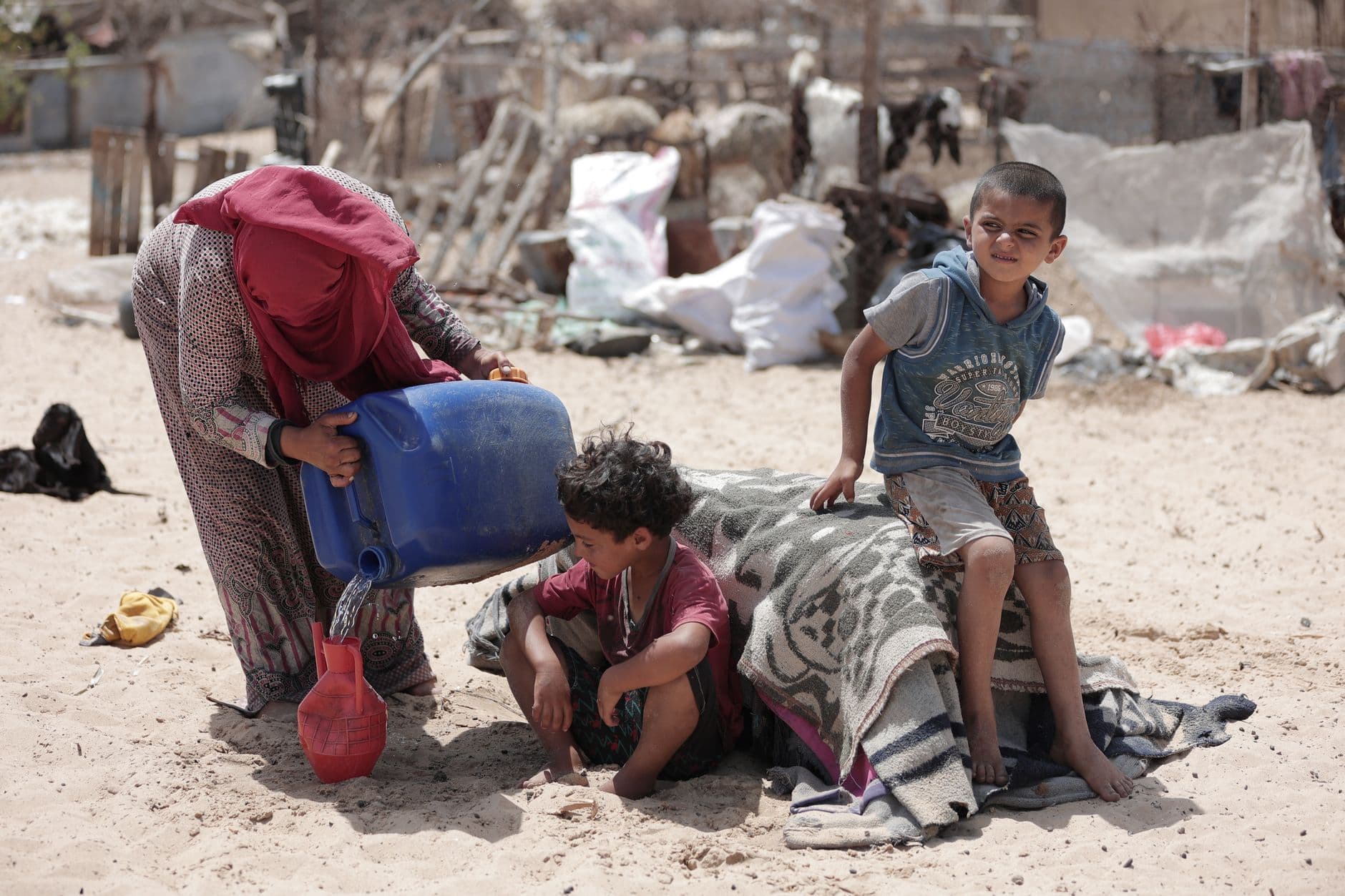
Photographs from the area show women like Niyaha al-Masri leaving their tents each morning for queues that can last six hours or longer. They return with containers holding rice, lentils, and a small portion of chicken, the only meal for a family of 10, with flour strictly rationed and no breakfast or dinner provided.
Similar scenes play out across the territory more than a year after the October 2025 ceasefire that was expected to ease access to food supplies.
Updated Food Security Data
United Nations data from October 2026 indicate that 1.4 million of Gaza’s approximately 2.1 million residents still suffer from acute food shortages at crisis levels or worse, with 200,000 people in emergency conditions just one step from famine.WFP
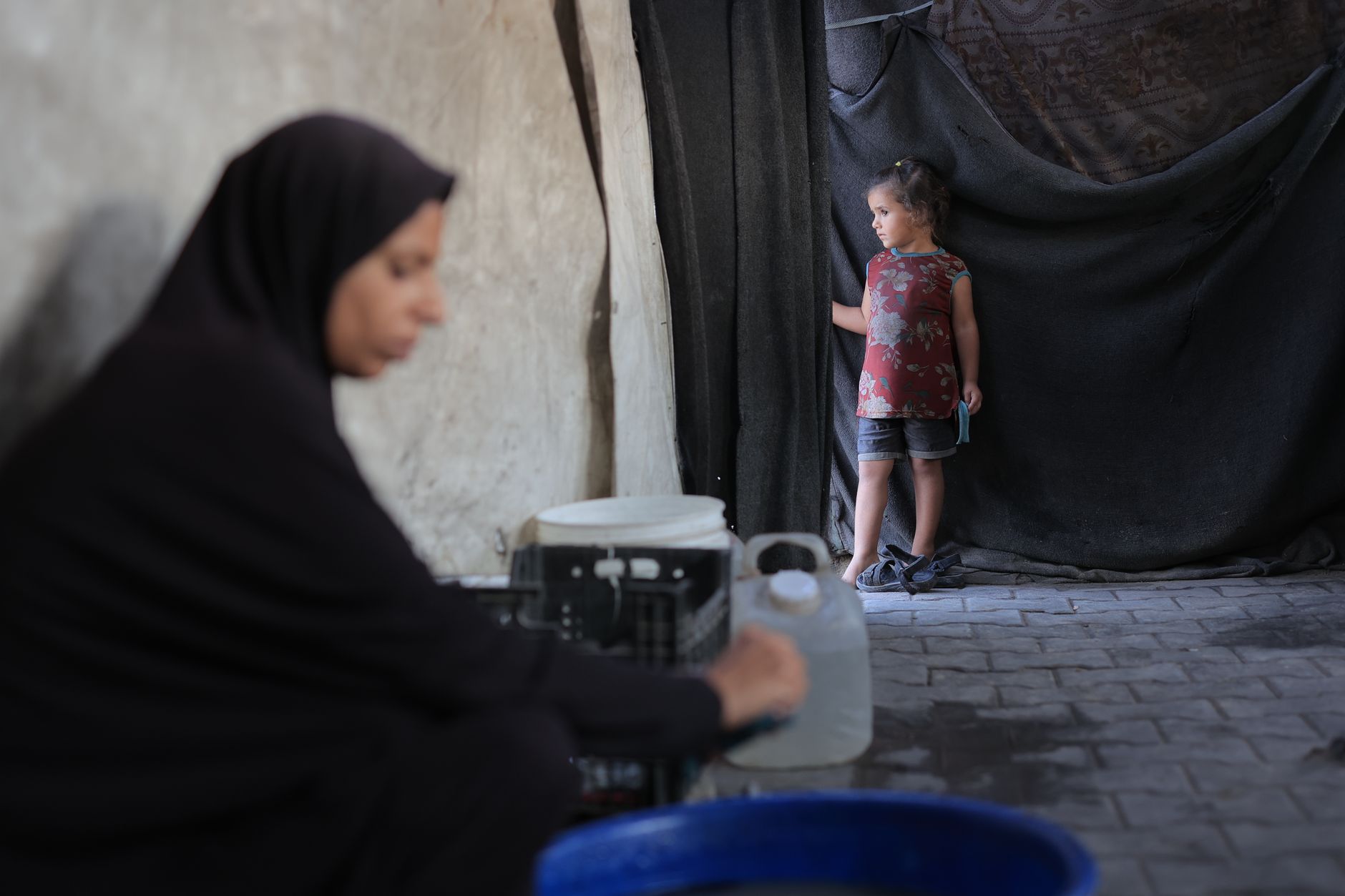
World Food Programme official Shaun Hughes described the situation as “still extremely serious,” noting insufficient nutritional variety even when some aid enters the territory.
Recent Aid Reductions
On October 19, 2026, the WFP announced it would reduce monthly food assistance from 1.6 million to 1.1 million people due to funding shortages, cutting rations in half and reducing daily hot meals from 250,000 to 150,000. Families in hard-to-reach areas now receive hot meals only every other day.
The agency urgently needs $450 million over the next six months to sustain operations. These cuts come as winter approaches and threaten modest gains made since the ceasefire.
Health Impacts on Women and Children
A recent Médecins du Monde study found that 93 percent of pregnant or breastfeeding women showed symptoms of anemia linked to malnutrition. Only limited data exists on dietary variety, but reports confirm widespread nutritional shortfalls.
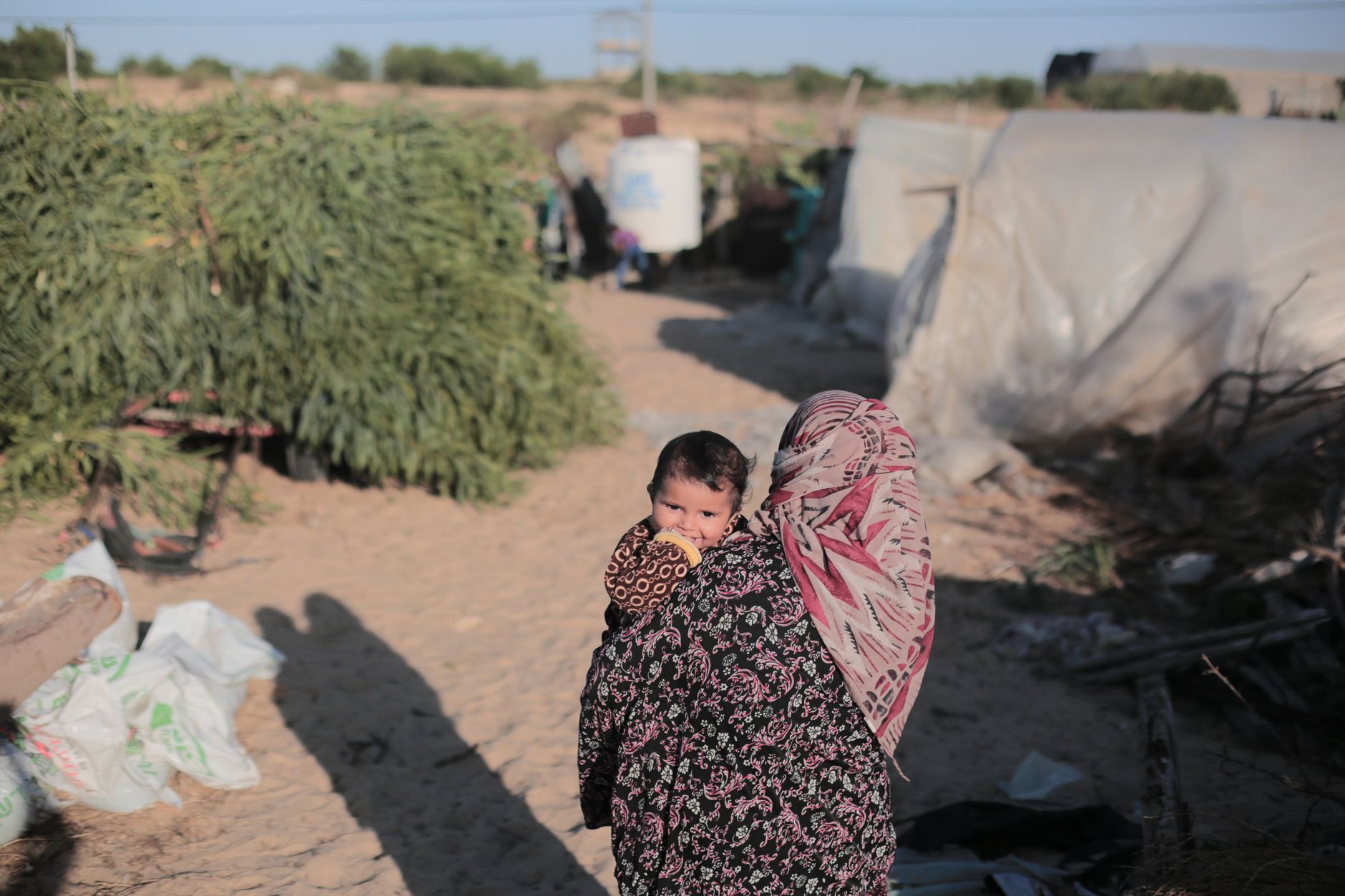
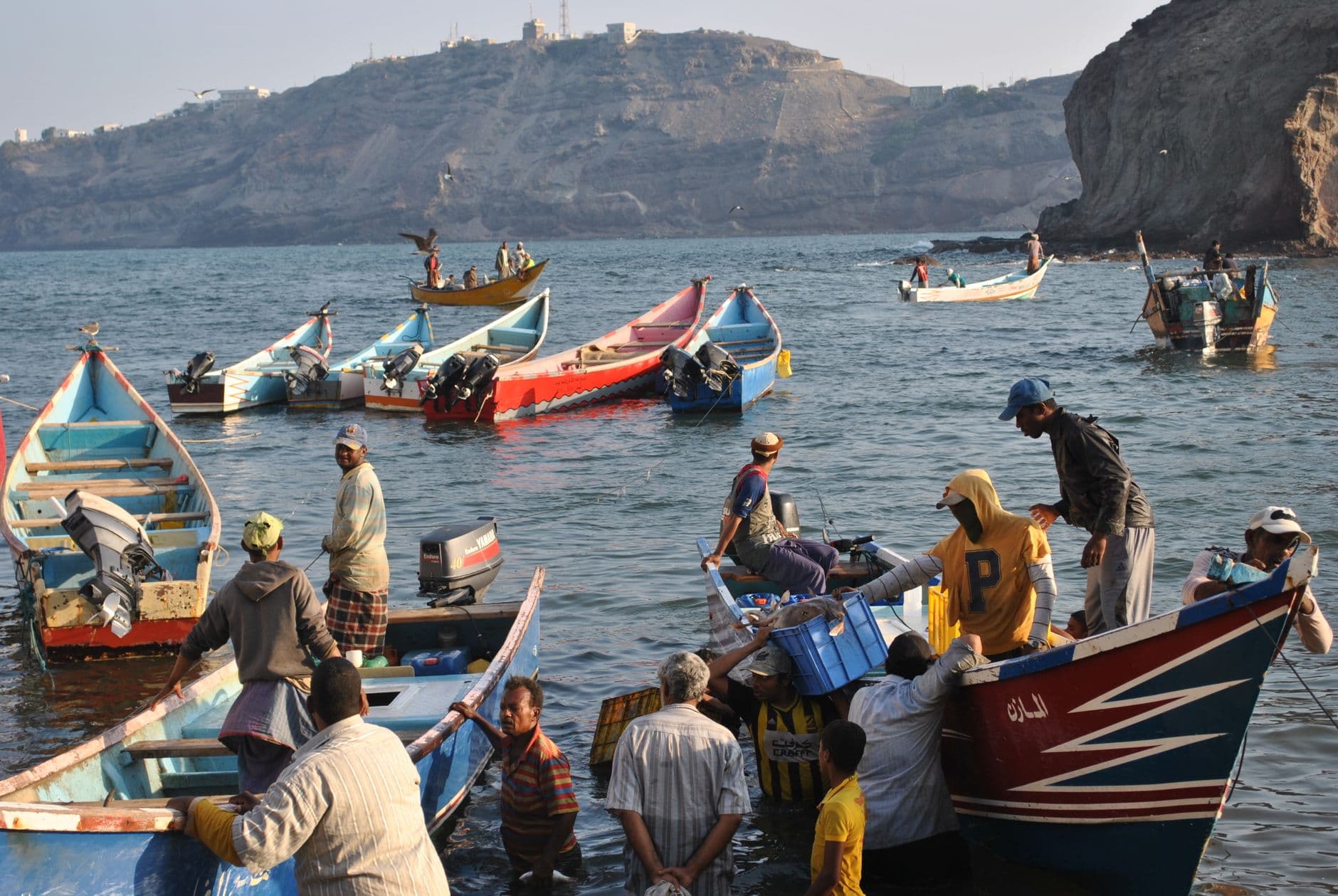
Similar patterns of food insecurity and rising prices appear in other conflict zones. Yemen’s Taiz under siege again as food and fuel prices rise offers a parallel look at how prolonged conflict disrupts daily access to meals.
Background and Broader Context
The October 2025 ceasefire allowed increased humanitarian and commercial goods into Gaza, easing conditions enough for the IPC to lift its earlier famine declaration. However, reconstruction remains slow, unemployment exceeds 80 percent in many areas, and prices for basic goods remain elevated.
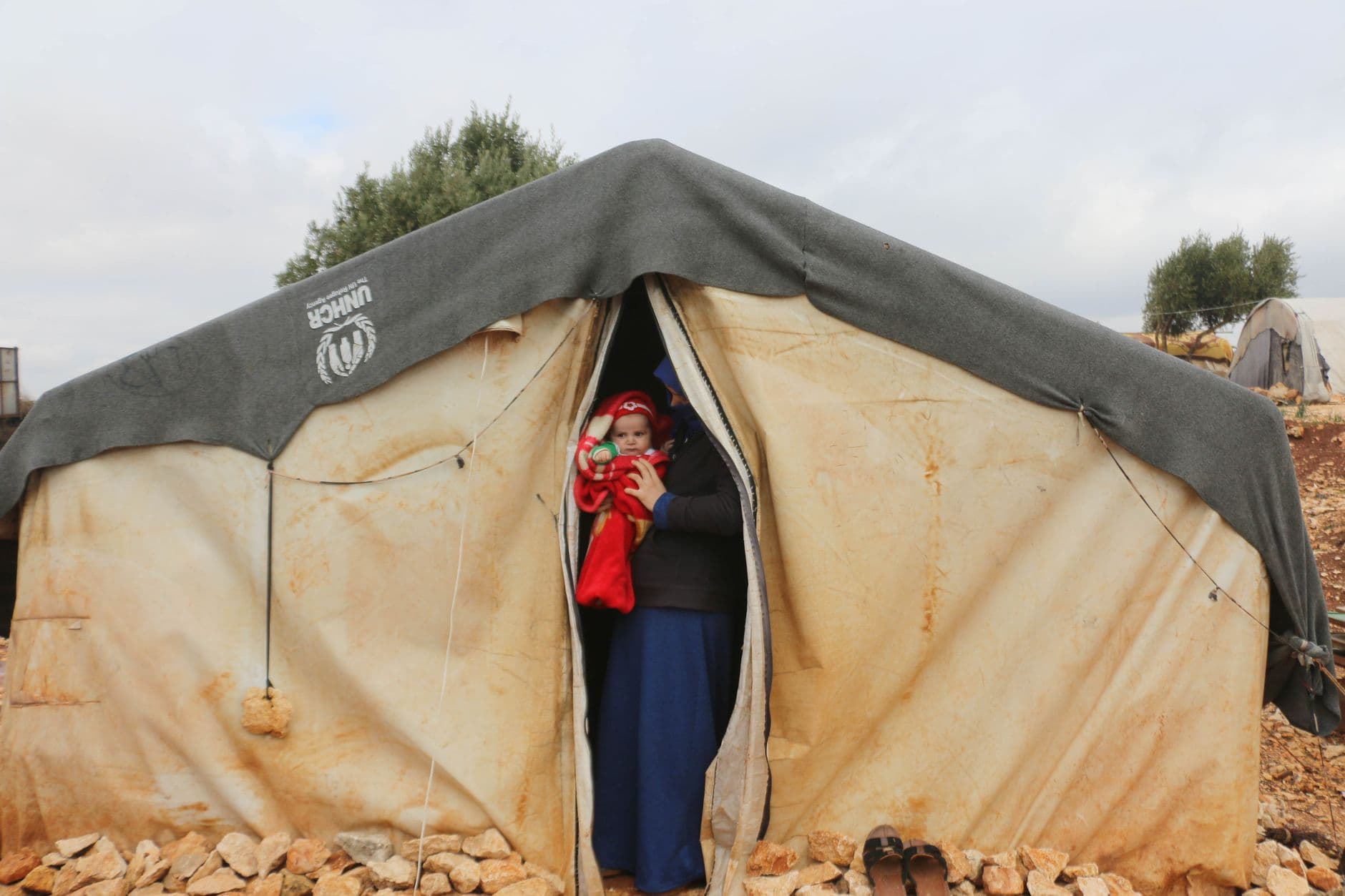
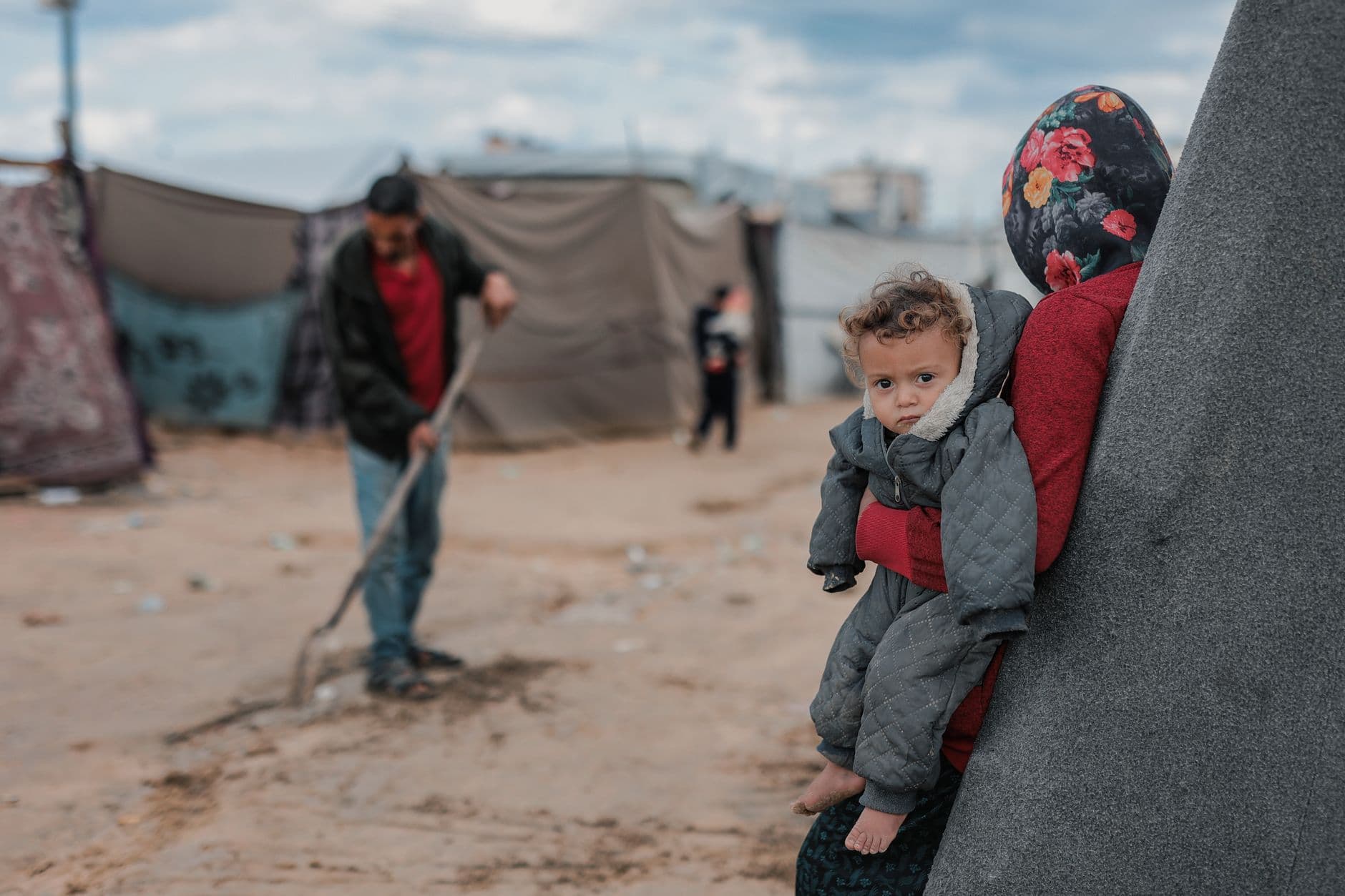
Displacement continues to affect hundreds of thousands living in tents or makeshift shelters with limited cooking facilities and clean water. Aid organizations report that even when calories are available, the lack of diverse nutrients drives anemia, growth issues in children, and complications for pregnant women.
Independent assessments from late 2026 show that while overall acute food insecurity numbers have held steady at 1.4 million, the quality of assistance has declined sharply with the latest WFP reductions. Local and international groups continue distributions in Khan Younis and elsewhere, yet demand far exceeds supply.
Health workers emphasize that the combination of caloric deficits and micronutrient gaps creates long-term risks, particularly for mothers and young children whose recovery depends on sustained, varied nutrition rather than sporadic hot meals.
Photographs of these daily lines serve as a reminder that, despite the ceasefire and incremental improvements, hunger remains a defining feature of life for a large share of Gaza’s population heading into another winter.