
Personal Hardships Mount for Displaced Families
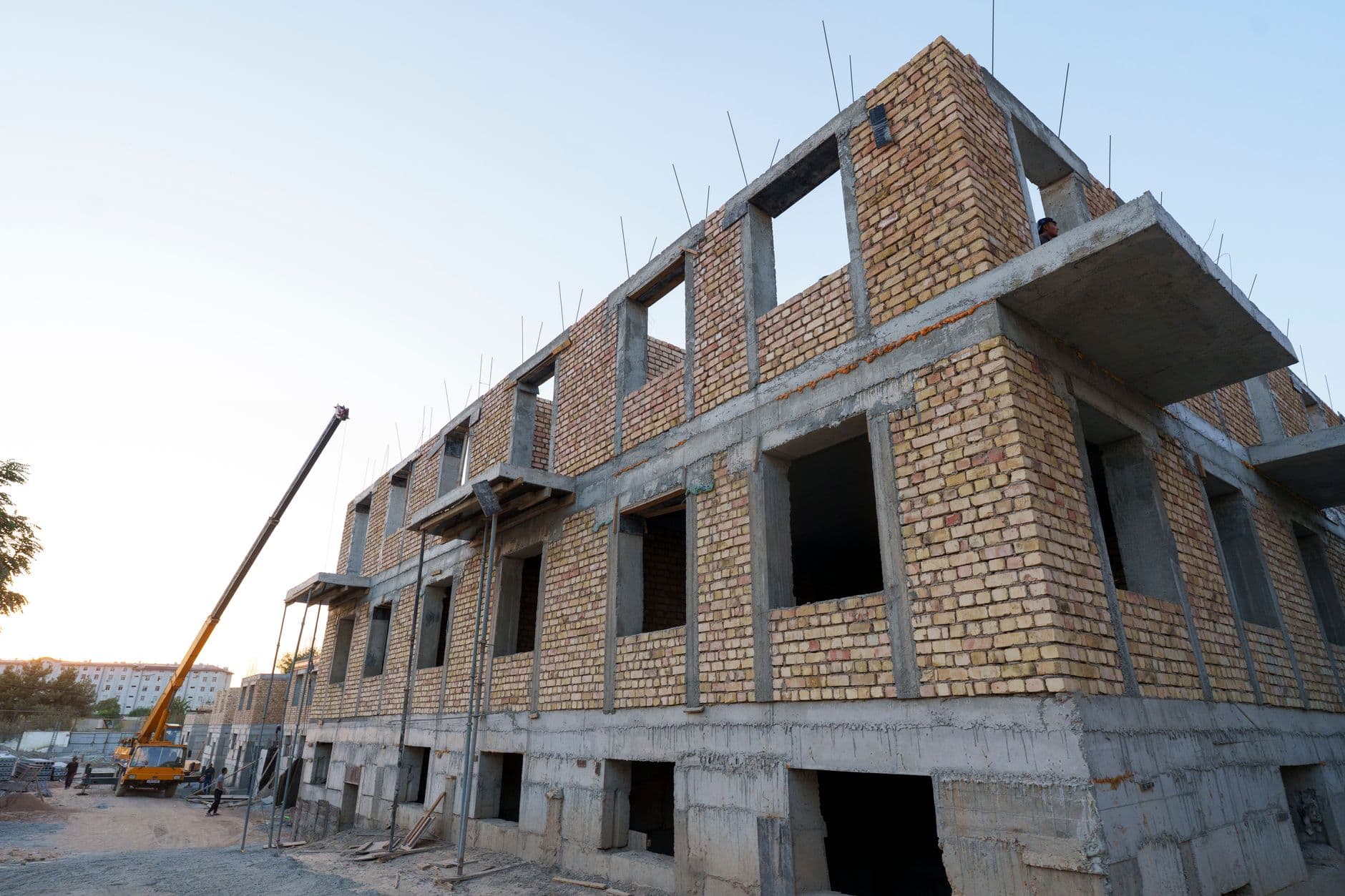
In the occupied West Bank town of Tulkarem, 75-year-old widow Fawza Awad lives in a portion of her daughter’s unfinished house alongside her son, his wife and their child. She has not received World Food Programme assistance for the past five months after being displaced from the Tulkarem refugee camp in January 2025 during an Israeli military operation that targeted northern camps and forced tens of thousands from their homes. Her former home was demolished and replaced by a road for military vehicles. One son remains detained, while others who once worked inside Israel are now unemployed. Awad requires monthly medication for asthma and high blood pressure costing at least 200 shekels, an expense she can no longer cover with the modest aid that previously helped feed her family.
Further details on these displacements and aid reductions appear in reporting from Al Jazeera.
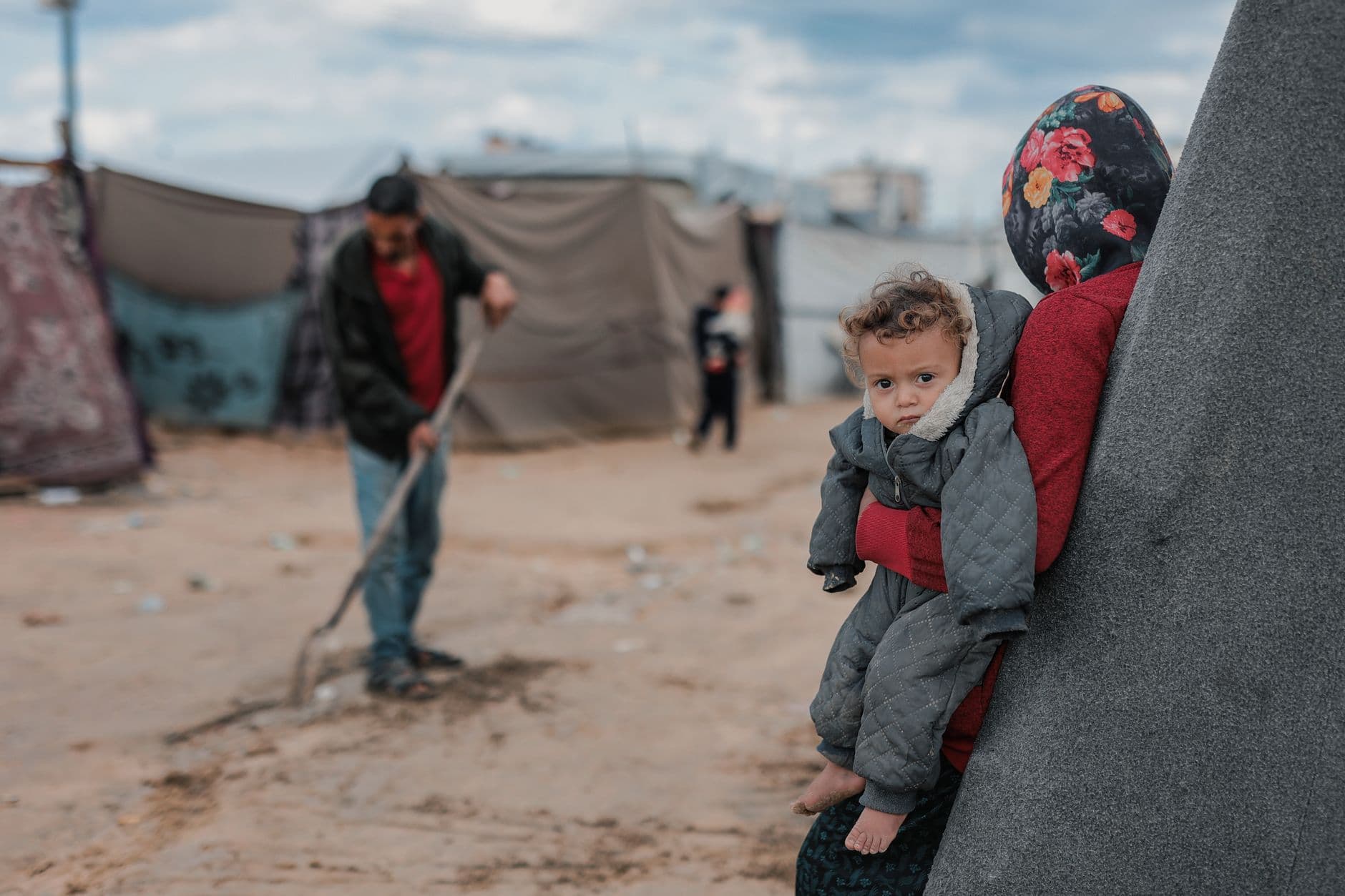
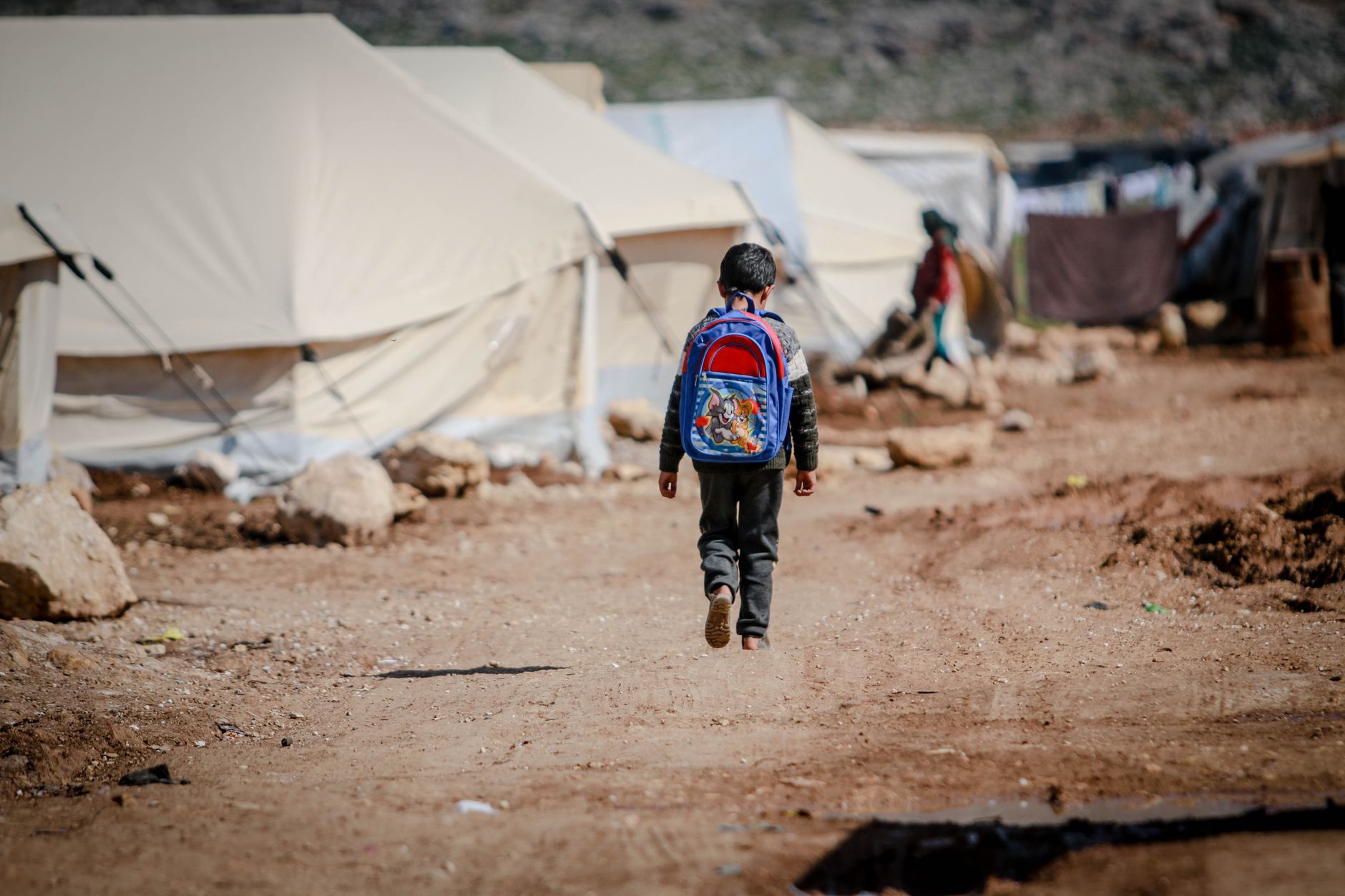
Nearby in the al-Muwahhad School building in Tulkarem’s Thannabeh suburb, more than 1,000 displaced Palestinians shelter in cramped rooms. Rabab Qasim, 47, her 72-year-old husband Talib Abu Sarriya and their three children occupy a 30-square-metre space with no income. They have received no aid for three months. Qasim suffers from a herniated disc requiring costly treatment and physical therapy she cannot access. Her husband recalls his former vegetable stall in the camp that once provided enough to get by. The family often goes without bread and sleeps hungry.
In the southern West Bank village of Khirbet al-Rakeez in Masafer Yatta, 61-year-old Said al-Amour lost his leg after being shot by a settler in April 2025 while defending against attacks on his community. He and his 14-person family have received no WFP aid for seven months. Monthly medical costs now exceed 1,200 shekels, and settlers continue to target his few olive trees. Al-Amour insists he will not abandon the land despite the personal toll.
Scale of the Cuts and Rising Needs
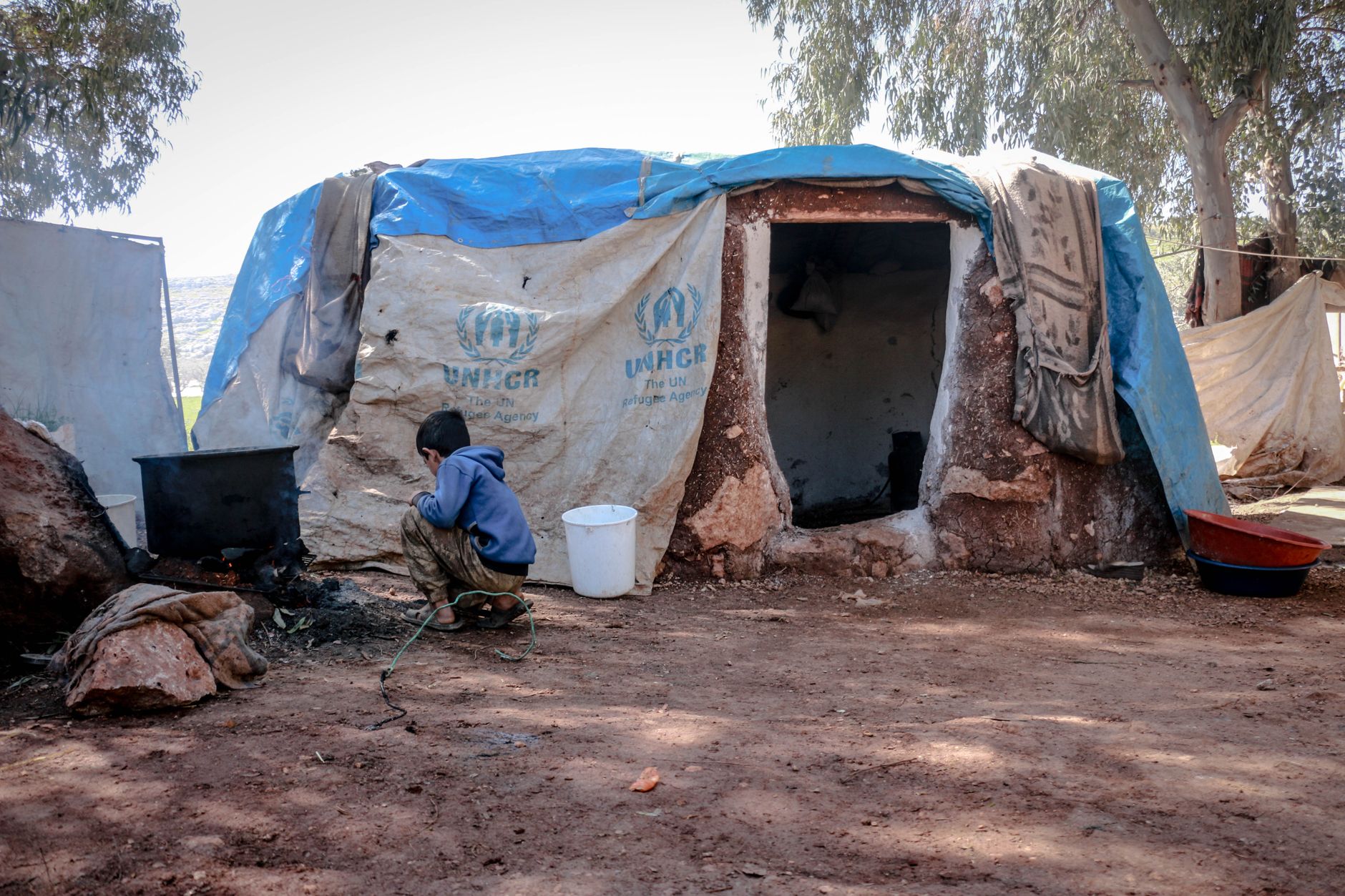
The World Food Programme announced in September 2026 that it would halve the number of food aid recipients in the occupied West Bank from 400,000 to 200,000 due to critical funding constraints from reduced international contributions. The agency continues to support the remaining 200,000 through cash transfers, vouchers, food supplies, livelihood programmes and nutritional services, but states it lacks resources for all who qualify. Some families stopped receiving aid even before the formal announcement.
Food insecurity has more than doubled since 2023, with approximately 900,000 people now affected across the West Bank. WFP’s latest quarterly analysis shows 76 percent of households experienced a significant income decline. Twelve percent have poor food consumption, and one-third cannot afford a nutritious diet. Rural areas and southern governorates face the greatest strain, compounded by high food and fuel prices that force families to sell assets and reduce meal quality and quantity.
These developments are documented on the WFP website and in coverage from Reuters.
Drivers of Displacement and Livelihood Collapse
Israeli military operations, including the “Iron Wall” campaign launched in January 2025, have driven large-scale displacement from refugee camps in Jenin, Tulkarem, Nur Shams and surrounding areas. Structures were damaged or destroyed, and many residents remain unable to return. Intensified settler violence, movement restrictions, demolitions and loss of access to agricultural land and livestock have eroded livelihoods. Unemployment has risen sharply, with many Palestinians previously employed in Israel or settlements now without work permits.
Economist and human rights activist Ubai Aboudi noted additional pressures from the Palestinian Authority’s financial crisis, including withheld customs revenues, and restrictions on NGOs that limit humanitarian delivery. Around half a million Palestinian families require food assistance, with the true figure potentially higher.
Broader Regional Context and Funding Challenges
The aid reductions coincide with fragile improvements in food security elsewhere in the occupied Palestinian territories following a ceasefire, yet donor fatigue has cut funding for WFP operations in the region to less than half of prior levels. The agency urgently seeks additional resources to sustain support. Similar economic contraction amid ongoing conflict has been noted in analyses of the wider Middle East and Central Asia, as covered in a related report on regional shrinkage here.
WFP representatives have emphasised that the cuts stem from resource limits rather than reduced eligibility, and some beneficiaries may be reinstated if funding improves. Without renewed support, experts warn of deepening instability as hunger spreads.
What Comes Next
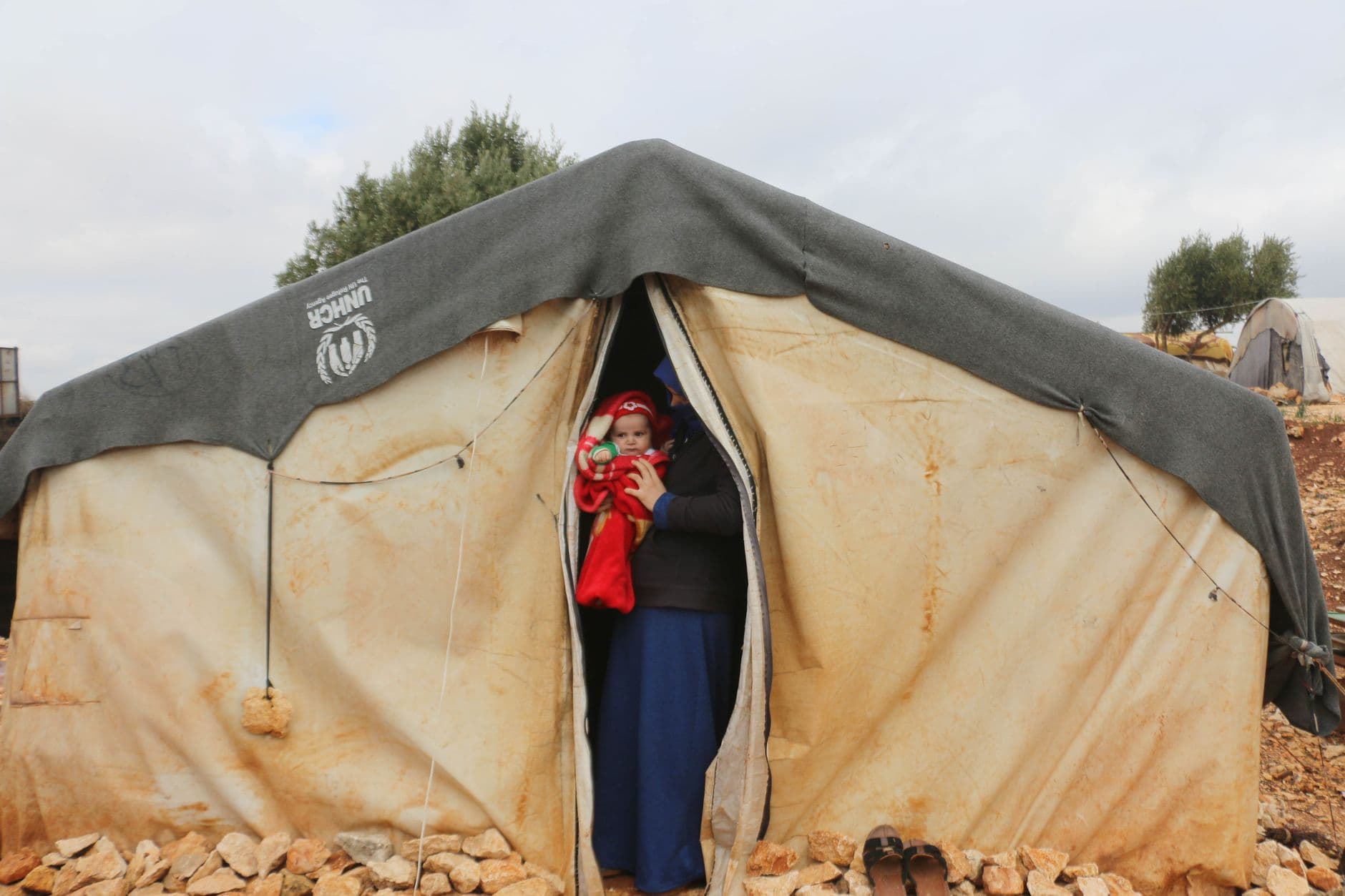
Winter approaches with many families already in makeshift shelters or damaged structures, facing higher medical and heating costs. Continued displacement and violence risk pushing more households into severe food insecurity. International calls for increased funding persist, alongside efforts to address root causes of livelihood loss. The situation underscores the interconnected impacts of conflict, displacement and humanitarian financing shortfalls on civilian populations across the West Bank.