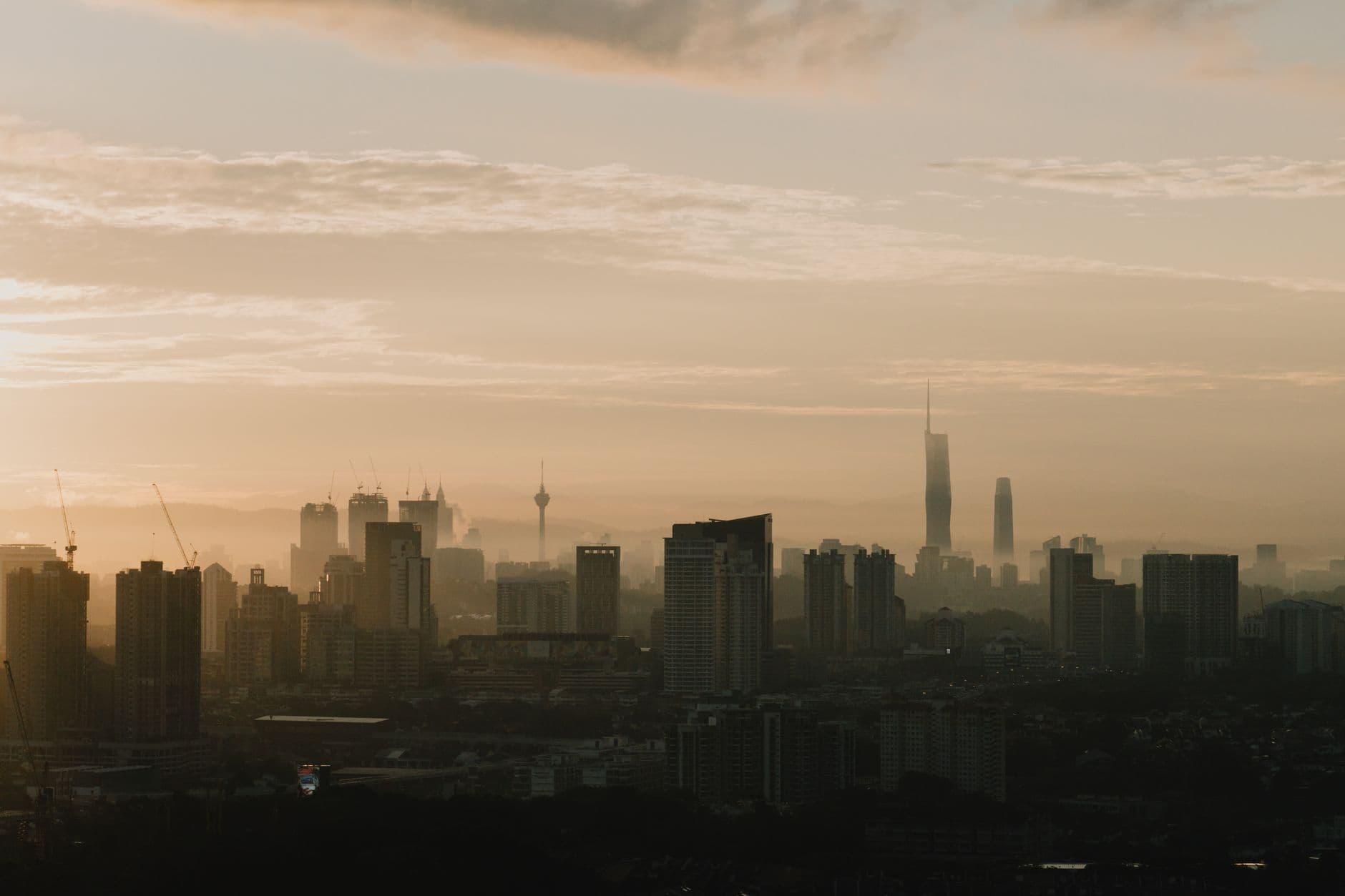

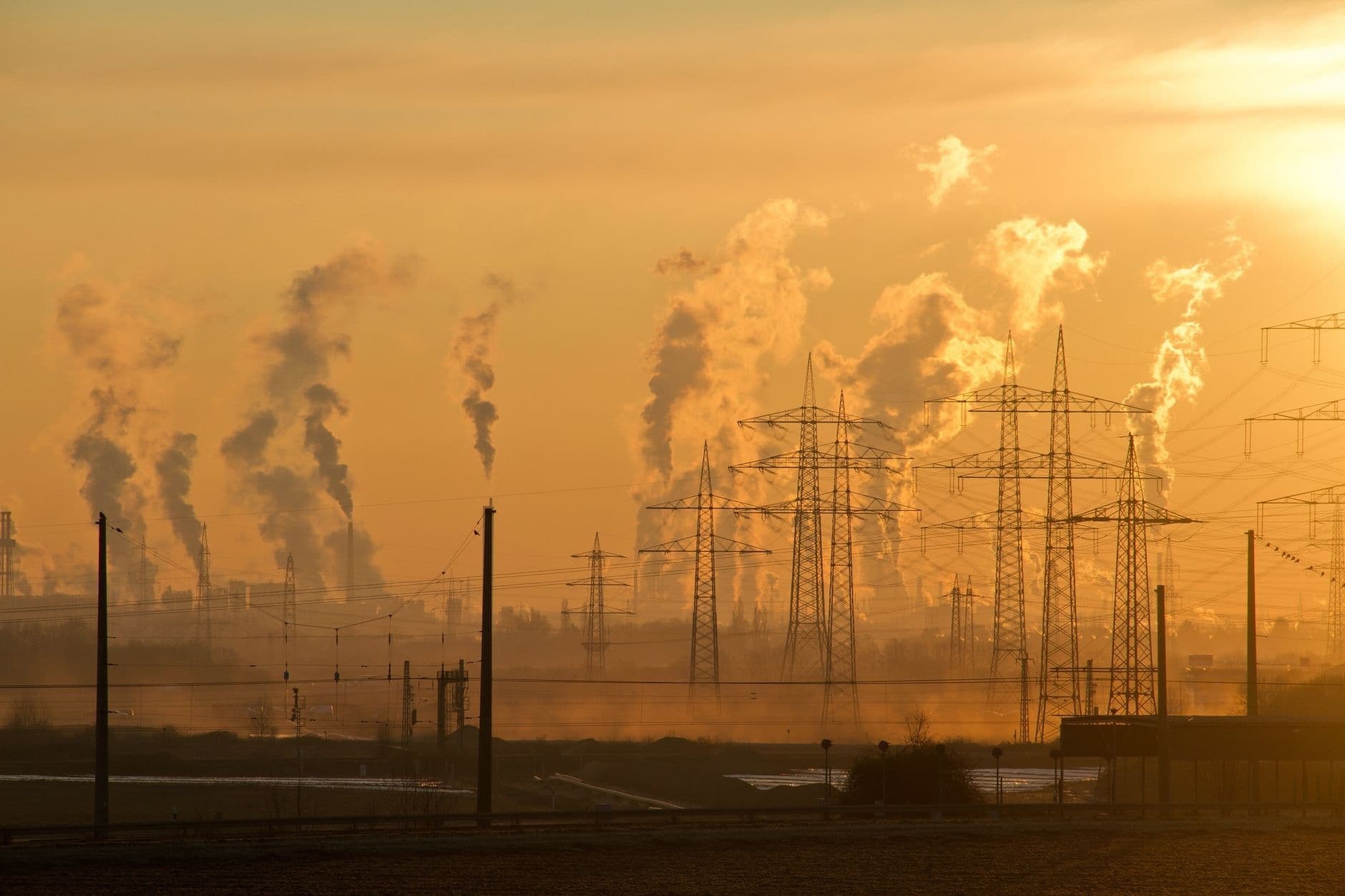
Toxic haze from Indonesia’s worst wildfires in a decade has prompted growing calls for legal accountability across Southeast Asia, with Singapore issuing enforcement notices to companies, class-action suits filed against the Indonesian government, and discussions underway about new national laws in neighboring countries.
Scale of the Current Crisis
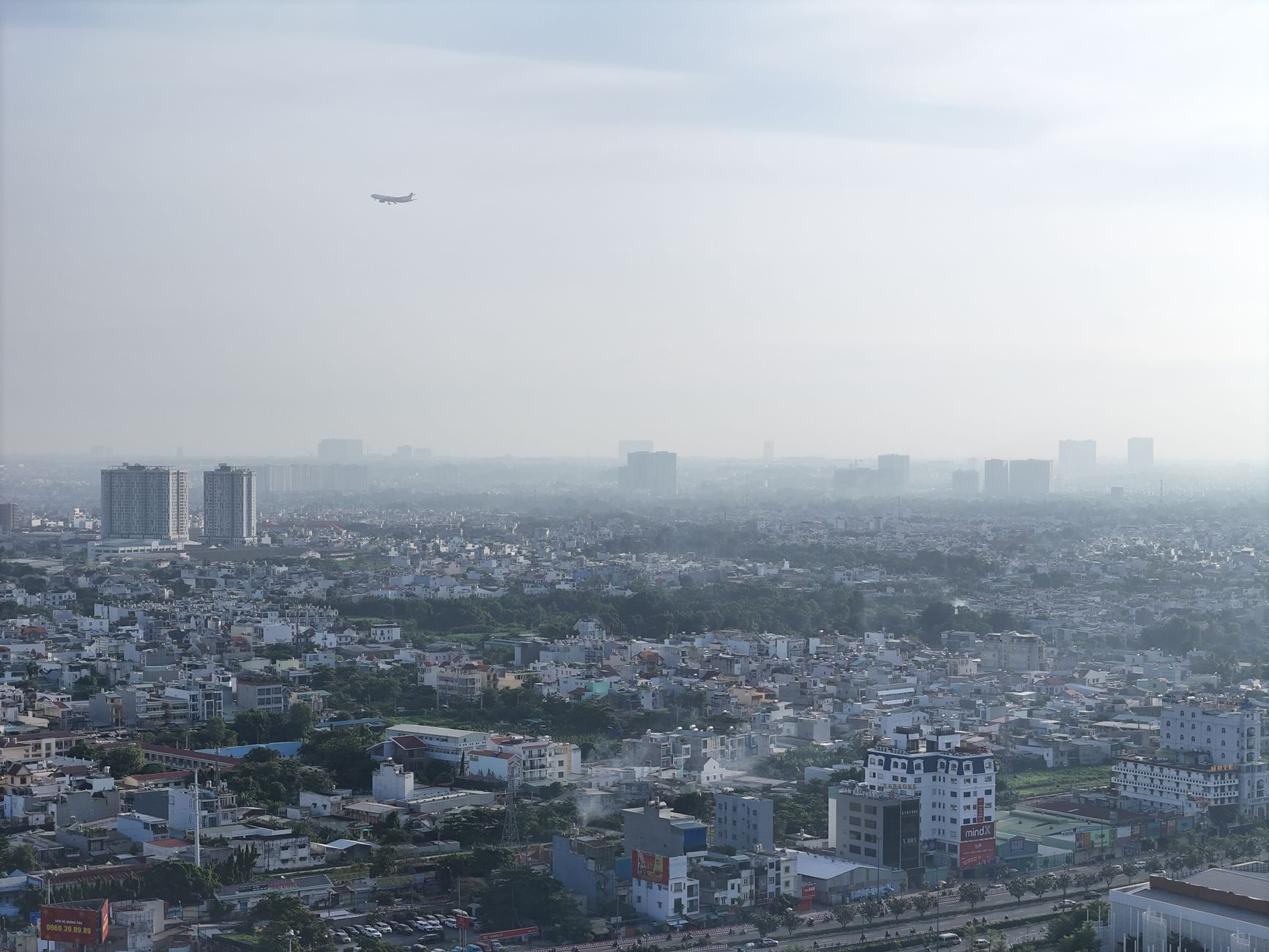
Since August, forest and peatland fires in Indonesia’s Sumatra and Kalimantan regions have burned hundreds of thousands of hectares, sending plumes of smoke to Malaysia, Singapore, Brunei, and even parts of the Philippines. The unusually intense El Niño weather pattern has worsened conditions, creating drier landscapes that allow fires lit for land clearing to spread rapidly. Indonesia’s Health Ministry reported 283,270 cases of respiratory illness linked to the fires in seven provinces as of October 13, more than double the figure from early September. Al Jazeera reported that air quality in parts of Borneo and Sumatra reached hazardous levels, forcing school closures and disrupting nearly 2,000 flights in Indonesia alone between August and mid-October.
Malaysia has also closed schools in affected states amid deteriorating air quality, a development covered in detail in this publication’s earlier reporting on the regional impact. The haze has strained healthcare systems and economies, with businesses reporting lost productivity and tourism suffering in affected areas.
Legal Tools Already in Place
Singapore’s 2014 Transboundary Haze Pollution Act allows authorities to prosecute companies for overseas burning activities, with daily fines up to 100,000 Singapore dollars and a maximum of 2 million Singapore dollars. The National Environment Agency has issued preventative notices to 10 Indonesia-based firms this season, ordering them to halt burning and submit fire-fighting plans. No prosecutions have occurred under the law to date, but Prime Minister Lawrence Wong stated the government is pursuing all available legal avenues and considering joint action with other countries. The Guardian noted that Singapore is investigating companies linked to the fires, including some with ties to Singapore and Malaysia-based businesses.
Indonesia itself has taken administrative sanctions against dozens of firms and initiated criminal proceedings against 125 individuals and corporations, according to reports from the period. Police have identified at least 223 suspects, including nine palm oil companies.
Class-Action Lawsuits Target Government and Companies
Inside Indonesia, indigenous and civil society groups in West Kalimantan have filed a class-action lawsuit accusing President Prabowo Subianto and other officials of gross negligence in managing the annual fires. The case, heard in Pontianak, seeks comprehensive recovery measures including healthcare cost coverage and a national disaster declaration. Plaintiffs include a local chapter of the Indigenous organization AMAN and a Catholic youth group. None of the defendants appeared at the initial hearing, leading to an adjournment. The Guardian covered the opening of the case, which highlights recurring failures to prevent slash-and-burn practices tied to palm oil expansion.
Similar efforts have faced setbacks. A 2025 lawsuit by South Sumatra residents against three pulpwood companies was dismissed by the Palembang District Court, with the matter now on appeal to the Supreme Court. Environmental groups argue that recent changes in Indonesian civil procedure could make it easier for foreign victims in Malaysia, Singapore, and the Philippines to seek compensation directly from companies in Indonesian courts by easing proof requirements for linking specific fires to harm.
Regional Diplomacy and Its Limits
The ASEAN Agreement on Transboundary Haze Pollution, signed in 2002, commits members to cooperation but lacks enforcement mechanisms or a dispute-settlement body. Experts note that the consensus-driven approach and Indonesia’s non-acceptance of International Court of Justice compulsory jurisdiction limit interstate legal options. Malaysia’s foreign minister has ruled out diplomatic notes or lawsuits against Indonesia for now, emphasizing bilateral talks and offered firefighting assistance instead. An Eco-Business opinion piece argued that Indonesia’s courts may offer the most direct path for victims seeking redress.
Malaysia is nevertheless studying dedicated legislation modeled partly on Singapore’s approach, while some lawmakers have called for stronger regional mechanisms, including a permanent ASEAN firefighting task force. ASEAN foreign ministers are scheduled to discuss the issue ahead of the November summit in Manila.
Root Causes and Economic Incentives
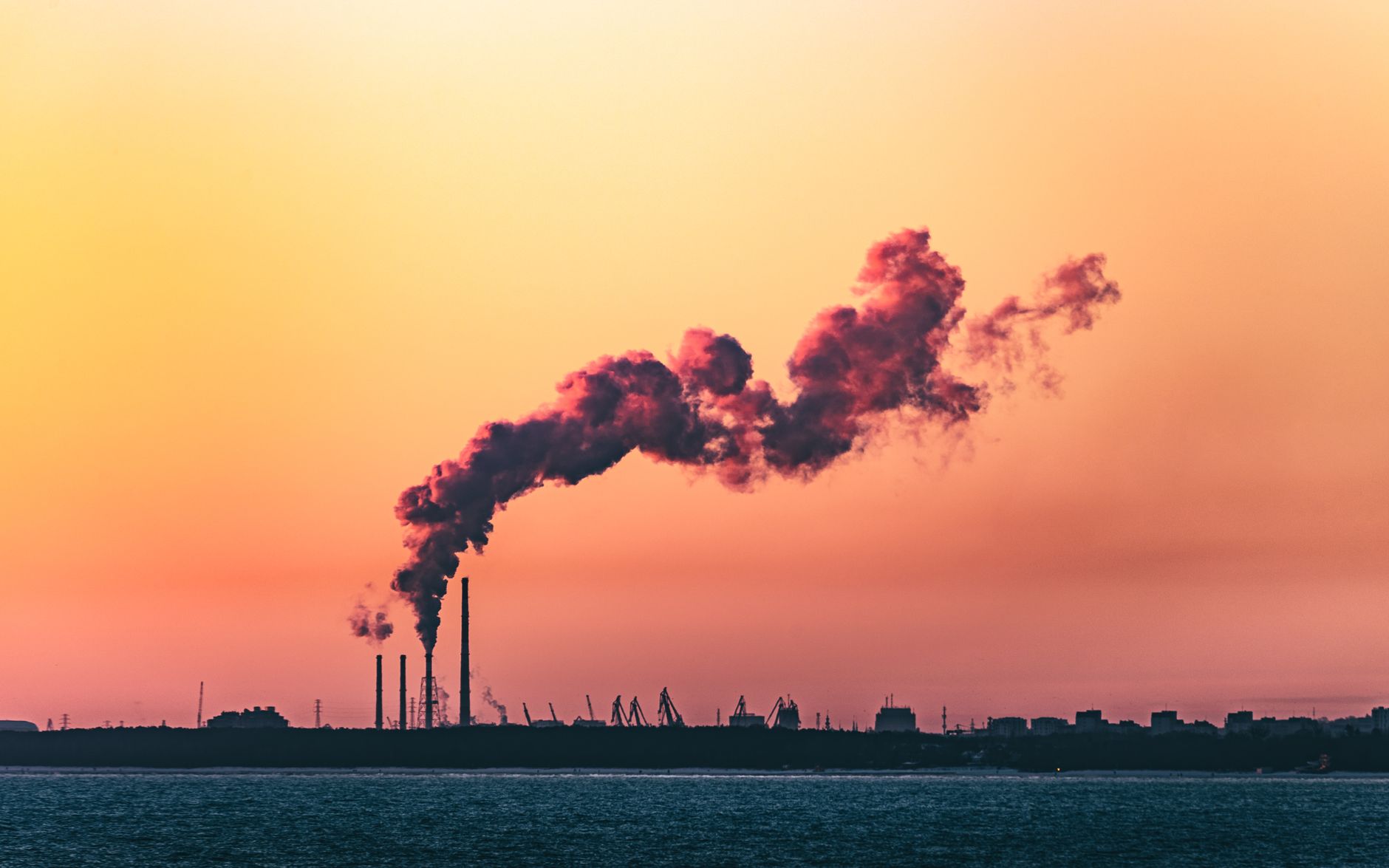
Fires are frequently used as a low-cost method to clear land for palm oil plantations, Indonesia’s dominant export commodity. Environmental organizations have mapped hotspots within company concessions, with groups like WALHI reporting that roughly half of recent high-confidence fire detections occurred inside such areas. Peatland drainage exacerbates the problem, allowing fires to smolder underground for extended periods. Past estimates placed economic losses from a single severe haze season in the tens of billions of dollars across the region, underscoring the scale of externalities borne by neighboring populations.
Governments have deployed thousands of personnel, aircraft for water bombing, and cloud-seeding operations, yet critics say enforcement remains inconsistent and rarely targets repeat corporate offenders. Calls for the polluter-pays principle to be applied more rigorously include demands for restoration orders and higher penalties for violations on peatlands.
What Comes Next
With the haze season ongoing and ASEAN meetings approaching, attention is turning to whether diplomatic pressure and domestic legal actions can shift incentives away from fire-based land clearing. Singapore’s notices and the Indonesian lawsuits represent the most concrete steps toward accountability in recent years, though outcomes remain uncertain. Affected communities continue to bear immediate health and economic costs while longer-term solutions, such as peatland restoration and corporate due diligence, are debated. The recurring nature of the crisis suggests that without stronger enforcement, similar episodes will return in future dry seasons.