
North Korean leader Kim Jong Un arrived in the Chinese border city of Dandong on Saturday via the newly opened New Yalu River Bridge, according to multiple South Korean government sources. The unannounced visit marks his first trip to China in more than a year and comes just nine days after the four-lane crossing officially opened to traffic.
Details of the Crossing and Meeting
Kim traveled from Pyongyang by train to the North Korean city of Sinuiju before crossing the 3-kilometer bridge over the Yalu River, also known as the Amnok River in Korea. South Korea’s Unification Ministry and other officials confirmed the arrival, with reports indicating that Chinese Premier Li Qiang greeted Kim in Dandong. The visit appears likely to be brief, with sources noting a major anniversary commemoration scheduled for the following day.
The timing aligns with the Oct. 25 anniversary of China’s entry into the 1950-53 Korean War, when Chinese troops came to North Korea’s aid. Both countries have long observed the date as a symbol of their alliance.
The Bridge’s Long Road to Opening
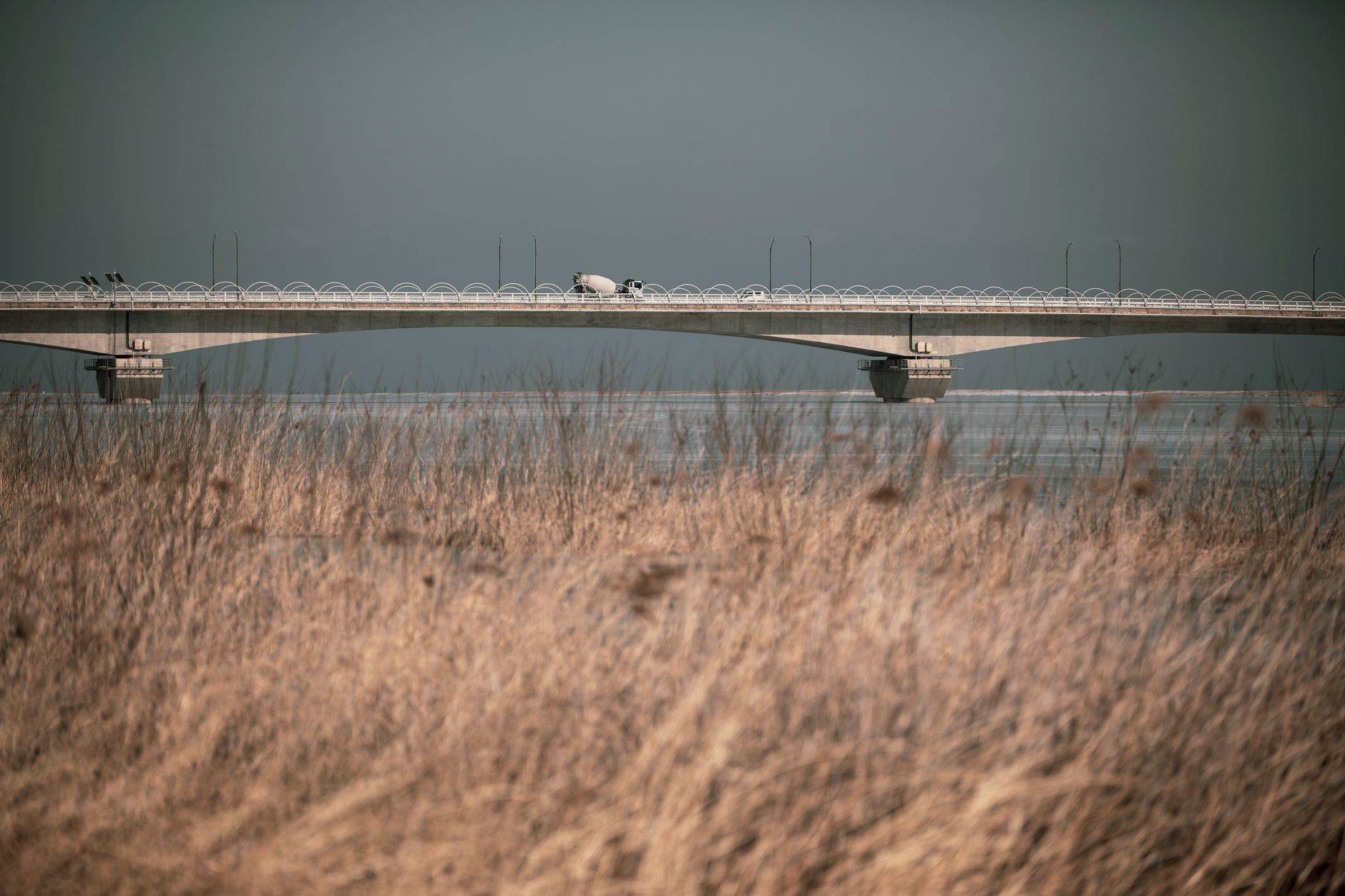
The New Yalu River Bridge connects Dandong in China’s Liaoning province with Sinuiju in North Pyongan province. Construction finished in 2014 after an agreement signed in 2010, yet the crossing remained unused for more than a decade because North Korea had not completed connecting roads, customs facilities, and other infrastructure on its side. The bridge officially opened on Oct. 15 following an inauguration ceremony that featured video addresses from Chinese Premier Li Qiang and North Korean Premier Pak Thae-song.
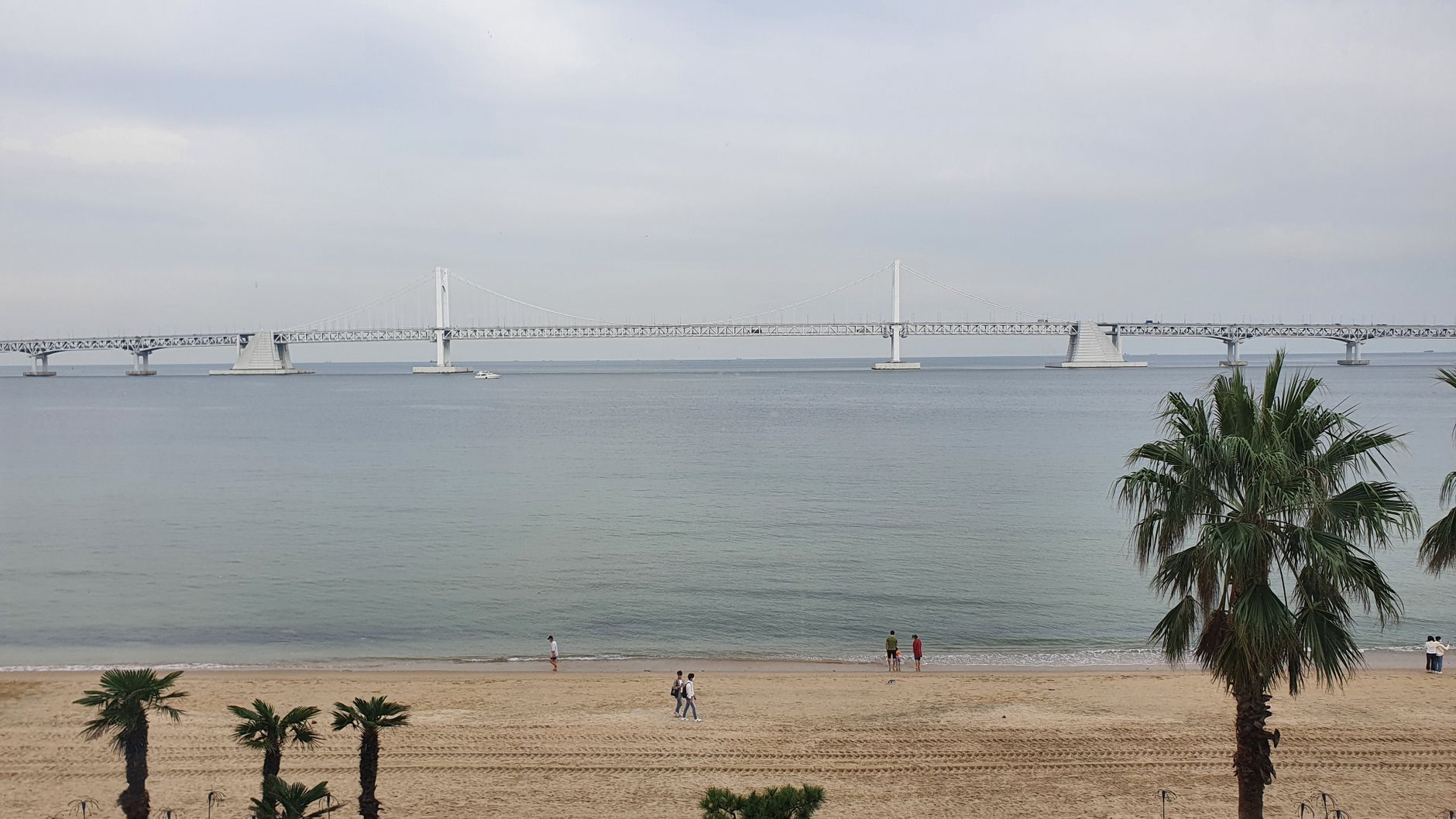
At four lanes wide and approximately 3,026 meters long, the structure offers significantly higher capacity than the older Sino-Korean Friendship Bridge, which dates to the 1930s and handles traffic in only one direction at a time. Chinese state media described the new bridge as a key project to promote economic and trade cooperation as well as people-to-people exchanges.
Broader Context of Bilateral Relations
China remains North Korea’s largest trading partner and primary source of economic and diplomatic support despite international sanctions over Pyongyang’s nuclear program. The bridge opening follows a period of warming ties that included the reopening of a railway link earlier in 2026 and a June summit in Pyongyang between Chinese President Xi Jinping and Kim Jong Un. That meeting elevated bilateral relations to a strategic level and emphasized expanded cooperation in trade, agriculture, construction, and technology.
Kim’s last visit to China occurred in September 2025, when he attended a military parade in Beijing marking the 80th anniversary of the end of World War II. Saturday’s crossing represents his sixth trip to China since taking power in 2011. Observers note that each previous visit included a meeting with Xi Jinping, raising speculation about whether another summit could occur during the current trip or shortly afterward.
Economic and Strategic Implications
Analysts view the bridge as a practical step toward increasing bilateral trade volumes, which have already shown recovery. Chinese exports to North Korea rose 25 percent to $2.3 billion last year, according to reports. The new crossing is expected to ease logistics for heavy equipment, raw materials, and energy products that North Korea needs for development projects.
The opening also reflects Pyongyang’s efforts to balance its growing military and economic cooperation with Russia against the need to maintain strong ties with Beijing. North Korea recently opened a smaller road bridge with Russia, and the consecutive infrastructure projects underscore Pyongyang’s prioritization of its two major allies. For China, the bridge helps preserve economic influence over North Korea at a time when sanctions and pandemic disruptions had strained cross-border activity.
Traffic restrictions reported in parts of Dandong earlier on Saturday, including limits on vehicle movement and hotel bookings, had fueled speculation about a high-level North Korean visit before official confirmation emerged. Japanese media outlet Kyodo News cited diplomatic sources for those initial reports.
What Happens Next
Attention now turns to whether Kim will proceed to Beijing for talks with Xi or participate in commemorative events tied to the Korean War anniversary. South Korean officials have described the current visit as potentially very short, given the schedule on Oct. 25. Any expansion of economic cooperation signaled by the bridge crossing will be closely watched for concrete follow-through on agreements reached during the June summit.
The visit occurs amid persistent regional tensions, including recent inter-Korean incidents and renewed international interest in diplomacy on the Korean Peninsula. It also comes as China prepares to host the Asia-Pacific Economic Cooperation forum next month, with U.S. President Donald Trump expected to attend.
Independent reporting from outlets including Reuters, Yonhap News Agency, and The Korea Herald has consistently described the same sequence of events based on South Korean government sources, lending corroboration to the core facts of the crossing and the bridge’s recent opening.