
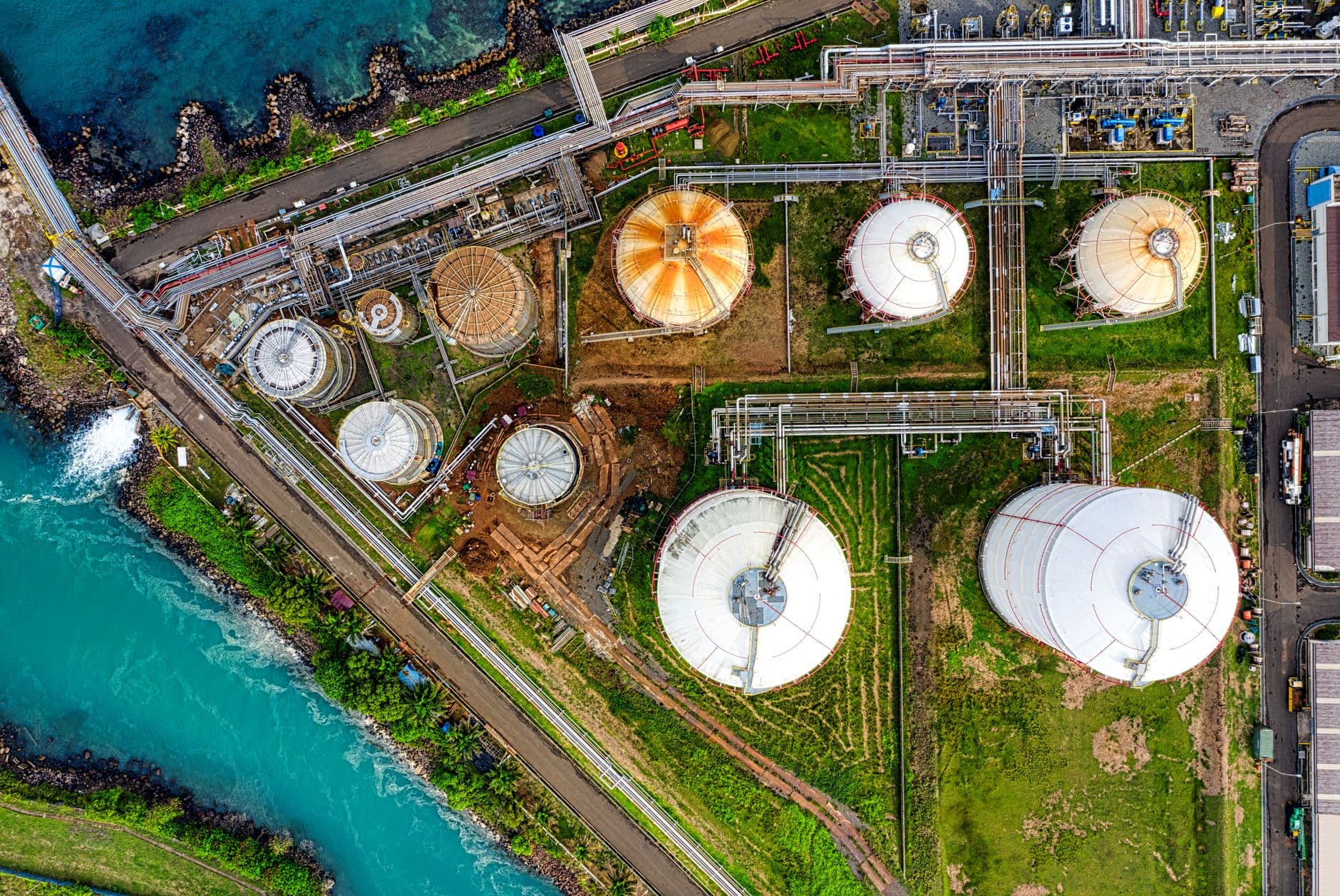
Global proven oil reserves stand at approximately 1.5 trillion barrels, according to the latest OPEC data compiled by independent trackers, sufficient to cover decades of current consumption at around 102 million barrels per day. Yet the immediate picture for withstanding a renewed escalation in US-Iran hostilities looks more constrained, as commercial stockpiles have drawn down sharply and strategic reserves in key consuming nations sit at multi-year lows.
Scale of Proven Reserves and Production Realities
Venezuela leads with an estimated 303.7 billion barrels, followed by Saudi Arabia at 267.2 billion and Iran at 208.6 billion barrels. These figures represent resources recoverable with current technology under prevailing economic conditions. The United States ranks ninth globally despite leading in actual output, holding 41.9 billion barrels. Total world reserves equate to roughly 42 years of supply at September 2026 consumption rates.
Reserves alone do not equate to immediate supply. Developing new fields or ramping up output from existing ones requires months or years, capital investment, and infrastructure. Iran’s production has already fallen under blockade conditions, with exports through the Strait of Hormuz dropping to zero in recent weeks from pre-conflict levels near 2 million barrels per day. Independent analysts tracking tanker movements report loadings averaging just 567,000 barrels per day in mid-periods before full cutoff.
Strategic and Commercial Inventories Under Pressure
Strategic petroleum reserves provide the first line of defense against short-term disruptions. China holds the largest estimated stockpile at about 1,492 million barrels, combining government and state-directed commercial holdings. Japan follows with 380 million barrels, while the US Strategic Petroleum Reserve stands at 282.7 million barrels as of mid-October 2026, its lowest level since 1982 after releases earlier in the year. Combined tracked strategic stocks across major nations total around 2.78 billion barrels.
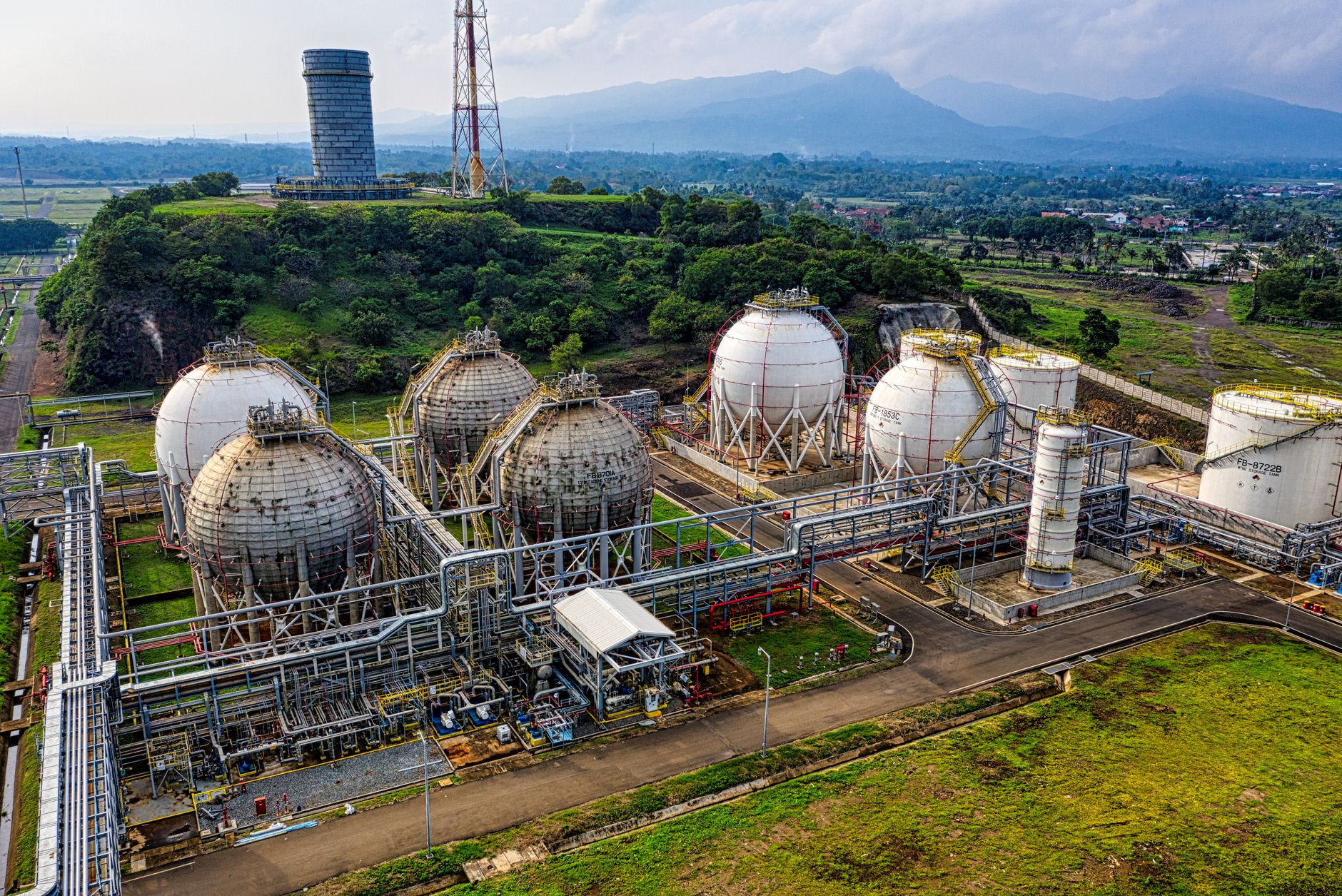
Commercial inventories tell a tighter story. Aramco chief executive Amin Nasser warned in early October that global commercial stocks have fallen below 6 billion barrels, with only 10 percent or less readily available as a market buffer. The International Energy Agency recorded a 507 million barrel draw between February and August 2026 alone. Further coordinated releases of 100 million barrels by G7 nations aim to ease diesel price spikes that have exceeded $200 per barrel in some markets.
These levels leave limited headroom if Iranian supply remains offline for an extended period.
OPEC Spare Capacity and Alternative Sources
OPEC+ maintains some spare production capacity, estimated by the IEA at around 5.3 million barrels per day, with Saudi Arabia accounting for roughly 3.1 million barrels per day. The UAE, Iraq, and Kuwait hold additional idle volumes. This buffer has helped offset earlier disruptions, yet sustained high output from non-OPEC sources like the US, Brazil, and Guyana has prompted OPEC+ cuts totaling nearly 6 million barrels per day since 2022.
US shale production offers flexibility but faces its own constraints, including drilling rig counts and well decline rates. Russia and other producers have limited additional capacity outside coordinated quotas. Historical precedents, such as the 1973 embargo or 1990 Gulf crisis, show that even brief outages can drive sharp price spikes and demand adjustments.
Broader Economic and Geopolitical Context
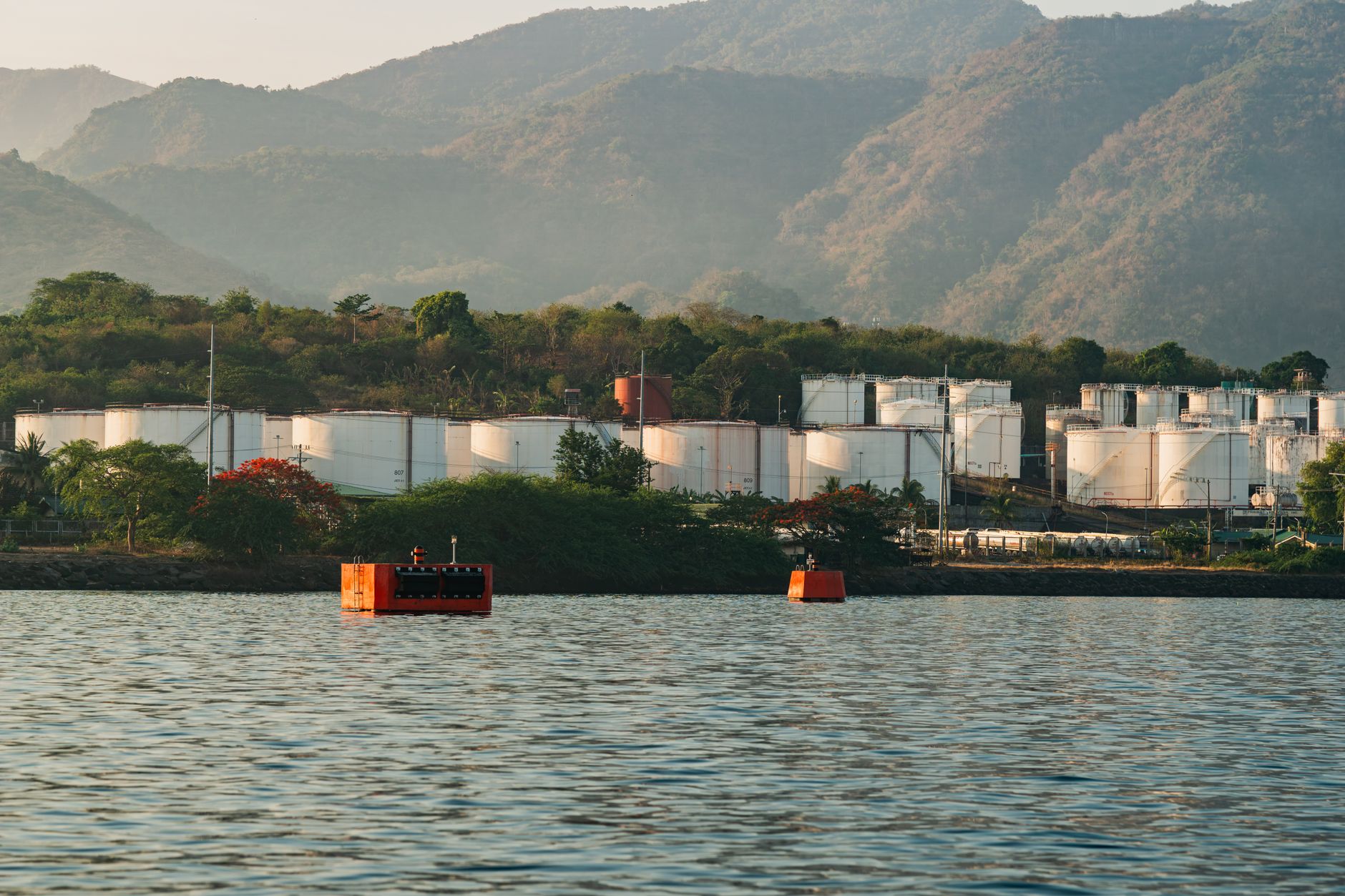
A full cutoff of Iranian exports would remove roughly 1.8 million barrels per day from global markets, compounding existing outages that have already pushed total disruptions above 13 million barrels per day in some assessments. The Strait of Hormuz remains a critical chokepoint, with recent attacks eroding shipper confidence and elevating insurance and freight costs.
Consumers worldwide feel the effects through higher fuel and transport prices. Europe and Asia, heavily reliant on imports, hold varying days of cover through mandated stocks. Developing economies face amplified inflation risks. Similar dynamics appear in other protracted conflicts, where sustained pressure on adversaries, as highlighted in coverage of Ukraine’s calls for continued measures against Russia, underscores the limits of economic leverage alone.
Longer term, the episode accelerates interest in diversification. Refining capacity shortages have emerged as a separate vulnerability, with product inventories tight even as some crude flows recover. Aramco executives note that replenishing usable stocks could take up to two years under current conditions.
Outlook and Uncertainties
While underground reserves provide a substantial long-term cushion, the combination of depleted buffers, concentrated spare capacity in a few Gulf producers, and ongoing geopolitical friction around the Strait suggests markets would face significant strain from renewed full-scale confrontation. Price signals would likely drive demand destruction and accelerate shifts toward alternatives, but near-term stability hinges on diplomatic off-ramps and rapid deployment of available capacity.
Analysts continue to monitor tanker data and official production reports for signs of further shifts. The situation remains fluid eight months into the broader regional conflict that began earlier this year.