
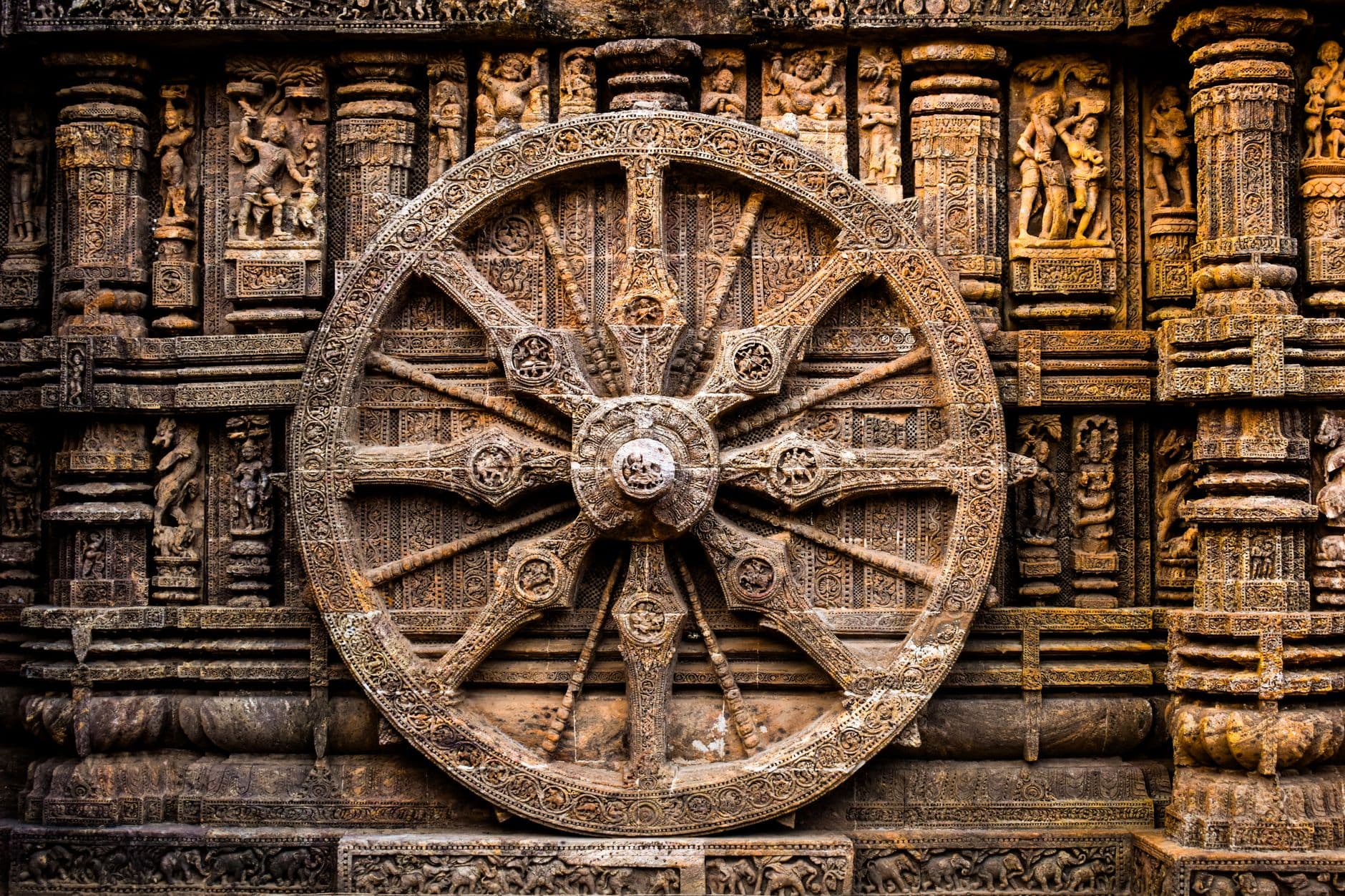
Yes, ancient India operated as one of history’s most consequential yet underrecognized superpowers, exerting outsized influence through economic scale, intellectual output and cultural diffusion rather than sustained territorial conquest alone. From roughly the third century BCE to the twelfth century CE, the subcontinent generated ideas and goods that reached Rome, Southeast Asia, China and the Islamic world, often via monsoon-driven sea routes that carried far more volume than the overland Silk Road.
Economic centrality and maritime reach
By the start of the common era, the Indian subcontinent accounted for between a fourth and a third of global wealth, a position it held for roughly 1,500 years according to economic historian Angus Maddison’s estimates cited across multiple analyses. The Diplomat has detailed how this wealth stemmed from advanced agriculture, textile production, metallurgy and a strategic position astride land and sea routes linking West Asia with East and Southeast Asia. Rome’s trade deficit with India was notorious; Pliny the Elder complained of gold flowing eastward for Indian pepper, textiles and gems. The Indian Ocean network, powered by predictable monsoons, dwarfed overland alternatives in both scale and regularity.
Ports such as those in Gujarat and the Tamil south facilitated exchanges that brought Indian cotton, spices and steel westward while importing Roman wine, glass and gold. This was no peripheral supplier role. Indian merchants and sailors actively shaped the system, creating what historian William Dalrymple terms an “Indosphere” of soft-power projection.
Intellectual exports that reshaped mathematics and science
Indian mathematicians developed the decimal place-value system and the conceptual treatment of zero as a number with its own rules. Aryabhata, writing in 499 CE, refined pi to 3.1416, described Earth’s axial rotation and provided accurate eclipse explanations. Brahmagupta, in 628 CE, formalized zero’s arithmetic properties in the Brahmasphutasiddhanta. These concepts traveled through Abbasid Baghdad, where scholars translated Indian texts, and reached Renaissance Europe via Fibonacci and others, underpinning modern accounting, computing and science. CEOWORLD Magazine recently traced this transmission chain, noting that the numerals Europeans call “Arabic” were known to Arab scholars as Indian in origin.
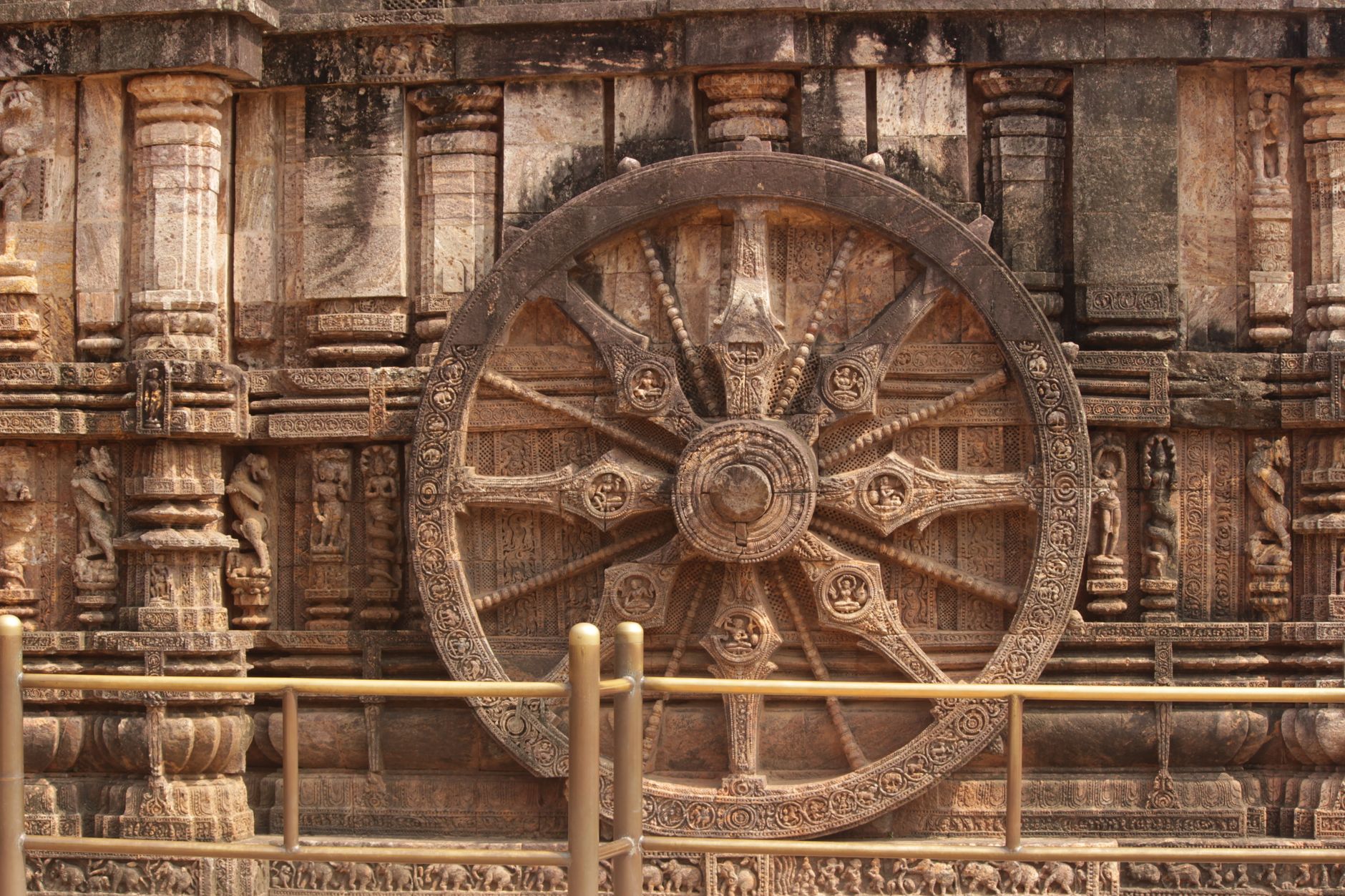
Metallurgy offers another concrete example. The roughly seven-meter Iron Pillar of Delhi, associated with the Gupta period, has resisted corrosion for over 1,600 years due to its phosphorus-rich composition and protective surface layer. South Indian wootz steel, produced via crucible techniques from at least the mid-first millennium BCE, supplied the raw material for Damascus blades prized across the medieval world. These were not isolated curiosities but part of systematic knowledge traditions preserved in texts and workshops.
Cultural and religious diffusion across Asia
Buddhism, Hinduism and Sanskrit learning spread widely through the Indosphere. Dalrymple’s recent Al Jazeera podcast episode highlights how Indian religious, artistic and literary traditions reached Southeast Asia, Central Asia and China on a scale that rivaled or exceeded the Sinosphere’s contemporary influence. Nalanda and other monastic universities attracted scholars from distant regions. The Chola dynasty’s naval expeditions to Southeast Asia in the eleventh century demonstrated that Indian polities could project power overseas when circumstances allowed, even if such campaigns prioritized tribute and prestige over permanent colonies.
Unlike the more centralized Roman or Han Chinese models, Indian political organization was often decentralized, with regional powers, guilds and local authorities managing affairs under loose imperial umbrellas such as the Mauryas or Guptas. This structure enabled resilience and cultural pluralism but complicated the narrative of a singular “Indian empire” that Western historiography favored.
Why the story faded from view
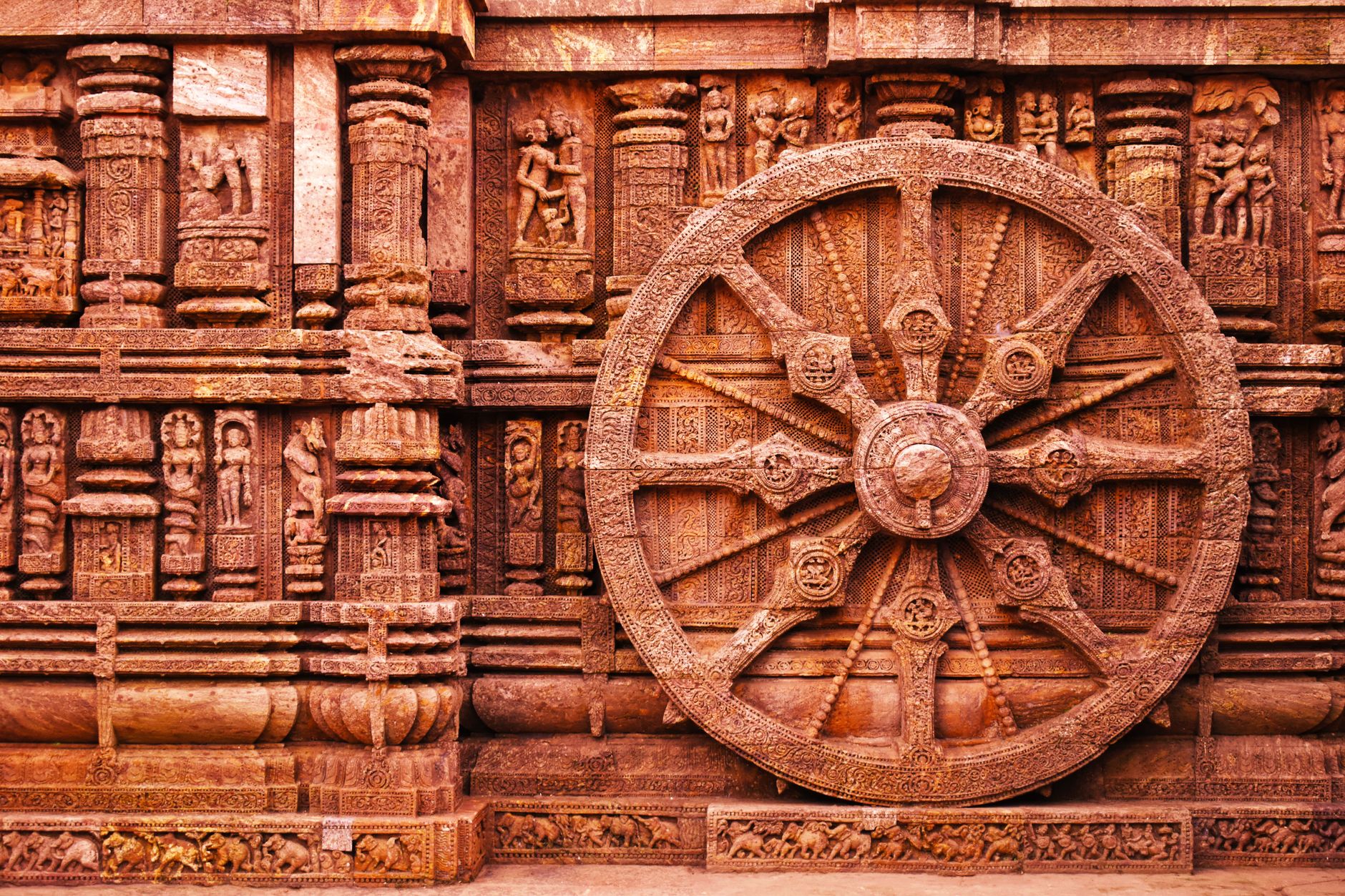
Colonial-era education emphasized Greek, Roman and later European achievements while downplaying or omitting Indian contributions. Invasions that destroyed northern Indian centers of learning, including the sack of Nalanda around 1193, disrupted transmission within the subcontinent itself. The modern branding of the “Silk Road” as a primarily Chinese story further marginalized the Indian Ocean routes. Dalrymple notes in the podcast that even today many mathematics PhDs in the West remain unaware of Aryabhata or Brahmagupta, despite their foundational role.
This forgetting was not accidental. It aligned with narratives that positioned Europe as the natural heir to classical antiquity and the driver of modernity. As global power dynamics shift once more toward Asia, recovering this history provides essential context rather than mere nostalgia.
Relevance to contemporary world affairs
Understanding ancient India’s role clarifies why current discussions of multipolar order and Asian resurgence are not entirely novel. Similar to the approach Ukraine’s Zelenskyy calls for sustained pressure to end ‘Putin’s crazy war’ covered in recent reporting on geopolitical endurance, historical patterns show that influence often flows through economic interdependence and idea exchange more than raw military occupation. India’s ancient networks prefigured today’s supply chains and knowledge economies.
At the same time, caveats remain important. Ancient India was never a monolithic actor; its achievements emerged from competing kingdoms, diverse linguistic traditions and periods of both expansion and contraction. Claims of unbroken supremacy ignore these cycles. Yet the cumulative record of economic weight, scientific precedence and cultural reach justifies describing the subcontinent as a forgotten superpower whose eclipse during the colonial centuries was the exception, not the historical norm.
Recovering this narrative does not diminish other civilizations. It restores balance to a global story in which India’s contributions to zero, trade systems and religious diffusion helped build the interconnected world we inhabit. As Asia’s share of global GDP rises again, the lessons of that earlier centrality deserve renewed attention from policymakers, educators and the public alike.