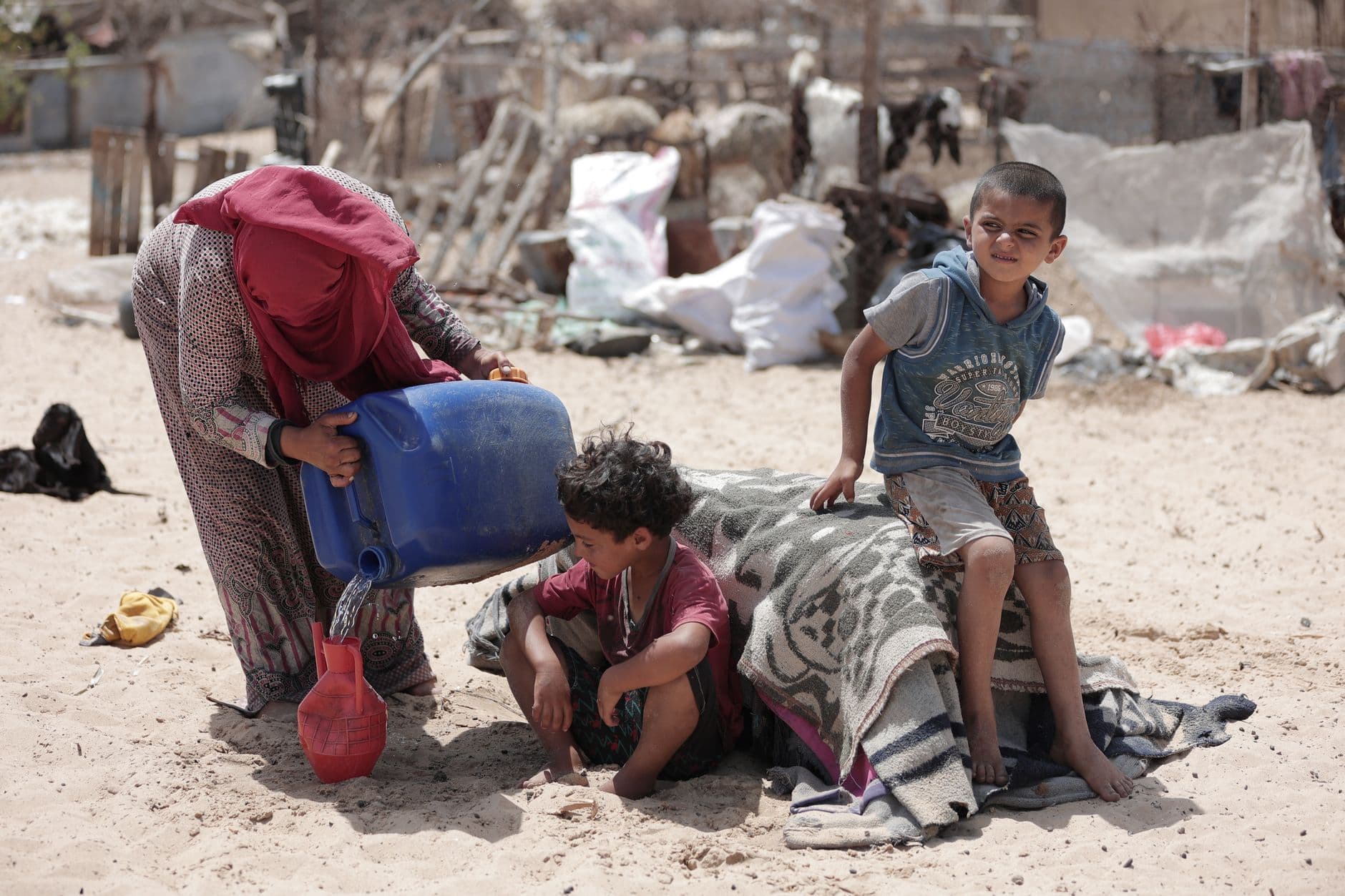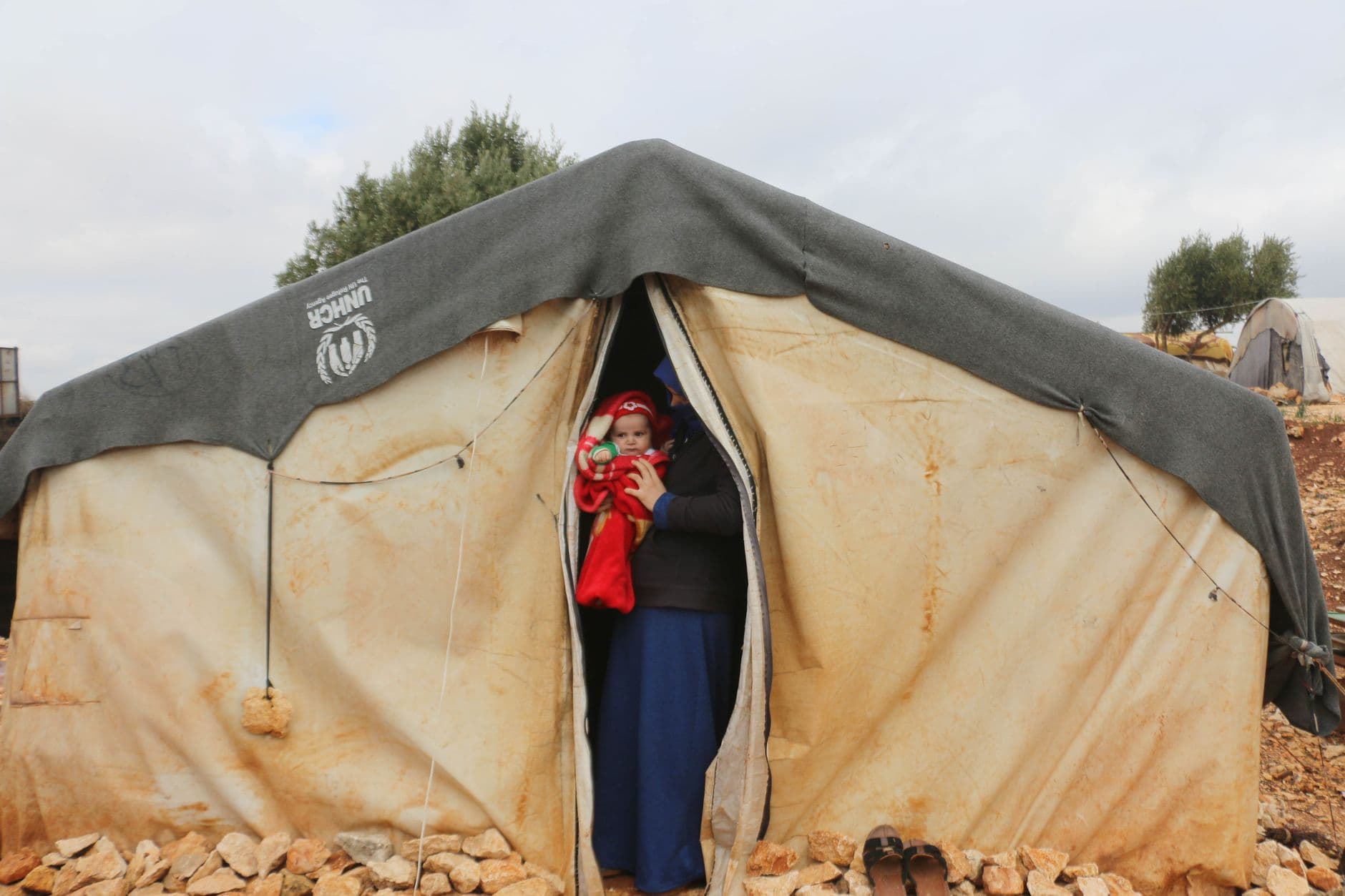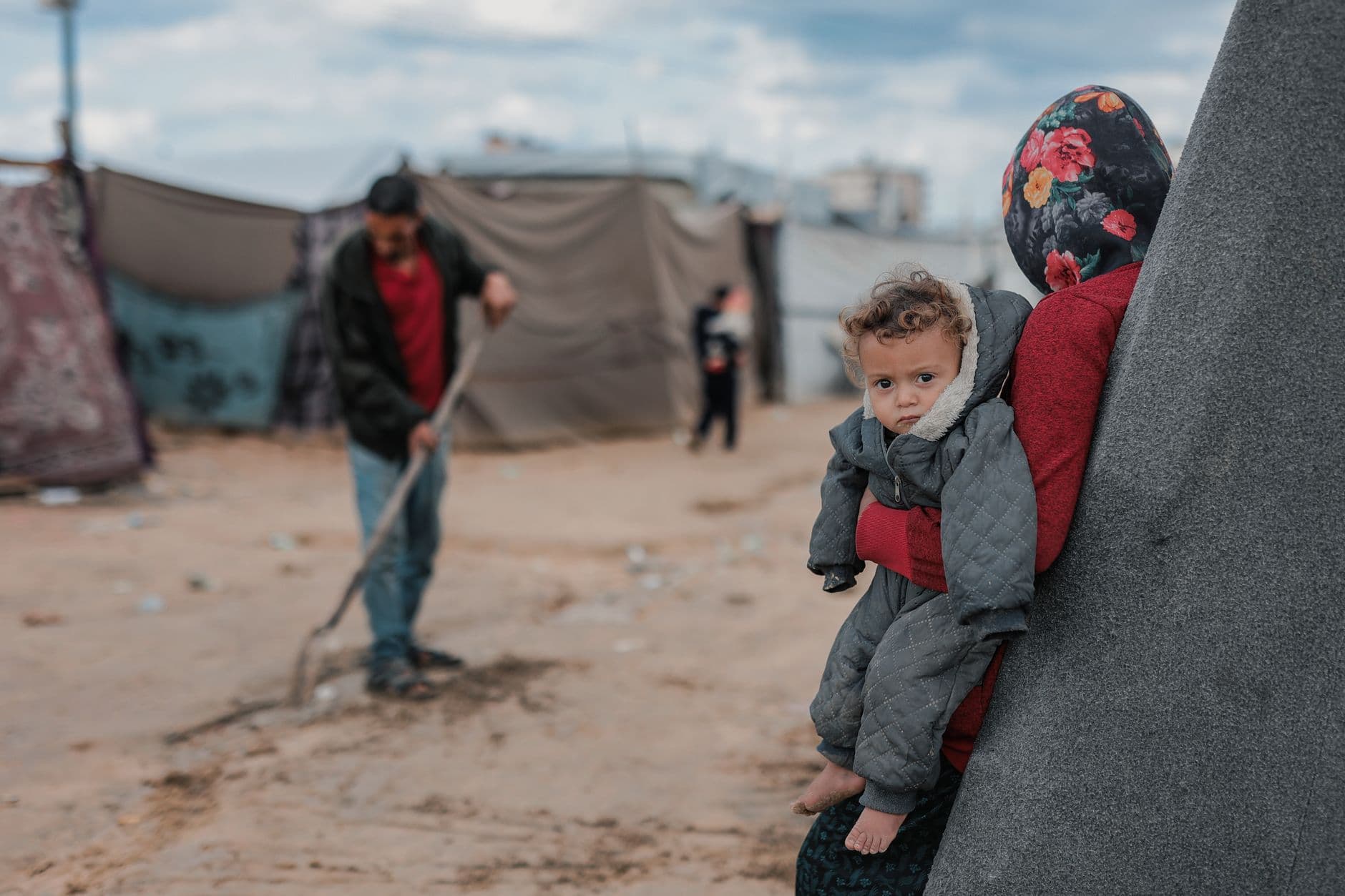


Residents of Aden are stockpiling sugar, flour and other staples while readying vehicles and fuel for possible flight as Houthi ballistic missiles strike the southern Yemeni port city repeatedly this month.
Mohammed Abdul Malik told Al Jazeera that he and friends have begun buying basic provisions in larger quantities. His Plan B involves driving his family northeast to Shabwa or east to Hadramout if institutions collapse. He has checked his car and set aside emergency fuel.https://www.aljazeera.com/news/2026/10/30/need-a-plan-b-yemenis-in-aden-prepare-for-another-war-as-missiles-fall
Escalation in October 2026
Houthi forces have claimed responsibility for multiple ballistic missile strikes on Aden International Airport, the port area in al-Tawahi, coast guard facilities and the Maashiq presidential palace compound that houses government offices. Government statements report attacks on 7, 15, 16, 21, 24, 26 and 28 October, with some landing near runways and military sites.https://www.arabnews.com/middle-east/houthis-target-aden-airport-and-maashiq-presidential-palace-with-ballistic-missiles-3009041 https://www.newarab.com/news/houthi-missiles-target-aden-airport-coastguard
The strikes follow a major Houthi offensive that began in early September against government-held areas in western Yemen. After four years of relative calm following the 2022 truce, fighting has reignited across several fronts, including Taiz province where prices have already doubled in some areas.Yemen’s Taiz under siege again as food and fuel prices rise
Food security under pressure
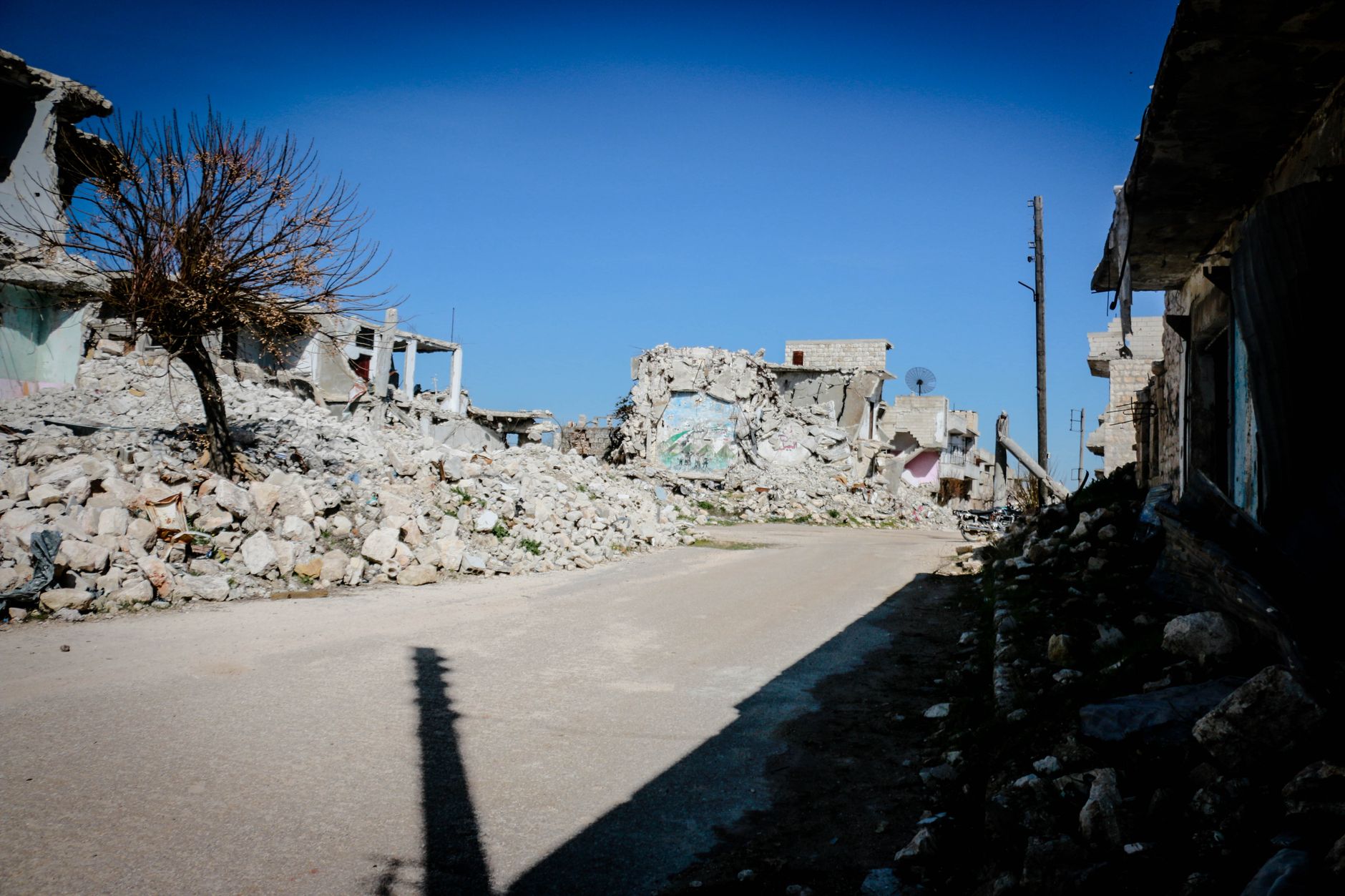
Aden markets still hold goods, yet many households already spend most of their income on food. A government employee earning the equivalent of about $50 a month faces typical household food costs near $83, according to Yemen Economic Tracking Initiative estimates. Families report cutting meat, buying smaller quantities and relying on credit.https://www.aljazeera.com/economy/2026/10/9/from-aden-to-sanaa-yemenis-struggle-to-deal-with-soaring-living-costs
FEWS NET monitoring shows the cost of the minimum food basket in Aden rose 5 percent between February and June 2026, with sharper increases in nearby governorates. War-risk insurance and freight costs continue to push import prices higher across government-controlled areas.https://fews.net/middle-east-and-europe/yemen/key-message-update/july-2026
Local analyst comments in the Al Jazeera reporting note that only wealthier residents can afford meaningful stockpiles. Most Aden households already struggle to meet daily needs, and any port disruption or further fighting would drive prices sharply upward, mirroring the situation in besieged Taiz.
Broader context of renewed conflict
Yemen’s war began in 2014 when Houthis seized Sanaa, prompting Saudi-led coalition intervention in 2015. The Houthis control much of the north and west while the internationally recognised government holds Aden and large parts of the south and east. Recent Houthi advances and missile campaigns have targeted both Saudi territory and government strongholds inside Yemen.https://www.reuters.com/world/middle-east/missiles-hit-aden-airport-saudi-led-coalition-intercepts-missile-headed-yanbu-2026-10-16/
Investigators from Conflict Armament Research documented shipments of missile components arriving in Aden’s free zone in 2025, intended for Houthi areas, indicating efforts to expand domestic production of longer-range systems. These capabilities have enabled sustained strikes despite earlier ceasefire attempts.
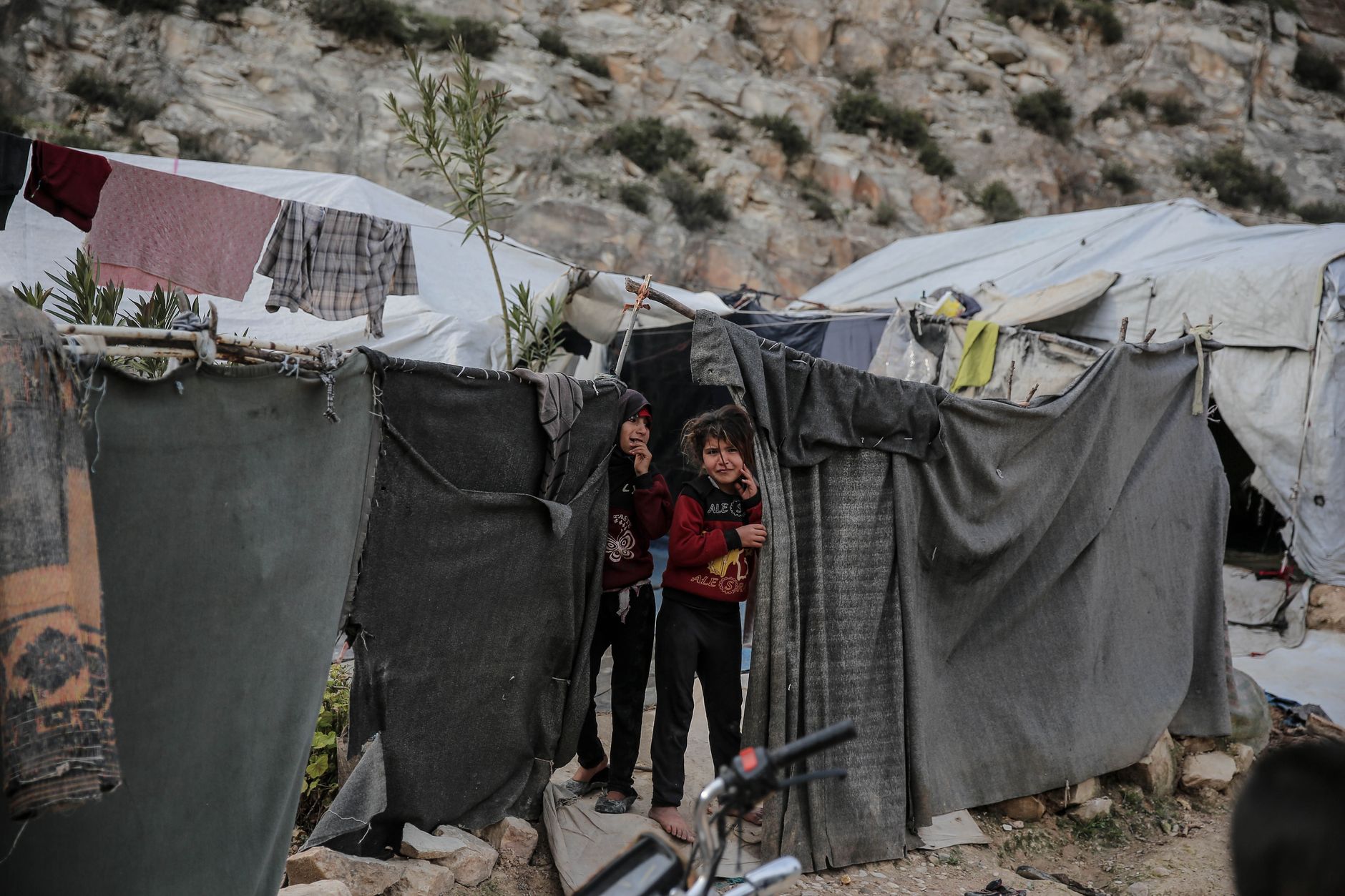
Humanitarian agencies have warned of rising displacement and malnutrition risks. In Taiz alone, fighting has cut off assistance to hundreds of thousands. Aden clinics already report increases in acute malnutrition cases among children arriving from conflict zones.
Daily disruptions and contingency planning
Airport operations have faced repeated interruptions, with flights diverted and airlines adjusting schedules. Residents describe conversations at work shifting to what to buy, what to store and where to go if violence spreads. One Aden resident noted that accounts from friends who fled Taiz have heightened concerns about supply chains collapsing.
Government forces have reported conducting hundreds of strikes daily against Houthi positions as part of the “Dawn of Yemen” campaign, claiming significant losses inflicted on opposing forces. Diplomatic appeals to the UN Security Council seek condemnation of attacks on civilian infrastructure including displacement camps and airports.
What happens next
Analysts see the current phase as a test of whether limited escalation can extract concessions on blockades and territorial control without triggering full-scale resumption of the pre-2022 war. For ordinary Adenis, the immediate priority remains securing food and mapping safe routes out of the city. Continued missile activity and ground fighting in nearby provinces will determine whether stockpiling remains a precaution or becomes a necessity for survival.
The pattern echoes earlier phases of the conflict when price spikes and supply disruptions followed major offensives. Without de-escalation, food access in government-held areas risks further deterioration, compounding existing economic pressures from currency fluctuations and unpaid salaries.