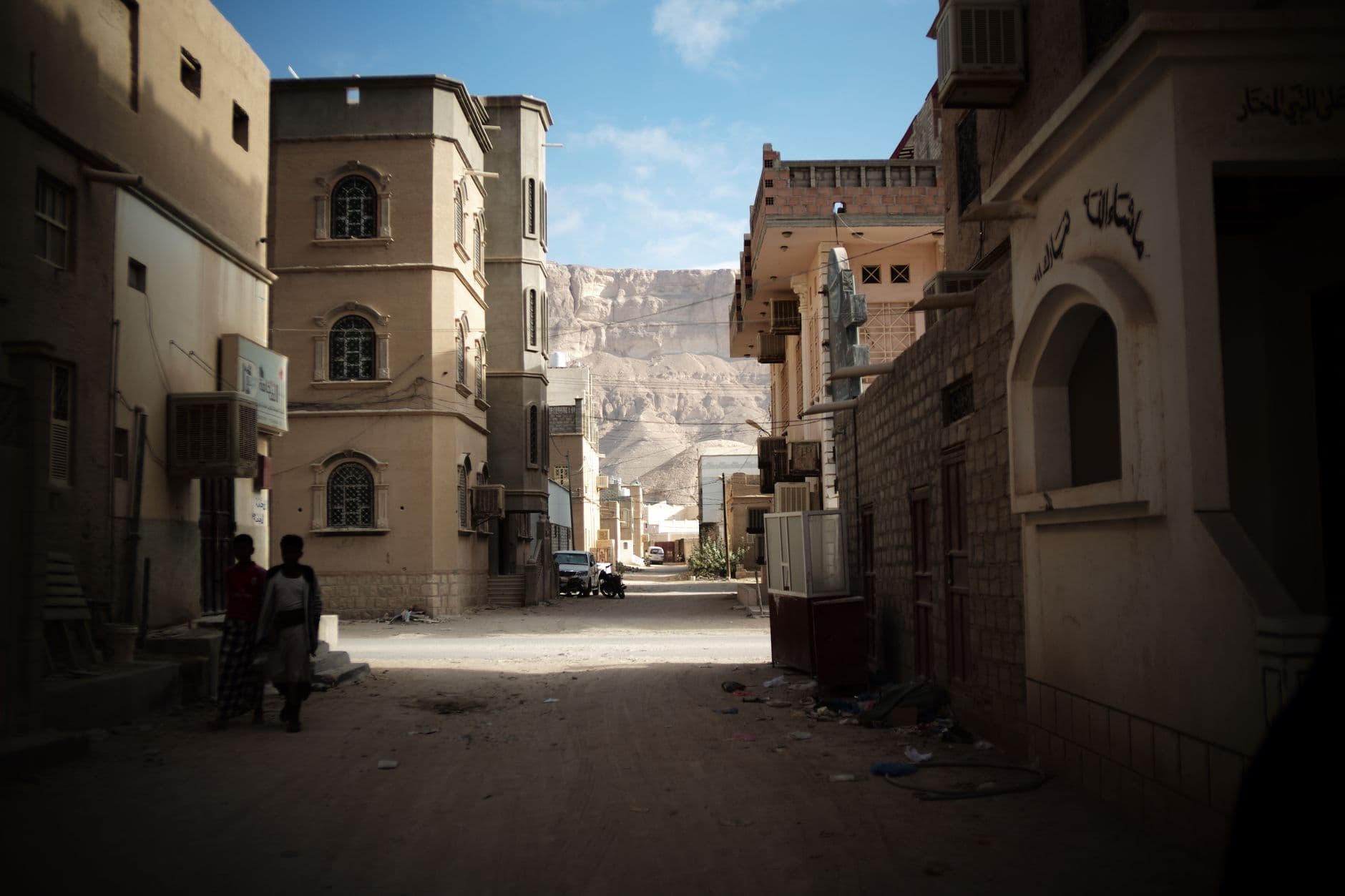

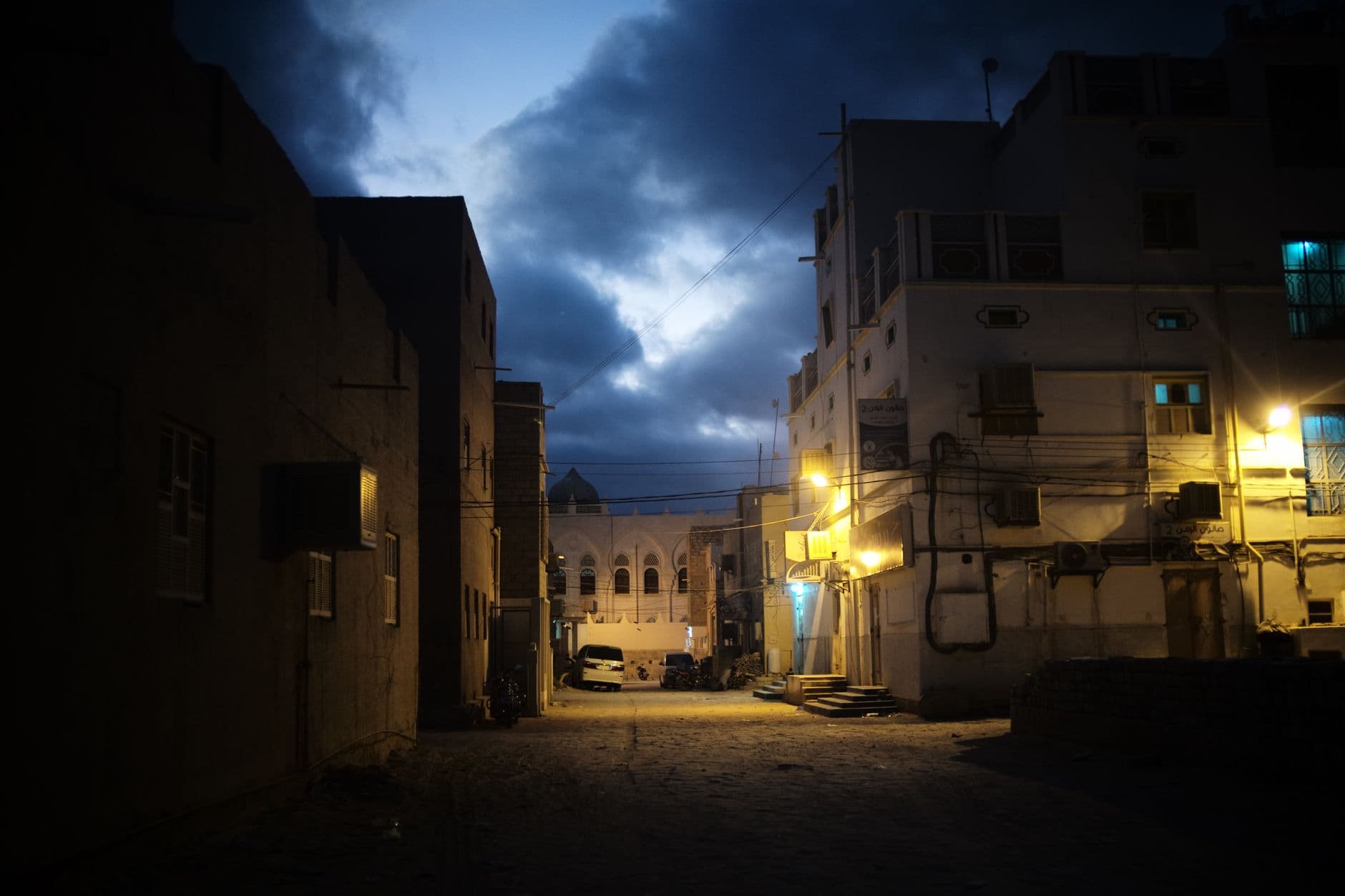
Houthi advances in early October 2026 have once again isolated Yemen’s third-largest city of Taiz, cutting off the main road from Aden and severing a critical supply route that had been reopened in 2024. The closure of the al-Turbah crossing has rapidly led to empty market stalls, deserted streets, and rising prices for essentials.
Immediate supply disruptions
Within less than a week of the road closures, fuel shortages have left many streets nearly empty. Petrol that previously entered via the Aden route is now scarce, pushing black-market prices for a 20-litre container from 30,000 Yemeni riyals (approximately $19) to 90,000 riyals (approximately $58). Residents report similar difficulties obtaining water, cooking gas, vegetables, flour, and sugar.
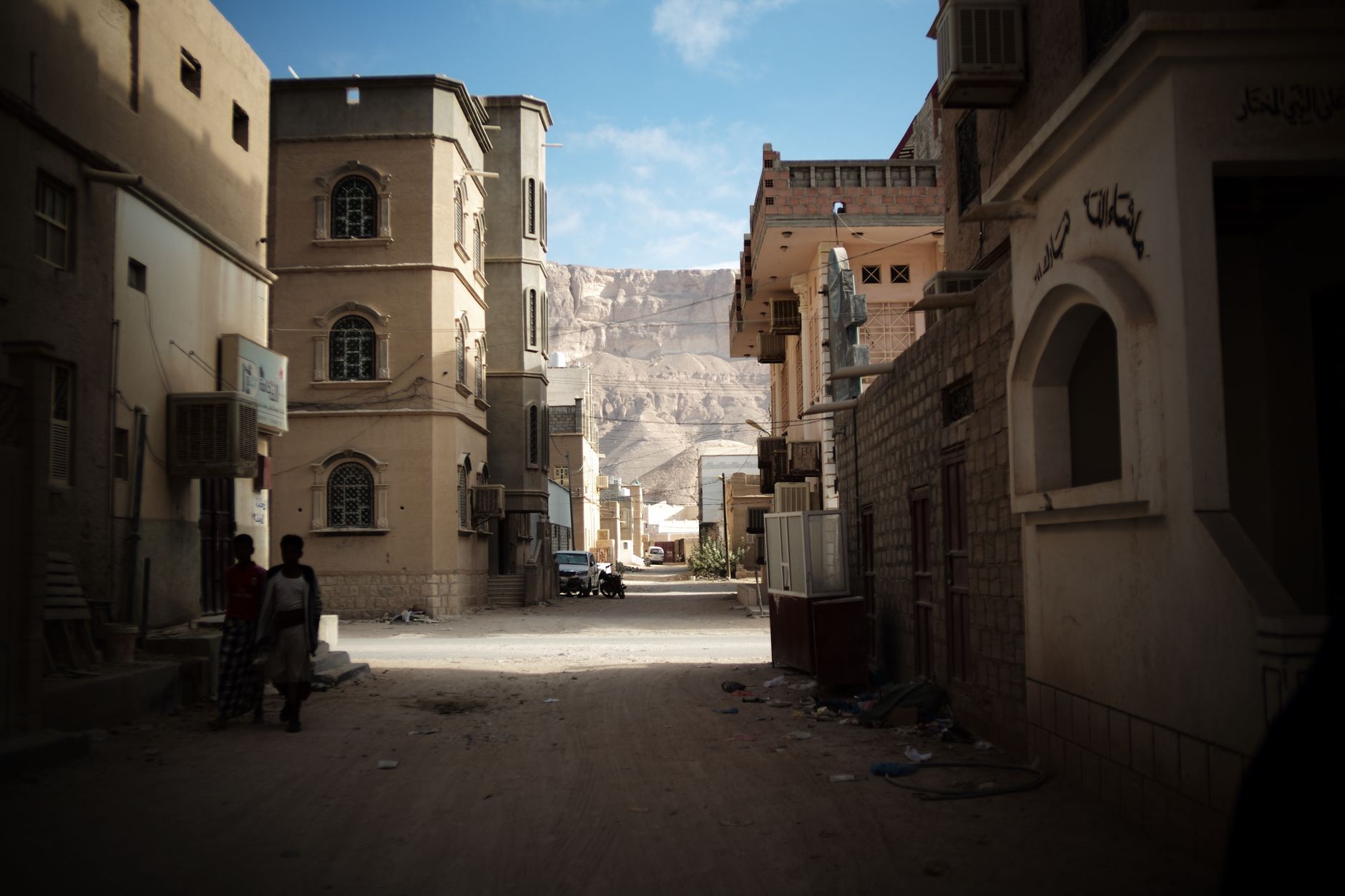
Food price surges
Markets have seen a surge in demand as families rush to stockpile amid fears of prolonged shortages. Prices of basic commodities, particularly wheat and flour, have risen noticeably, while vegetable and fruit prices have doubled, according to local economic observers. Traders estimate that available wheat stocks may cover only about two months of demand in parts of Taiz, and the World Food Programme has recorded a 10% increase in wheat flour prices in monitored areas over two weeks.

Local impact and concerns
Nabil Jamil, director-general of the planning and development office in Taiz governorate, described the current situation as “more comprehensive and its impact more severe than in 2015.” Residents have accused some traders of hoarding goods in the absence of effective oversight. The blockade revives memories of the prolonged 2015-2016 siege, though analysts note it arrives against a backdrop of deeper economic strain, including currency depreciation and already elevated food costs.
Humanitarian agencies have reached more than 126,000 people with aid since August, yet nearly 200,000 have been displaced across Yemen amid the latest fighting, with needs continuing to exceed available resources.