

Power Cuts Threaten Lifesaving Care in Aden
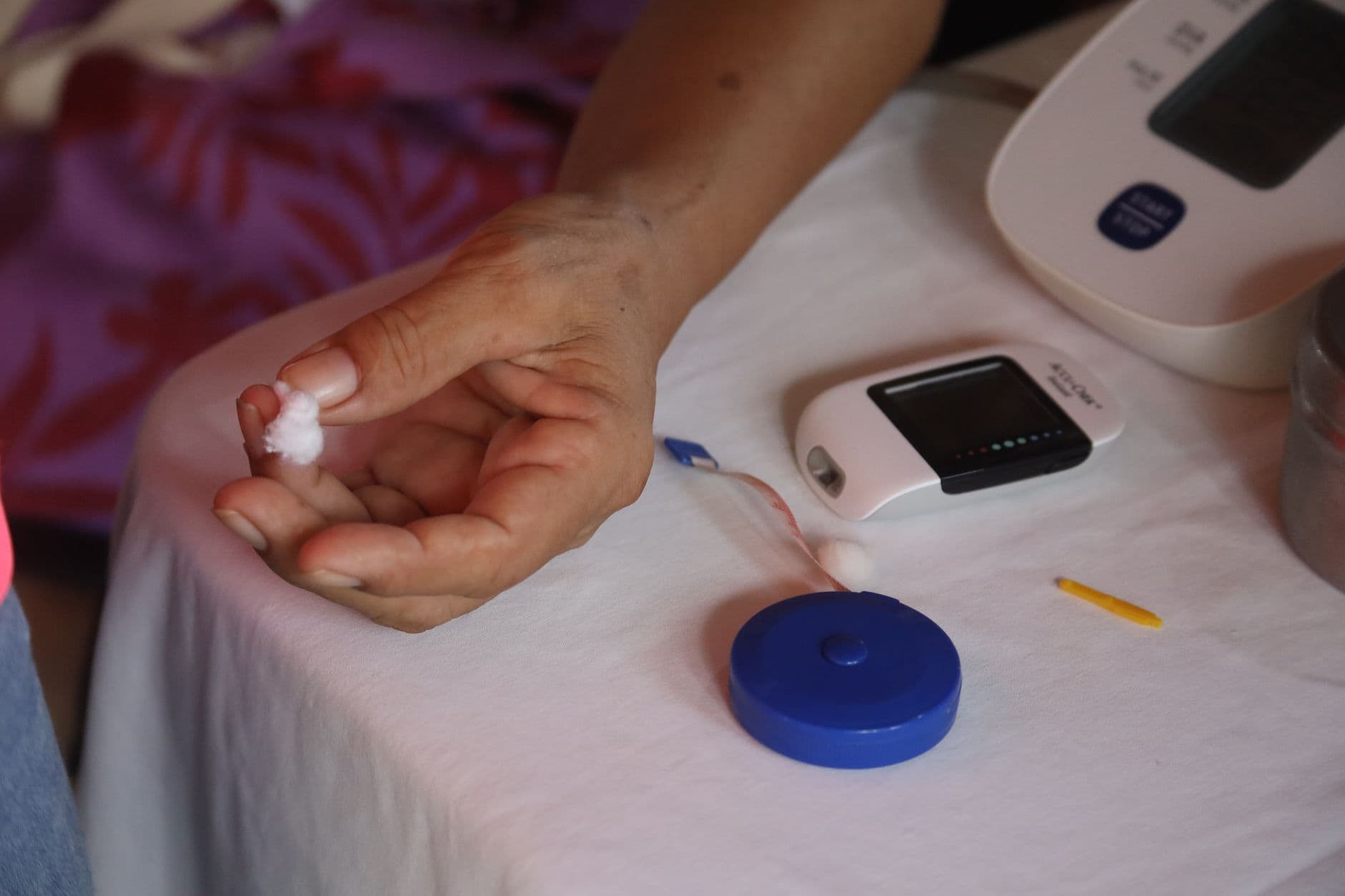
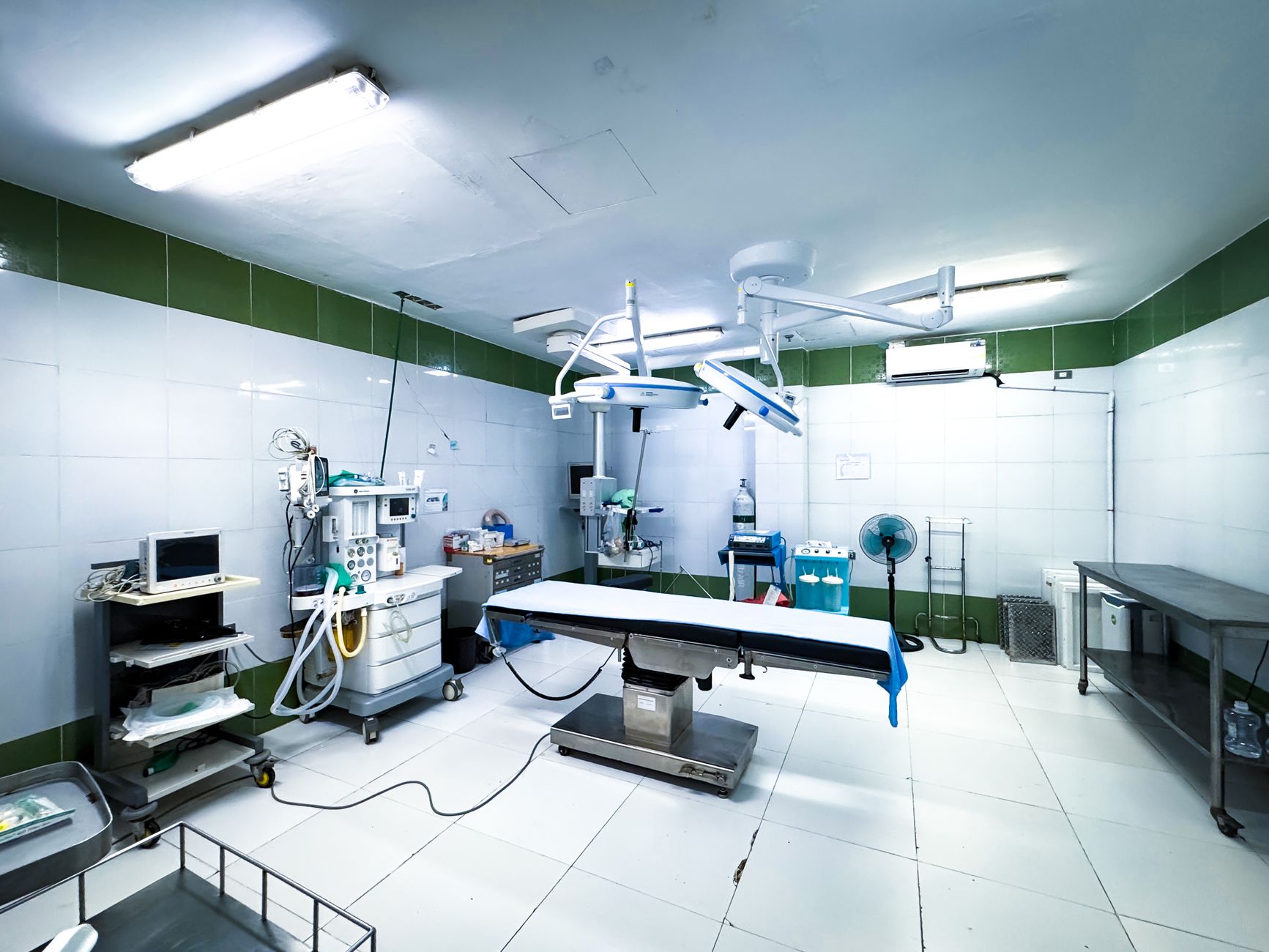
Photographs published by Al Jazeera on October 5, 2026, show medical staff and patients in Aden navigating repeated power cuts that affect essential hospital operations. Operating theatres, intensive care units, laboratories, medical refrigerators, incubators and dialysis machines all depend on continuous electricity, according to the report. Recurring outages force facilities to rely on grid power, generators and solar systems where available.
The World Health Organization supplied approximately 4.33 million litres of fuel to 177 health facilities across Yemen in 2025 to support generators and keep essential equipment running. This Al Jazeera gallery captures the daily reality for patients like kidney patient Zeina Ahmed, who described the uncertainty: “For people at home, a power cut means heat and darkness. For us here, the first thing we think about is whether we will be able to have our dialysis or not.”
Broader Context of Yemen’s Electricity Crisis
Aden, the temporary capital under the internationally recognized government, receives just two to six hours of electricity a day according to an International Monetary Fund assessment published in 2026. Structural weaknesses in the power grid, combined with fuel shortages and damage from years of conflict, drive the frequent outages. As the sun sets, families face sleepless nights and spoiled food, adding household strain that indirectly pressures an already overburdened health system.
Yemen’s civil war, now in its second decade, has devastated infrastructure nationwide. Power plants often run on imported fuel that faces blockades, attacks on supply routes and economic collapse. In Aden, diesel and mazut shortages have repeatedly shut down generation stations, with one complete blackout reported in mid-October 2026 before partial restoration.
Impact of Renewed Fighting on Health Services
Escalating clashes in 2026 have overwhelmed hospitals further. Facilities in Marib, Taiz and along the Red Sea coast have admitted hundreds of weapon-wounded patients in single weeks, according to the International Committee of the Red Cross. Trauma care capacity remains limited, with shortages of surgical supplies, anesthesia, oxygen and medicines. WHO reports highlight how power disruptions compound these challenges by threatening cold chains for vaccines and medicines.
In besieged Taiz, hospitals face imminent closure risks from fuel depletion. Twelve facilities there had only days of generator fuel left as of mid-October 2026, while dialysis centers struggle with reduced sessions due to shortages. Patients unable to reach treatment have died, underscoring how power and supply issues intersect with active conflict.
WHO and International Efforts to Sustain Services
Beyond the 2025 fuel deliveries, WHO has pursued longer-term solutions. A project funded by the Kuwait Fund for Arab Economic Development aims to install solar photovoltaic systems and battery storage in six priority health facilities. This initiative targets operating theatres, intensive care units and vaccine cold chains to reduce reliance on generators amid frequent blackouts.

Earlier contingency funding supported fuel deliveries to dozens of northern facilities and trauma kits for thousands of surgical interventions. Yet funding gaps persist. WHO warned in October 2026 that immediate requirements had risen sharply to $31 million as needs grow with displacement and casualties.
Daily Life and Systemic Strain
The images from Aden also illustrate wider effects. Blackouts contribute to sleepless nights and spoiled food for families, compounding the strain on the health system. Similar pressures appear in other 2026 health crises, such as Bangladesh’s dengue outbreak, where overwhelmed systems face parallel resource challenges.
Medical evacuations have nearly halted. Sanaa airport closures and attacks on Aden’s airport have stranded patients needing specialist care abroad. No regular medical evacuation programs operate, leaving thousands without options for treatment unavailable locally.
Looking Ahead
Yemen’s health infrastructure remains fragile. Reliable electricity forms the backbone of functioning facilities, yet the combination of conflict, fuel scarcity and economic woes continues to threaten continuity of care. Solar expansions and sustained international support offer partial relief, but without broader resolution of the conflict and supply issues, hospitals in Aden and beyond will keep facing these disruptions.