
Needs verification before publishing:
Exact daily figures after October 21, 2026
Any new government policy announcements post-October 22
Bangladesh has recorded 364 dengue deaths and more than 116,990 hospitalizations so far in 2026, according to the latest updates from the Directorate General of Health Services (DGHS). The figures mark a sharp escalation from the 233 deaths and roughly 75,000 admissions reported by late September.
Updated Toll Reflects Sustained Transmission
Daily bulletins through October 21 show the death toll rising steadily, with October alone accounting for over 110 fatalities. September remained the deadliest month with 148 deaths, followed by August at 43 and July at 36. Earlier months saw far fewer losses, with only five deaths recorded from January through May. Hospital admissions have followed a similar pattern, surpassing 115,000 nationwide by late October, with thousands still under treatment.
Women have accounted for 53.1 percent of the deaths this year. Recovery numbers stand high, with over 109,000 patients discharged, though the strain on facilities persists across urban and rural areas alike.
September and October Drive the Surge
The acceleration began in earnest during the monsoon season. August saw more than 20,000 hospitalizations, but September more than doubled that figure to 43,774 admissions and 148 deaths. October has maintained elevated daily counts, with single-day admissions often exceeding 1,300 and deaths ranging from four to ten. This trajectory exceeds the comparable period last year, when hospitalizations reached about 48,500 by early October and deaths stood at 202.
Regional data highlight uneven distribution. Dhaka divisions, including the two city corporations, consistently report the highest volumes, though Barishal, Khulna, Rajshahi, and Chattogram divisions have also logged substantial admissions. Outbreaks affect both city centers and outlying districts.
Context from Previous Years
The 2023 season stands as Bangladesh's worst on record, with 321,179 hospitalizations and 1,705 deaths. Last year brought 102,861 cases and 413 fatalities. The 2026 numbers already approach or exceed several prior annual totals in hospitalizations while deaths remain lower than the 2023 peak but higher than 2025's count at this stage.
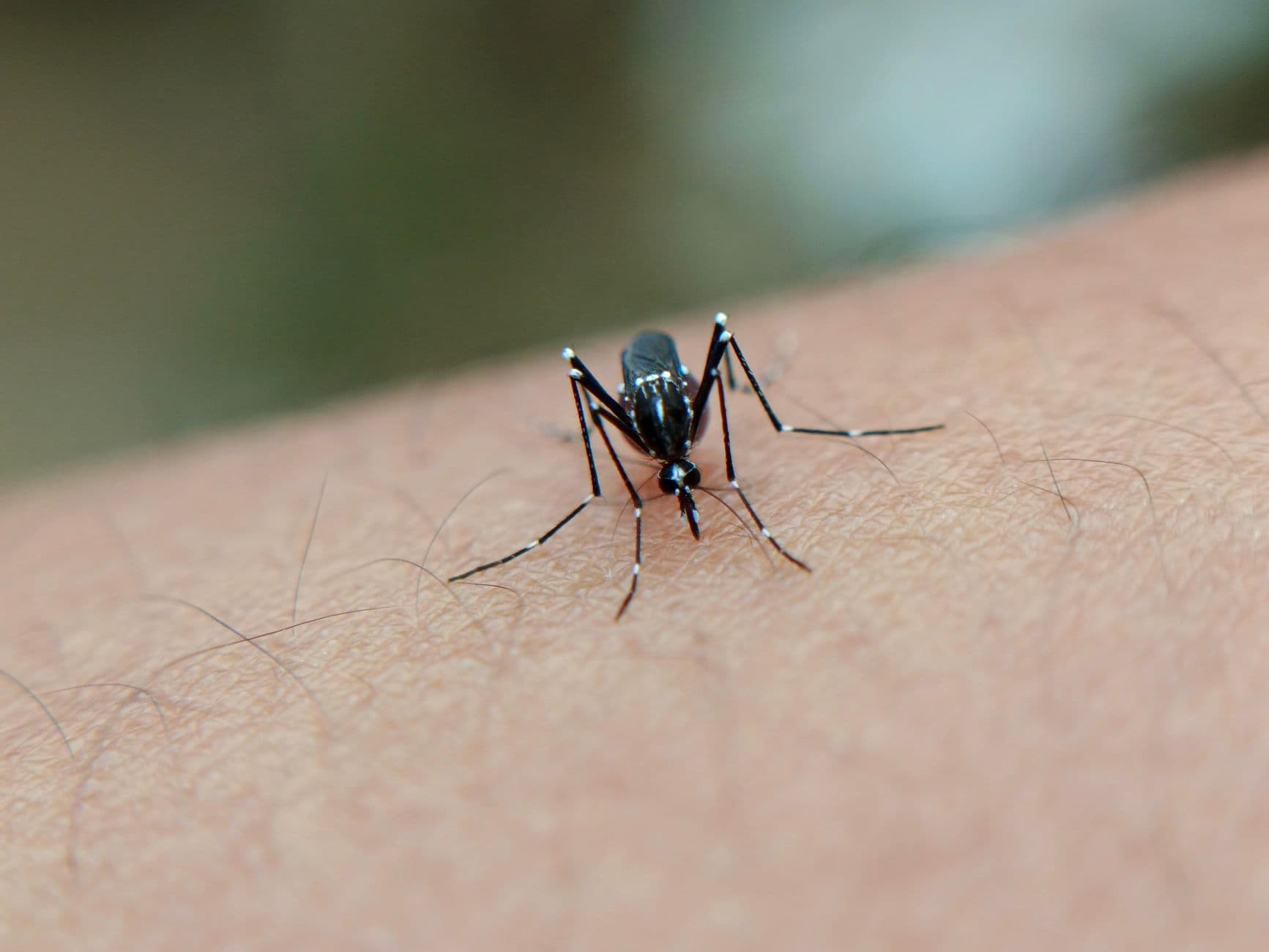
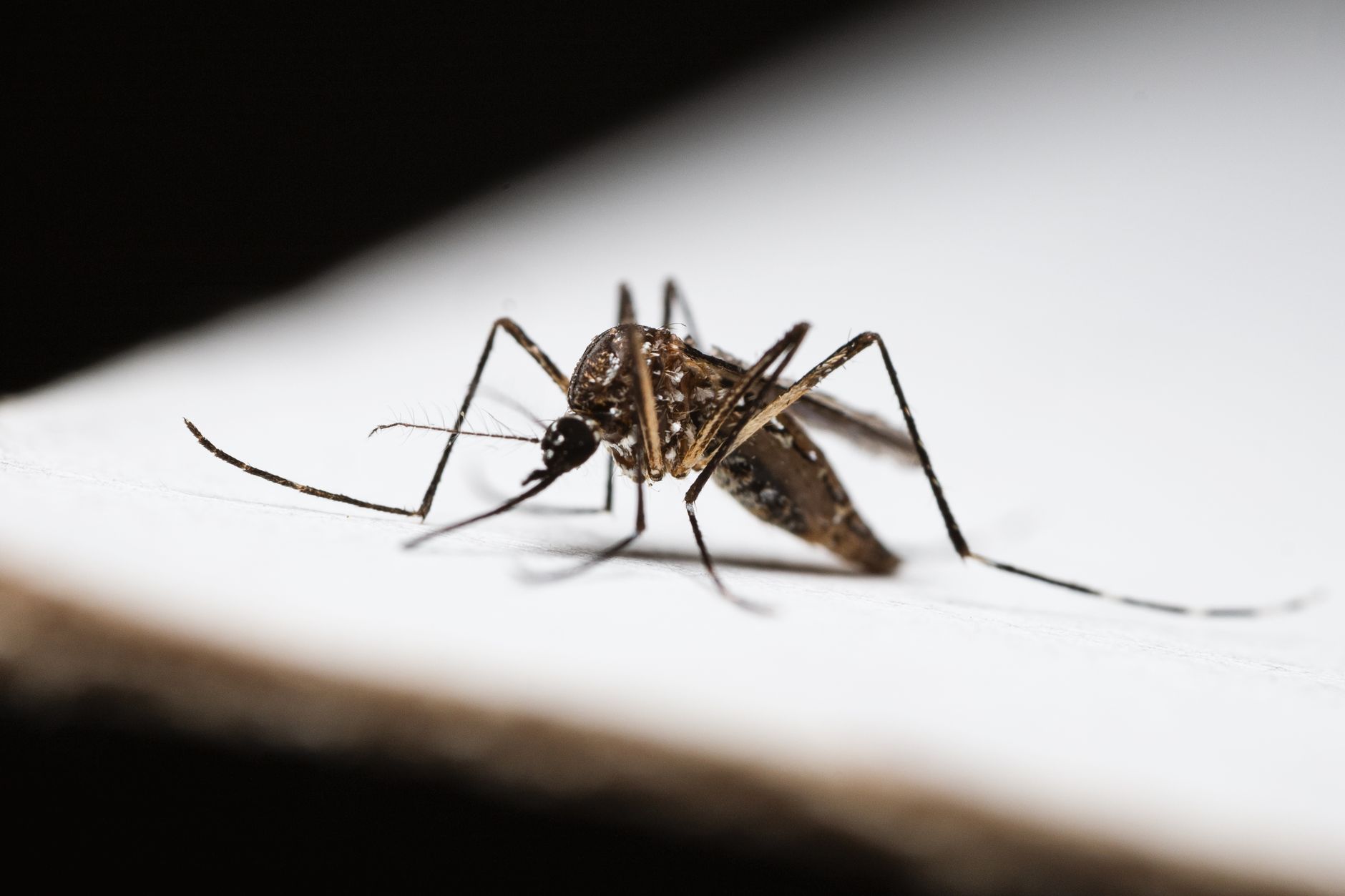
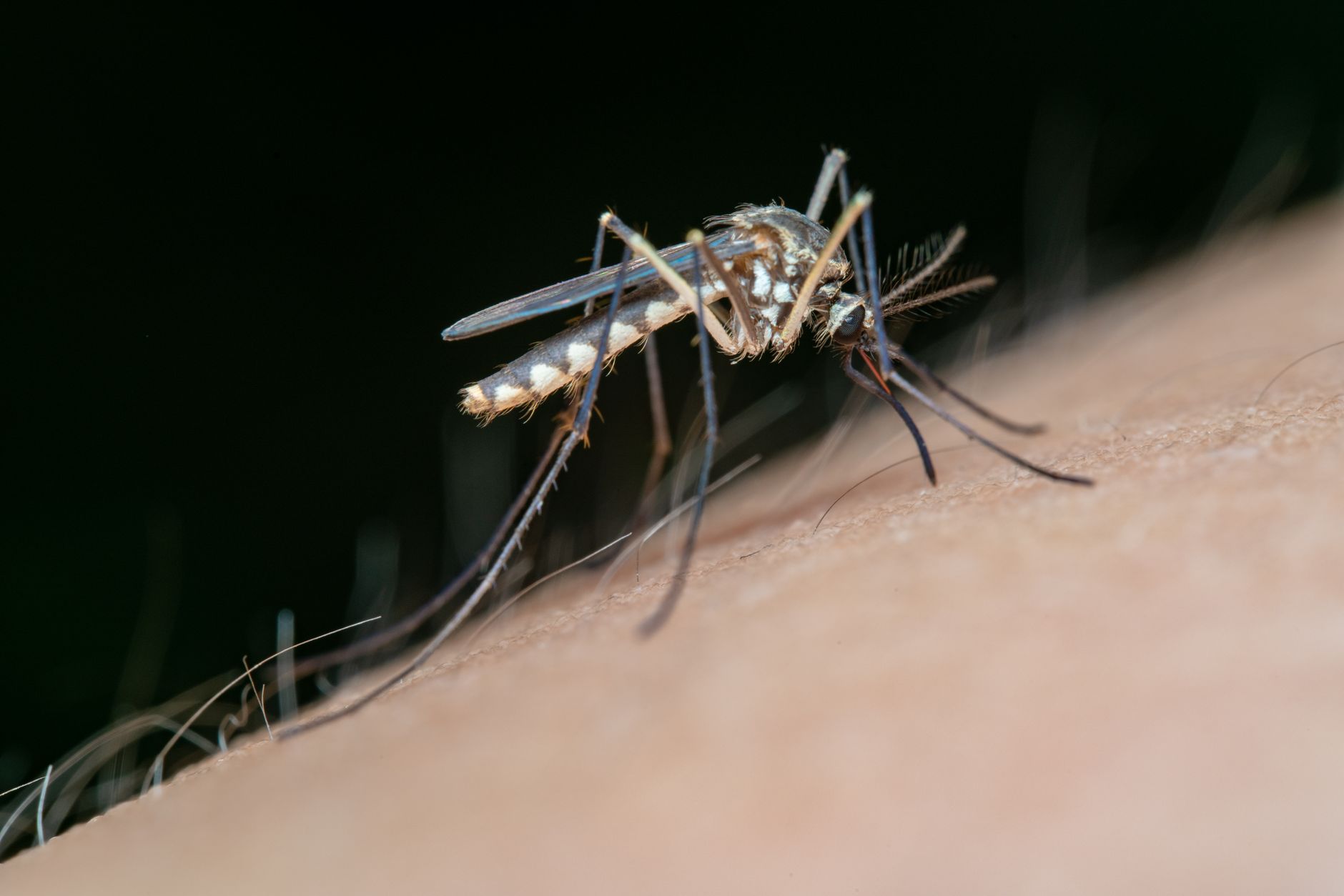
Dengue spreads through the bite of infected Aedes mosquitoes. No specific antiviral exists; care centers on fluid management, monitoring for warning signs such as severe abdominal pain or bleeding, and hospital support for complicated cases. Experts note the disease can progress rapidly, particularly in secondary infections.
Government and Community Response
Authorities have stepped up cleanliness drives, larvicide operations, and public awareness campaigns in Dhaka and other affected zones. The Bangladesh Red Crescent Society recently donated 50,000 NS1 test kits along with saline supplies to bolster diagnosis and treatment capacity. Mobile courts have targeted breeding sites, and thousands of doctors received refresher training in patient management.
Entomologists warn that transmission may remain elevated into November, with meaningful decline possibly delayed until December. Continued vigilance on water storage and waste management remains essential.
Supportive approaches to overall wellness, including certain herbal options, can complement official prevention efforts. Five Teas That May Support Better Health outlines beverages sometimes discussed for general immune and hydration support during illness seasons.
Broader Implications
The prolonged outbreak underscores challenges in vector control amid changing rainfall patterns and urban density. Hospitals report ongoing pressure on beds and staff, echoing difficulties seen in other regions facing infrastructure strains. Public health messaging continues to emphasize early medical attention for high fever and symptoms rather than self-medication.
As the country moves deeper into the post-monsoon window, officials stress that individual actions to eliminate standing water and community-level cleanups offer the most immediate impact. Monitoring will continue through the traditional peak transmission window.