
The World Health Organization has described the Bundibugyo strain Ebola outbreak that began in the Democratic Republic of the Congo in mid-May 2026 as growing more complex, with active or recent cases now reported in three African countries.
Outbreak reaches West Africa
Nigeria confirmed its first case of the Bundibugyo strain on October 20, 2026, making it the fourth African country affected and the most populous. The patient is the Ugandan-born wife of a Swiss diplomat based in Abuja. She developed symptoms on October 7 after travel that included eastern DRC and transit through Uganda. Health authorities in Nigeria are tracing 44 contacts, with additional individuals identified since the initial report.
WHO Regional Director for Africa Mohamed Janabi told a media briefing that officials are facing a more complex outbreak landscape. Kenya has reported nine confirmed cases, including one death, all linked to an imported case from a traveler who had worked in DRC. Uganda declared itself Ebola-free in July after recording 20 cases and two deaths earlier in the year.
Scale in the Democratic Republic of the Congo
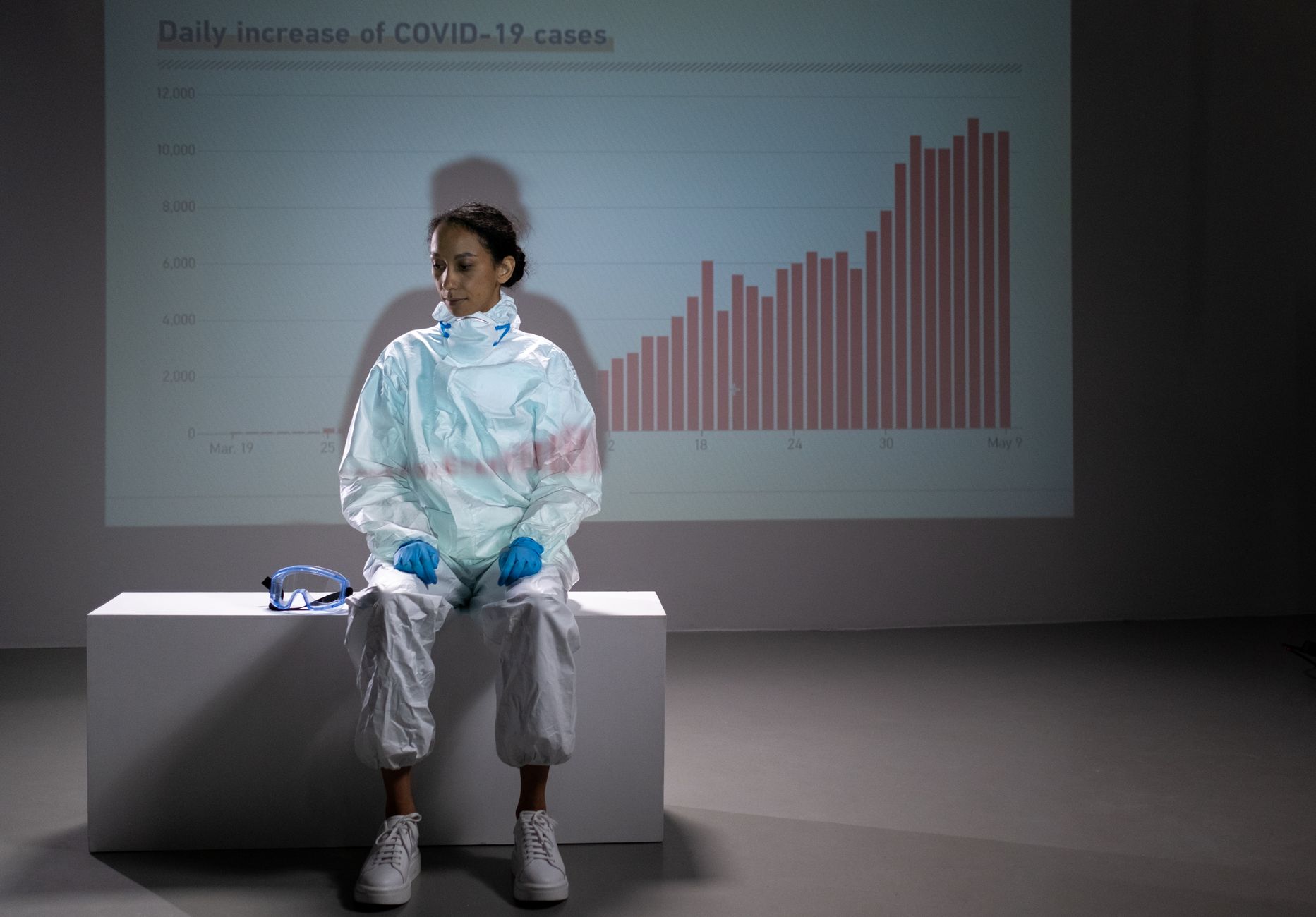
The outbreak remains centered in the DRC, where it has become the deadliest in the country's history. As of late October 2026, authorities reported more than 9,700 confirmed cases and approximately 4,600 deaths across eight provinces. The case fatality ratio stands near 48 percent. Ituri province continues as the epicenter, though cases have spread to additional areas including North Kivu and Nord Ubangi.
Many deaths have occurred outside health facilities, complicating efforts to interrupt transmission. The outbreak has expanded to 64 health zones, and insecurity in eastern provinces has hindered response operations while displacing large numbers of people.
Challenges unique to the Bundibugyo strain
This outbreak involves the Bundibugyo virus, a species of Ebola for which there is no approved vaccine or specific treatment. Earlier Ebola outbreaks in the region were often caused by the Zaire strain, which has licensed countermeasures. The absence of targeted tools increases reliance on supportive care, infection prevention, contact tracing and community engagement.
WHO declared the situation a public health emergency of international concern in May 2026, shortly after the initial detections in DRC and Uganda. The agency has assessed national risk in DRC as very high and regional risk as high. Africa CDC has described the event as the most geographically widespread Ebola outbreak on record, spanning Central, East and now West Africa.
Regional response and preparedness
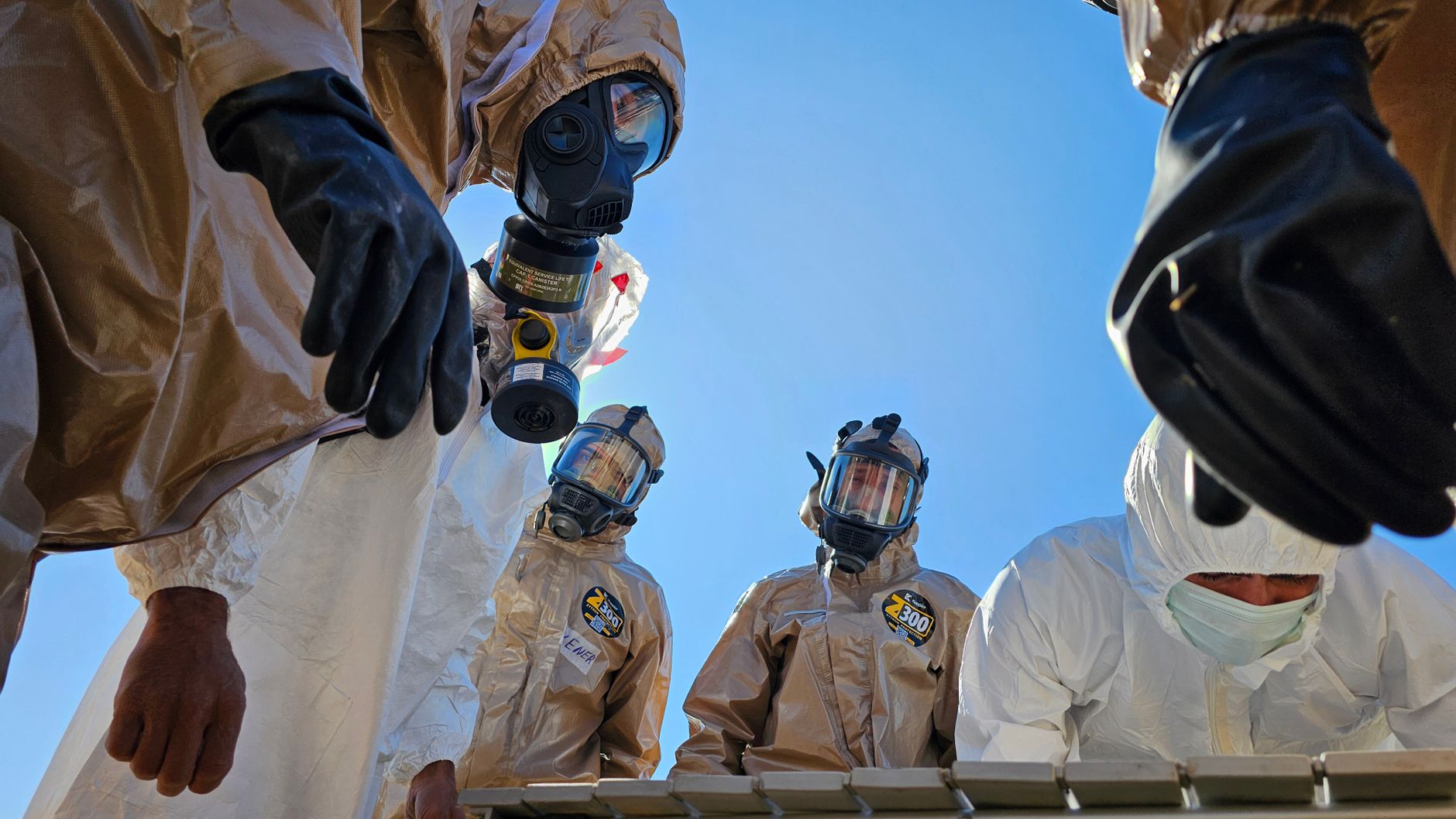
Countries have stepped up screening at borders and airports. Nigeria has increased measures at entry points following the imported case. Kenya has placed contacts under quarantine and provided treatment to confirmed patients. WHO and partners have delivered supplies including personal protective equipment and diagnostic kits to affected nations.
A joint continental preparedness plan launched earlier by Africa CDC and WHO seeks hundreds of millions of dollars to strengthen surveillance and response capacity across the continent. An extraordinary virtual meeting of African health ministers is scheduled for late October to coordinate further action.
Broader context and implications
The current outbreak has grown faster than previous Ebola events in the region and has already surpassed totals from many prior DRC outbreaks. High population mobility, ongoing conflict in parts of eastern DRC and gaps in early detection have contributed to its spread. Health systems in affected areas were already strained before the epidemic began.
Officials continue to investigate the exact exposure point for the Nigerian patient and monitor for any secondary transmission. WHO has advised against general travel or trade restrictions while urging sustained vigilance and rapid reporting of suspected cases.
The situation underscores the need for stronger cross-border surveillance and investment in health infrastructure across Africa. As the outbreak evolves, international support for contact tracing, safe burial practices and community education remains critical to containing further spread.
Health authorities emphasize that early isolation and supportive treatment can improve outcomes even without strain-specific therapeutics. The coming weeks will test the effectiveness of coordinated regional measures in preventing wider dissemination of the virus.