
Formula One returns to Africa in the early 2030s under a 10-year agreement that gives Rwanda the right to host the African Grand Prix. The deal, announced on October 13, 2026, ends a 33-year absence from the continent that began after the 1993 South African Grand Prix at Kyalami.
Background on F1 in Africa
South Africa hosted championship rounds from 1962 to 1993. Morocco staged a non-championship race in 1958. No other African nation has appeared on the calendar. F1 owners Liberty Media identified a return as a priority after acquiring the sport in 2017, yet earlier talks with South Africa and Morocco did not produce binding long-term contracts. Rwanda succeeded by aligning a single, fully funded plan with the required infrastructure and political commitment.
Announcement and key figures
The signing ceremony took place in Kigali. Rwandan President Paul Kagame, F1 President and CEO Stefano Domenicali, and FIA President Mohammed Ben Sulayem attended. Domenicali called the agreement a landmark moment that would allow the championship to race on every inhabited continent. Kagame framed the partnership as an investment in Rwanda’s future and an opportunity for young Africans to see themselves represented in the sport.
The circuit and its location
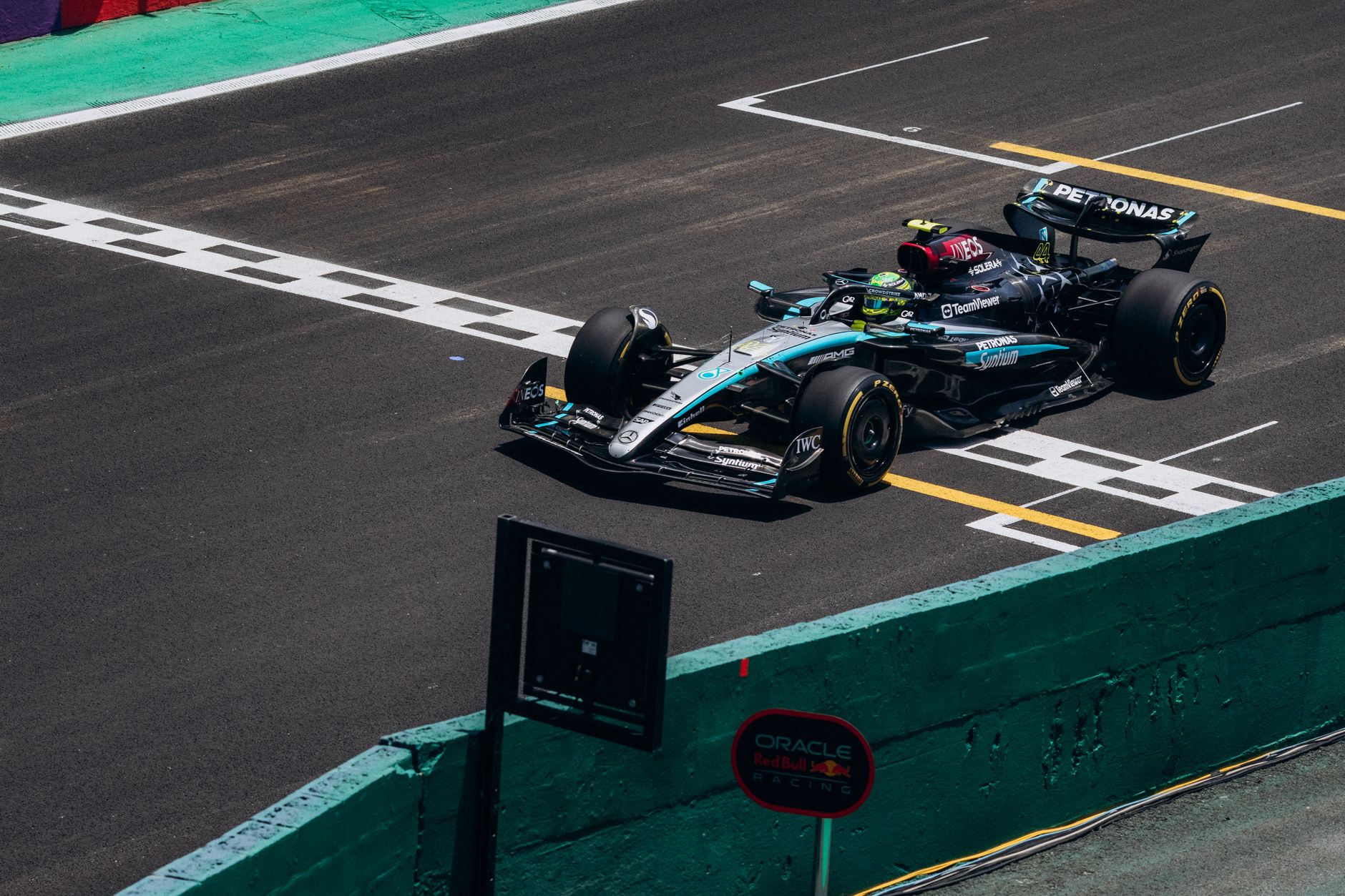
The race will run on a new FIA Grade 1 circuit in Bugesera, 25 to 40 kilometres south of Kigali and next to the new international airport scheduled to open in 2028. Former F1 driver Alex Wurz and Tilke Engineering designed the layout. The track will measure roughly six kilometres with 17 corners in an anti-clockwise direction and will exploit the hilly terrain for about 197 metres of elevation change per lap. The venue forms part of a larger airport-city development that includes hotels, residential areas, entertainment facilities, and an innovation hub. Rwanda Development Board CEO Jean-Guy Afrika said the circuit will have a 100,000-spectator capacity and will operate year-round for concerts, exhibitions, and other motorsport events.
Economic and developmental goals
Officials expect the project to generate jobs, skills training, tourism revenue, and foreign investment that extend well beyond race weekends. F1 events in new markets have historically produced more than £100 million in annual economic impact for host nations. Rwanda plans to integrate the circuit into a wider ecosystem of transport, accommodation, and commercial infrastructure so that the initial investment continues to support activity throughout the decade-long agreement. The race will carry the title sponsorship of Visit Rwanda, the country’s tourism-promotion brand.
Controversy and regional reactions
The announcement drew immediate criticism from neighbouring Democratic Republic of Congo. Congo’s foreign minister called the decision morally indefensible and accused Rwanda of using the event to polish its international image while supporting armed groups in eastern Congo. Human-rights organisations have raised similar sportswashing concerns. F1 has stated that it conducted due diligence and believes the partnership can deliver lasting benefits. The company has not yet published detailed human-rights safeguards for the project.
Broader context for F1 expansion
The Rwanda deal continues F1’s strategy of adding markets with strong growth potential and young audiences. Nearly 60 percent of fans in key sub-Saharan markets are under 35, and more than 100 million people across Africa already follow the sport. The 10-year commitment provides time to develop local talent pipelines, technical education programmes, and regional motorsport structures that could support future African drivers and teams. The official F1 announcement emphasises sustainability and long-term impact rather than a single race weekend.
Next steps and timeline
Construction has not yet begun. Further consultation with teams and drivers will refine the final layout. F1 and Rwandan authorities will announce the inaugural date, construction milestones, and race-weekend plans once the circuit reaches FIA Grade 1 certification. The airport city development and supporting infrastructure are already advancing, which officials say reduces delivery risk for the early-2030s target.
Significance for the continent
Rwanda becomes only the third African country to host a championship round. The long-term nature of the contract signals that F1 intends the return to be permanent rather than a one-off experiment. Supporters argue the event can accelerate motorsport development across Africa, create visible role models, and stimulate economic activity in a landlocked nation that has prioritised infrastructure and tourism. Critics maintain that governance and human-rights questions must be addressed before the first race cars arrive. The coming years will show whether the partnership meets both the sporting and developmental expectations set out in the October 2026 agreement.