
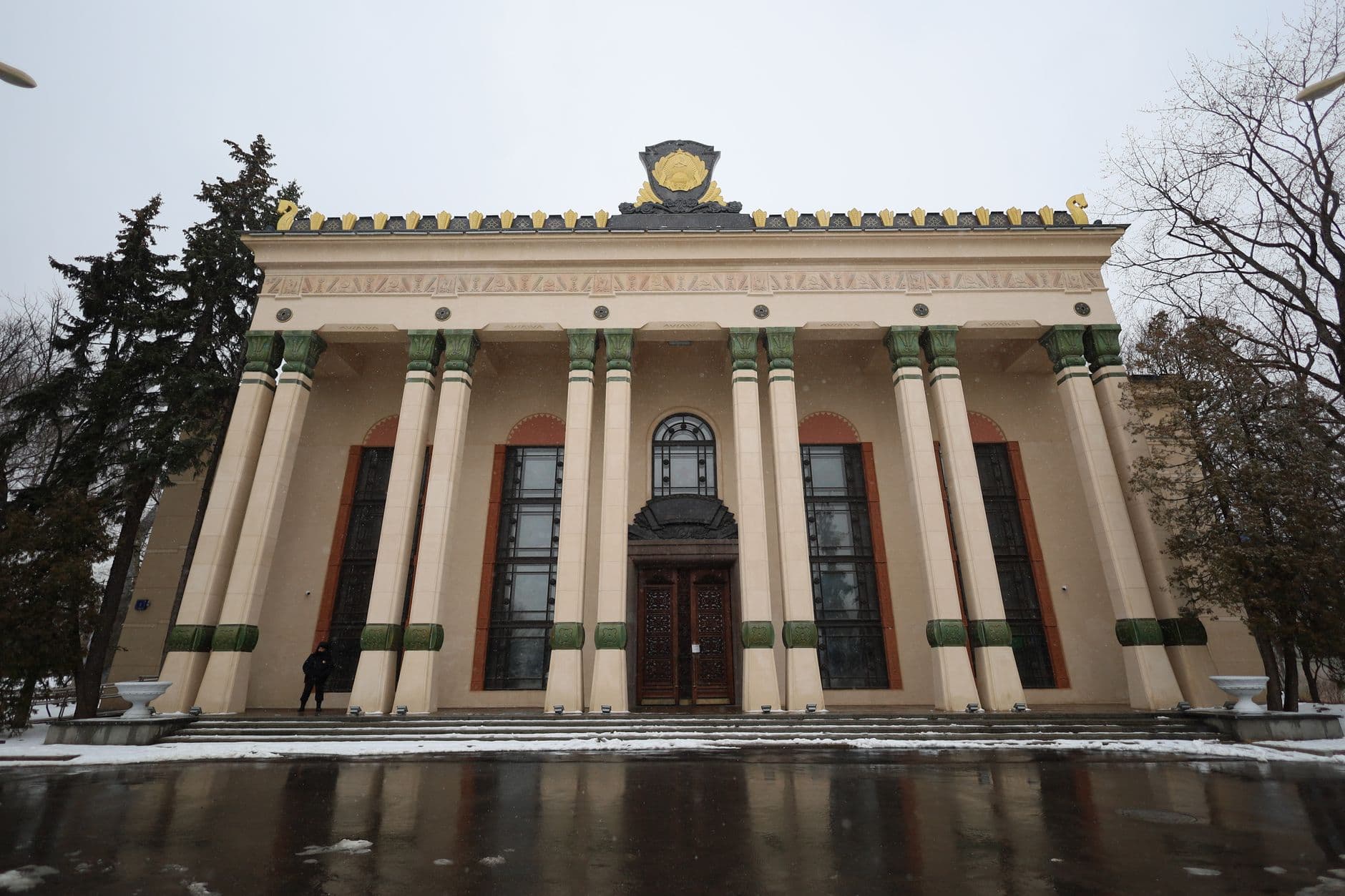
The third Russia-Africa Summit wrapped up in Moscow on October 29 after two days of meetings that brought together representatives from 48 African countries, including 22 heads of state. Russian President Vladimir Putin and Burundi President Évariste Ndayishimiye, the current African Union chairperson, co-chaired the event under the theme “For Peace, Security and Development.”
The gathering produced a 101-point Moscow Declaration covering political coordination, security cooperation, economic ties, humanitarian issues and climate action. Participants also adopted a separate declaration on civilian artificial intelligence cooperation and the Russia-Africa Partnership Forum Action Plan for 2027–2029. The Moscow Times reported that the summit presented a key test: nearly five years into Russia’s full-scale invasion of Ukraine, is deeper cooperation still worth it for African nations?
Attendance and Diplomatic Context
Attendance marked a modest increase from the 2023 St. Petersburg summit, which drew 17 heads of state. The 2019 Sochi gathering had attracted 43 leaders. This year’s event occurred against the backdrop of Russia’s expanded diplomatic footprint on the continent, with eight new embassies opened since 2023 for a total of 48. Putin highlighted that more than 40,000 Africans study at Russian universities, a record figure, and noted ongoing training for African military and law enforcement personnel.
African leaders used the platform to push for concrete economic gains. Nigeria’s delegation called for a shift from political rhetoric to measurable results in infrastructure, energy, agriculture and technology transfer. South Sudan’s President Salva Kiir emphasized the need for robust economic partnership. The African Union chair stressed that the continent seeks mutually beneficial ties rather than handouts.
Trade Figures and Economic Promises
Putin stated that Russia-Africa trade exceeded $27 billion in 2025, up 50 percent since the previous summit, and set a target of at least doubling that volume. Russian grain supplies reached 18 million tonnes in 2025 and another 13 million tonnes in the first nine months of 2026. Fertilizer exports hit 2.2 million tonnes so far this year. Moscow offered to support local processing of African raw materials, joint infrastructure projects and greater use of national currencies in trade.
These numbers remain modest when placed alongside other partners. Trade between Africa and the European Union reached approximately $395 billion in 2025, while China-Africa trade stood at about $348 billion, according to figures cited by Chatham House. Business Insider Africa noted that Russia’s agricultural exports grew 35 percent in value during the first half of 2026, yet overall volumes lag earlier targets set in 2019.
The declaration highlighted cooperation in energy, including nuclear power, oil and gas, hydropower and renewables. It referenced Africa’s Mission 300 initiative to connect 300 million people to electricity by 2030. Similar themes appear in ongoing coverage of the continent’s energy landscape, as explored in Mapping Africa’s Energy Wealth and the 560 Million Still Without Power.
Security and Arms Deals
Security cooperation featured prominently, with calls for a permanent high-level Russia-Africa dialogue on counterterrorism, food security and information security. Ethiopia secured delivery of 12 Russian Su-35 fighter jets, described as one of the summit’s highest-profile deals. Russia has positioned itself as a security partner in several Sahel and other nations through training and equipment.
The declaration endorsed greater African representation in the UN Security Council and opposed unilateral sanctions and the seizure of sovereign assets. It also supported efforts to seek compensation for colonial-era damage.
Scale and Skepticism
Despite the announcements, independent observers have questioned the depth of follow-through. The Moscow Times analysis observed that promises were abundant but light on details, with the Ethiopia jet deal standing out amid broader uncertainty over whether African nations see sustained value in closer alignment with Moscow.
Over 60 agreements were reported signed across the summit and its economic forum, alongside dozens of memorandums. Yet critics point to the gap between rhetoric about a multipolar world and the limited economic leverage Russia can currently offer compared with larger trading partners. The next action plan runs through 2029, with the venue and date of the subsequent summit still to be determined.
African participants stressed sovereignty and practical outcomes. The final documents call for diversified trade, reduced barriers and joint industrialization, while opposing the use of climate policies for discriminatory restrictions. Implementation will determine whether the summit marks a durable expansion of ties or primarily a diplomatic photo opportunity.