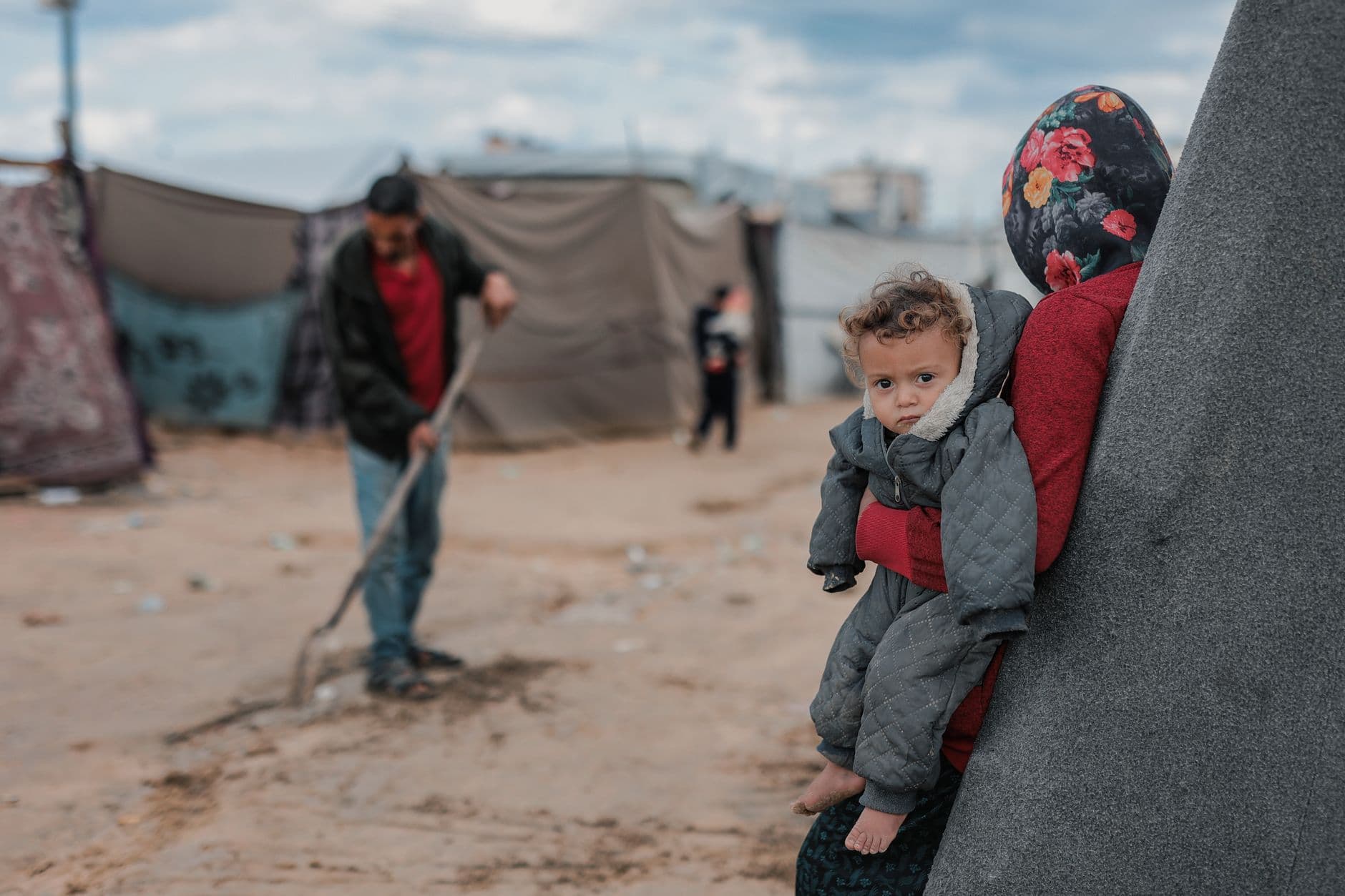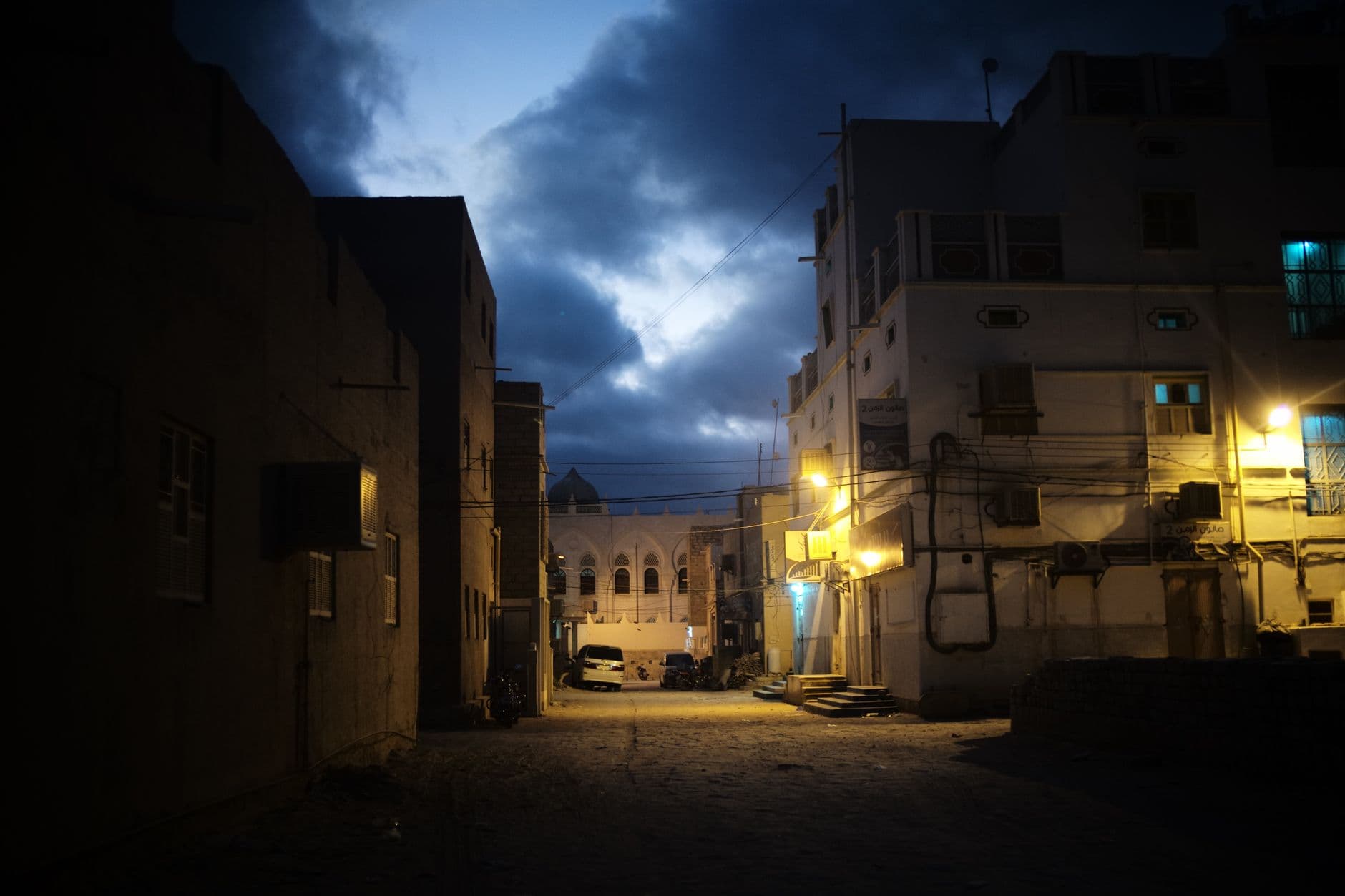

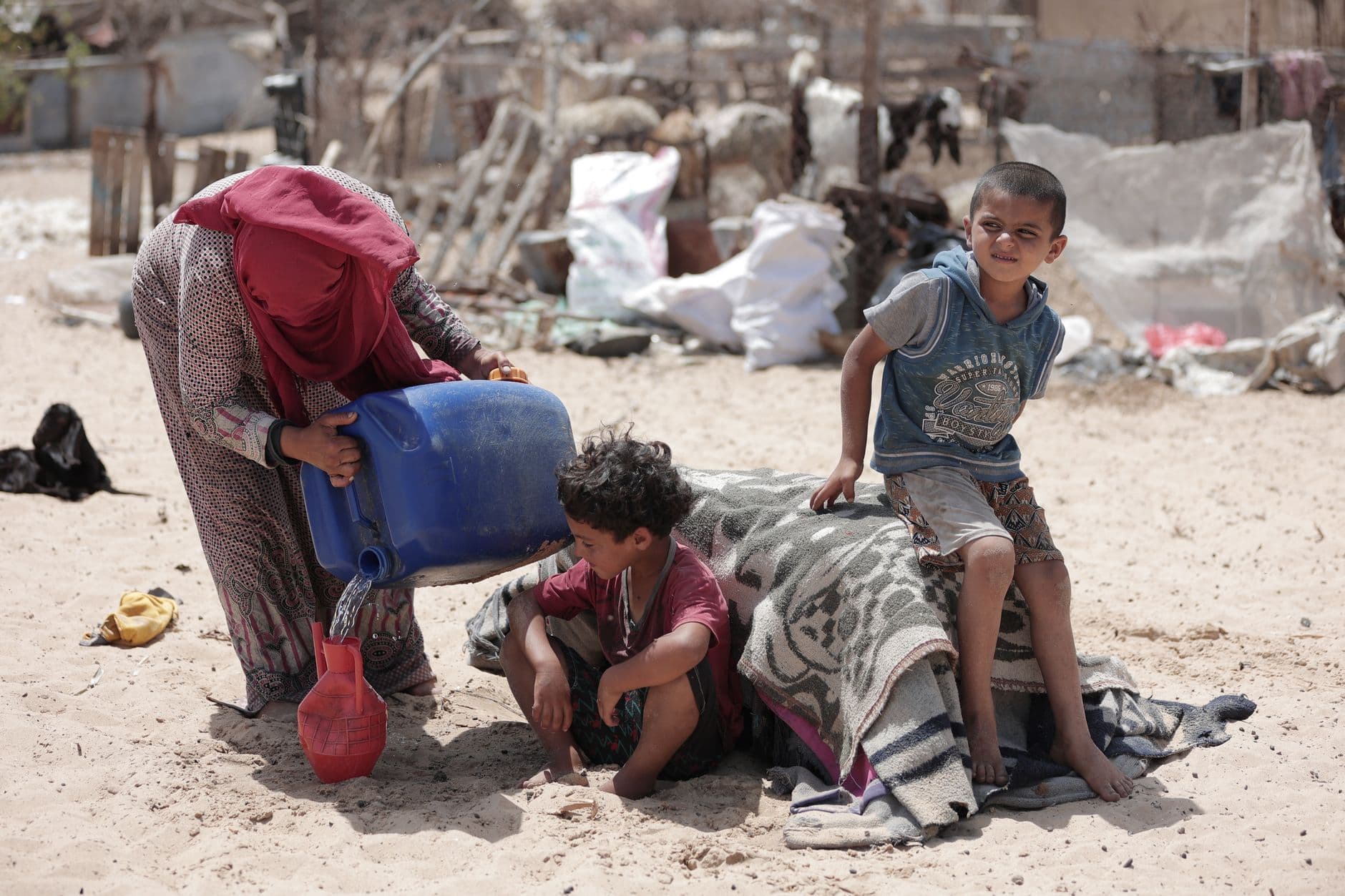
Soaring food prices and a rapidly depreciating currency are compounding the hardships faced by families in Khartoum as Sudan’s civil war enters its fourth year.
Daily Struggles in the Capital
Rasha Abdelaziz Musa, a 39-year-old tea seller in Khartoum, works seven hours a day but often finishes at 10 p.m. still unsure whether she can afford to feed her four children. Her husband has been absent for months and sends no support. Feeding the family now costs about 40,000 Sudanese pounds per day before rent and other essentials, according to her account shared with Al Jazeera.
Similar pressures affect many households. Residents report skipping meals or turning to community kitchens run by Emergency Response Rooms, where volunteers have had to reduce portions dramatically. One volunteer, identified only as A.M. for safety reasons, told the Christian Science Monitor that kitchens once served four or five ladles of stew per person but now manage only a couple because of rising ingredient costs.
Rapid Price Increases
Market data illustrates the scale of the problem. In recent days a kilogram of sugar reached 10,000 Sudanese pounds, up from 9,000 two days earlier, while a liter of cooking oil climbed to 25,000 pounds from 20,000. A loaf of bread now costs 500 pounds compared with 300 a week earlier. Lentils, rice and powdered milk have also risen sharply, according to Al Jazeera reporting.
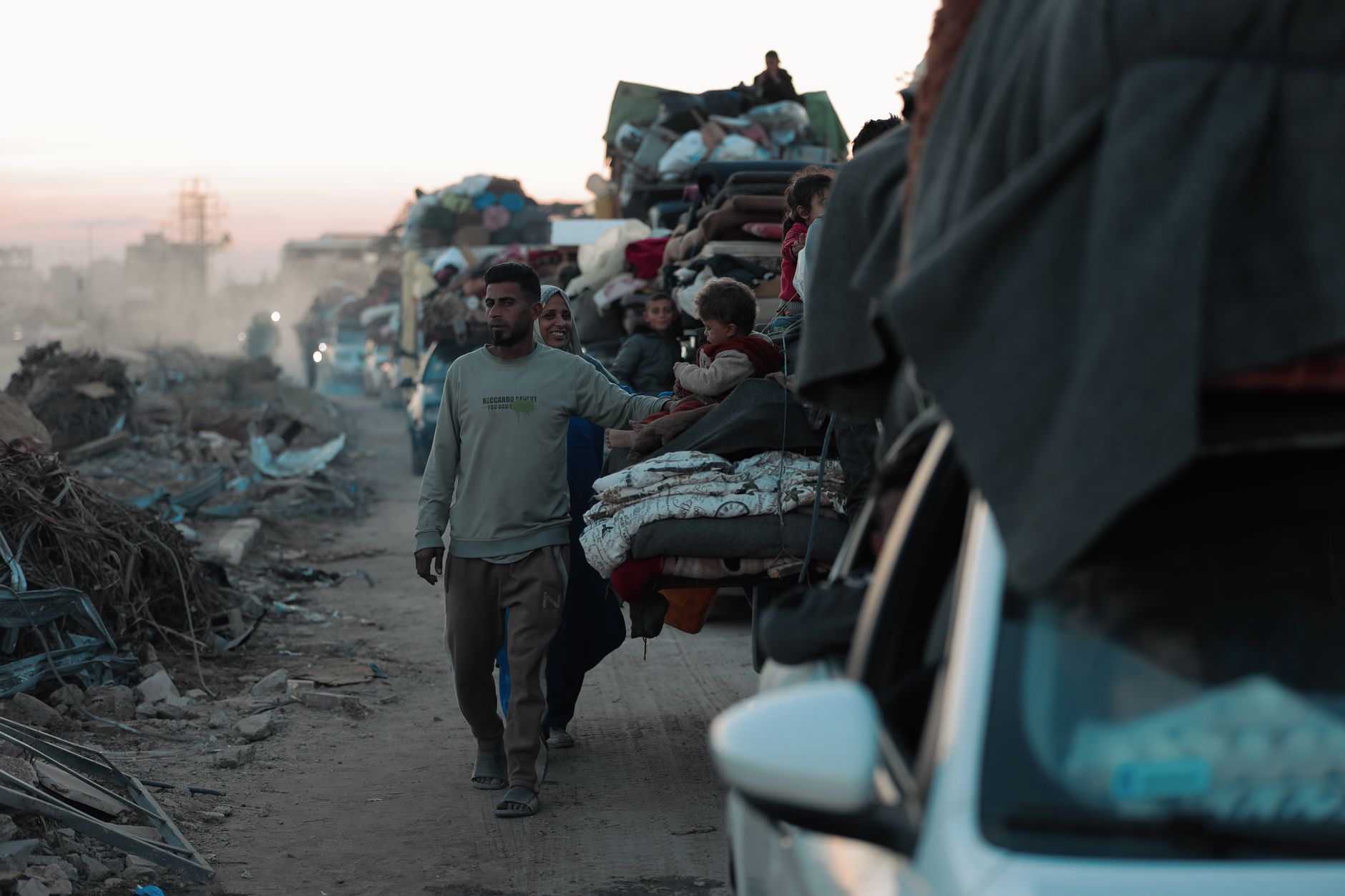
Broader figures from Sudan’s Central Bureau of Statistics show national prices 28 percent higher in September than a year earlier, with food prices jumping more than 17 percent in that month alone. In Khartoum State the annual increase reached nearly 60 percent, with a further 15 percent rise in September following 9 percent in August. Urban inflation has outpaced rural areas, hitting 40 percent or more in recent readings.
Earlier in October, sacks of sugar, groundnut oil, onions and wheat flour recorded week-on-week gains of 20 percent or more in Omdurman markets, driven partly by trade disruptions and the weakening pound, per The Sudan Times.
Currency Collapse and Supply Disruptions
The Sudanese pound has lost more than half its value since May 2026 on the parallel market that dominates transactions. Pre-war rates hovered around 600 pounds to the dollar; by May 2026 the rate reached roughly 4,000, with further weakening reported since. This depreciation directly inflates the cost of imported goods and transport, while fuel shortages have paralyzed bakeries and public transport, pushing bread prices toward 1,000 pounds per loaf in some areas, according to Sudan Tribune.
The war between the Sudanese Armed Forces and the Rapid Support Forces, which began in April 2023, destroyed productive capacity, displaced millions and fragmented markets. Although some residents have returned to Khartoum after military advances in 2025, damaged infrastructure, high freight costs and intermittent utilities continue to limit supply. Livestock losses in Khartoum State alone reached 69 to 80 percent, further reducing local dairy and meat availability.
Humanitarian Response and Broader Context
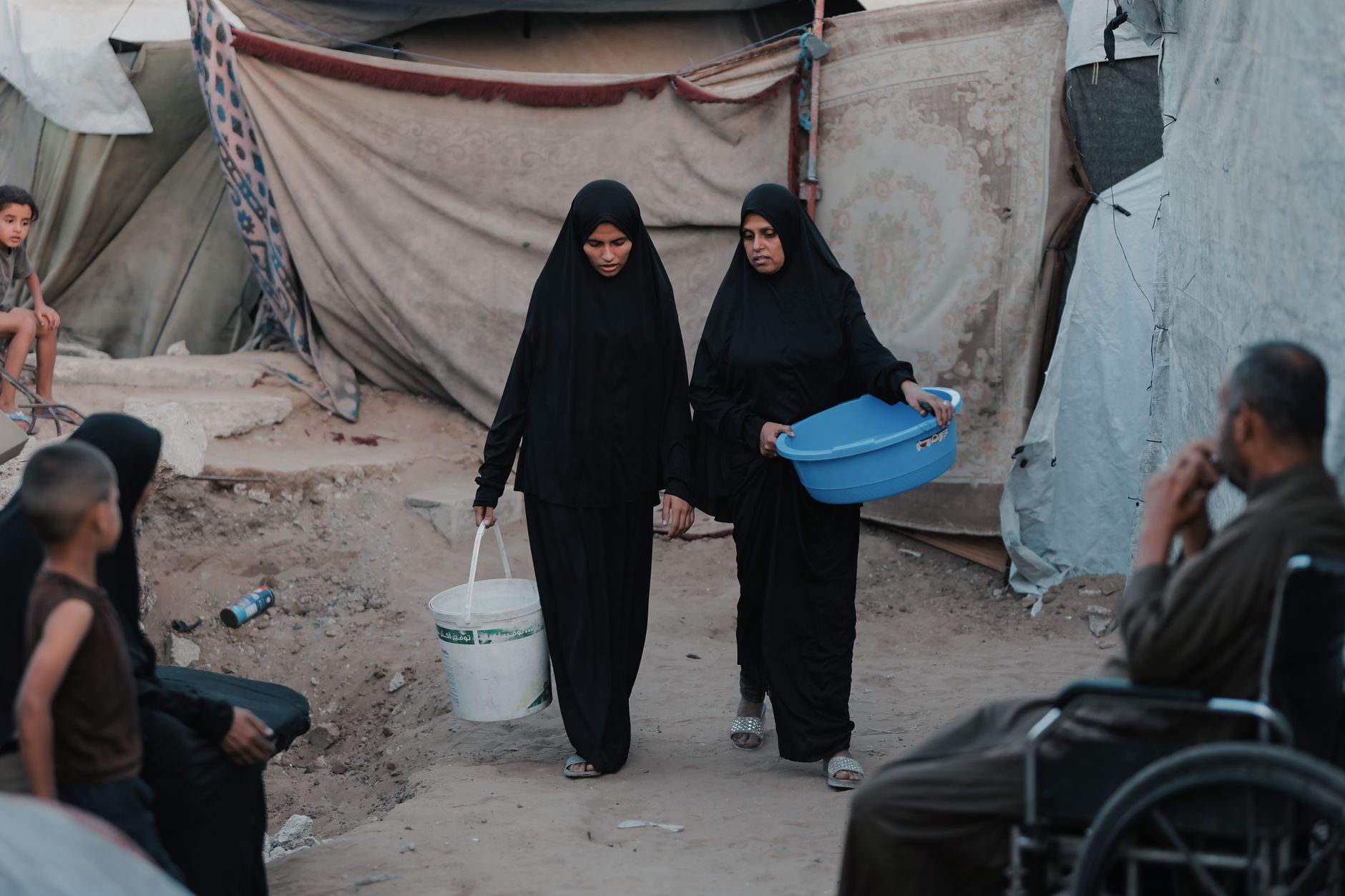
Community kitchens and international aid groups report rising demand. In December 2025, assessments found 97 percent of Khartoum households already coping with food shortages; the latest price surge has increased the number seeking assistance by 10 to 40 percent in some neighborhoods. The World Food Programme has warned of additional severe hunger cases linked to both conflict and an El Niño-driven drought that threatens harvests across parts of the country.
Similar dynamics of conflict-driven inflation and food insecurity have appeared in other regions. Conditions in Sudan echo those described in Yemen’s Taiz under siege again as food and fuel prices rise, where prolonged fighting has repeatedly driven up costs for basic goods.
Official efforts to ease pressure include lifting import restrictions on dozens of items, though analysts expect any short-term relief to be offset by continued currency weakness and transport costs. Sudan’s Central Bureau of Statistics recorded annual inflation of 28.29 percent in September, with food and drink inflation at 36.81 percent.
Outlook for Families
With the pound continuing to slide and fuel shortages persisting, many residents anticipate further cuts to already minimal meals. Returnees who hoped for stability after displacement now face daily calculations of how far limited incomes will stretch. Aid organizations stress that without increased funding and improved access, the combination of war damage, inflation and seasonal drought risks pushing more households into severe food insecurity in the months ahead.
Local volunteers and families continue to adapt by borrowing, sharing resources and seeking whatever work remains available, but the margin for survival has narrowed considerably in Khartoum.