
Hundreds of Ukrainians who endured more than four years of Russian occupation in the southern city of Oleshky returned to government-controlled territory on Saturday, describing their experience as a descent into hell marked by starvation, minefields and constant fear.
Evacuation Under Rare Ceasefire
The operation marked the first significant humanitarian truce of its kind since Russia’s full-scale invasion began in February 2022. A six-day localized ceasefire in the Kherson region enabled residents to leave the embattled town, which sits on the occupied east bank of the Dnipro River directly opposite Ukrainian-held Kherson city. BBC reporting detailed how evacuees traveled in a convoy of buses that took them through Crimea to the Russian town of Anapa, then by plane to Belarus before crossing into northern Ukraine’s Chernihiv region.
Ukraine’s ombudsman Dmytro Lubinets escorted the group and described the effort as a complex challenge that could serve as a model for future rescues. President Volodymyr Zelensky thanked U.S. first lady Melania Trump for her mediation role and noted appeals from Pope Leo XIV that helped secure the pause in fighting. The truce, which began early Tuesday and runs through Sunday evening, also allowed limited aid deliveries and mine clearance along evacuation routes.
Survival Amid Starvation and Danger
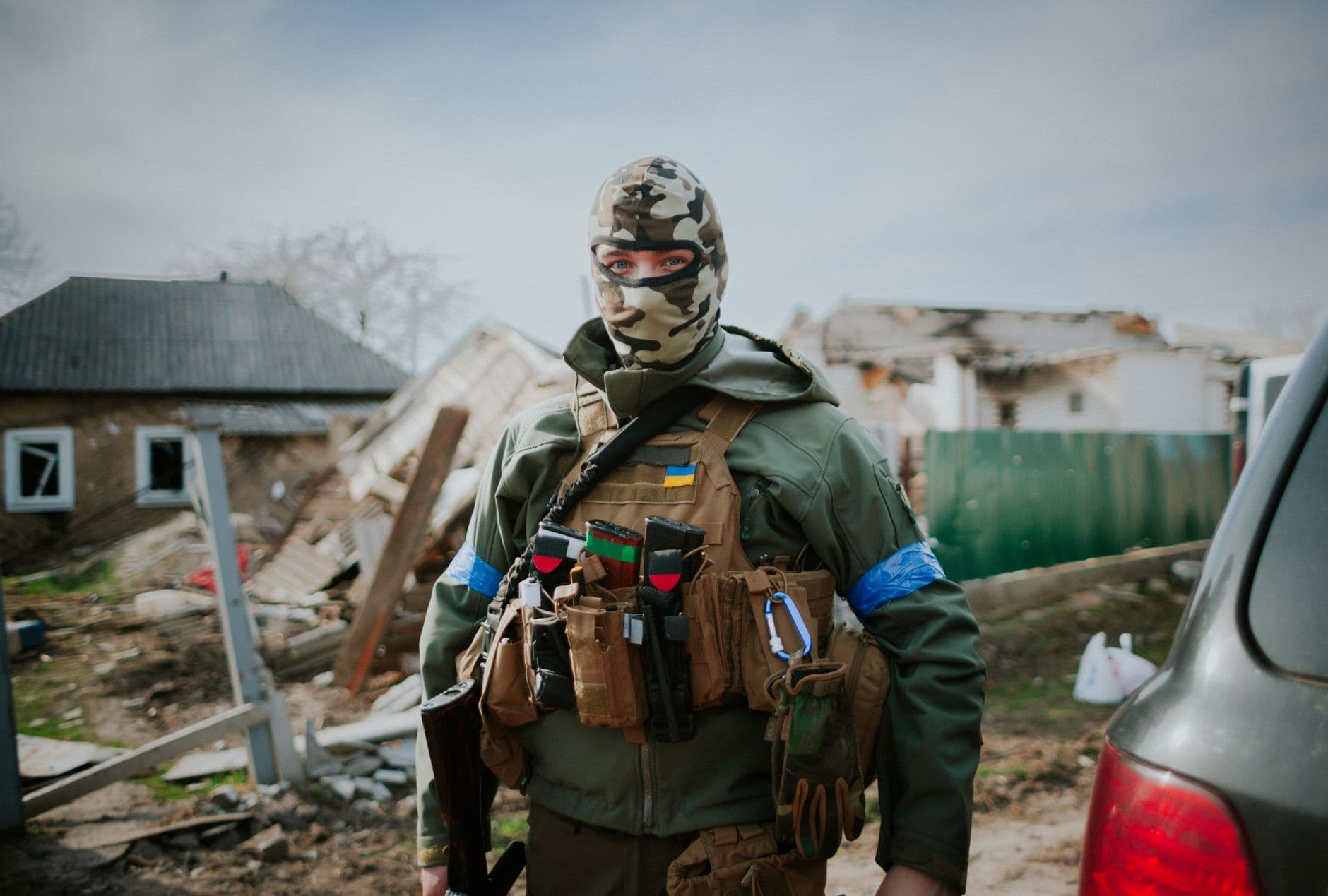
Those who remained in Oleshky after the initial fighting faced collapsing supply lines. Commercial routes failed entirely in May, leaving residents to forage for food in a landscape littered with mines. Olha, one evacuee interviewed by the BBC, recounted how people stepped on mines while searching for sustenance, with some dying or suffering severe injuries. Others too fearful to venture out cooked garden weeds or grass to survive. Reuters reported similar accounts of extreme weight loss, including one elderly man in a wheelchair who shed 20 kilograms over the past year.
Estimates placed the remaining population at between 1,700 and 2,000 people inside the city itself, with up to 6,000 including surrounding areas. The majority were elderly or bedridden. Pre-war figures stood around 24,000. The town also suffered major flooding in 2023 after the Nova Kakhovka Dam collapse, compounding the hardship under occupation that began in the first days of the invasion.
Emotional Reunions and Long Journeys
Scenes at the border crossing captured raw emotion as families reunited after years apart. One couple, Olha and Viacheslav, arrived with their adult children and dog. Viacheslav told the BBC, “We came back from hell.” Another evacuee, 75-year-old Oleksandr Styopin, echoed the sentiment upon arrival: “We are coming from hell. It’s a kill zone there.” Additional coverage described gaunt faces, dark circles under eyes from sleepless nights, and tearful embraces wrapped in Ukrainian flags.
The journey itself spanned roughly 24 hours and passed through three countries. Buses carried up to 750 people on the initial leg, with ambulances for those with limited mobility. A four-hour window on Friday allowed departures. Some residents chose to stay behind, either out of attachment to home or skepticism about the truce holding. Officials offered the option of relocation to Russian-held areas or remaining with replenished supplies.
Broader Context of the Conflict
Oleshky’s position has made it a persistent flashpoint. Russian forces have maintained control while Ukrainian troops operate on the opposite bank, leading to relentless shelling and drone activity. The city’s isolation intensified after supply disruptions, pushing civilians to the brink of famine as winter approaches. Similar localized humanitarian pauses have occurred sporadically elsewhere, but this operation stands out for its scale and the involvement of high-level international figures.
Ukraine’s foreign minister Andrii Sybiha had warned in September that residents were surviving on grass and weeds while medicines, clean water and electricity grew scarce. The evacuation provides an immediate lifeline, though questions remain about long-term support for arrivals who have no relatives elsewhere in Ukraine. Many plan to stay temporarily with acquaintances while rebuilding.
Analysts note that such pauses remain rare in a conflict now in its fifth year. Past prisoner exchanges and limited aid corridors have succeeded through quiet diplomacy, yet sustained ceasefires have proven elusive. The Oleshky mission highlights how targeted humanitarian access can still save lives even amid broader hostilities.
What Comes Next
Arrivals received immediate medical checks, food and temporary housing assistance from Ukrainian services, the Red Cross and other groups. Zelensky emphasized that global attention helped make the rescue possible and expressed hope that humanitarian corridors would stay open. Lubinets indicated the operation could pave the way for additional evacuations if conditions allow.
Residents who stayed in Oleshky continue to face uncertainty. Russian authorities reportedly offered some incentives to remain, while Ukrainian officials stress that those who wish to leave later may have further opportunities. The ceasefire’s expiration on Sunday leaves the front line tense once more, with no indication of wider de-escalation.
For the hundreds who crossed back, the return represents survival after prolonged isolation. Their accounts underscore the human cost of prolonged occupation in contested areas and the fragile nature of even brief respites in the war.