
Global oil reserves are not positioned to absorb a renewed or extended US-Iran war without significant supply shortfalls and price spikes. Emergency and commercial stocks have fallen to multi-decade lows after the conflict that began in February 2026 drained more than a billion barrels from inventories worldwide.
Depleted Buffers After Months of Disruption
The war triggered a near-total closure of the Strait of Hormuz, through which a large share of global oil and liquefied natural gas normally flows. Saudi Aramco chief executive Amin Nasser told the Energy Intelligence Forum in London that the world had lost nearly 3 billion barrels of gross oil supply since the conflict began, equivalent to roughly half the crude and oil products that would normally have moved through the Strait of Hormuz over the same period. Global inventories stood at 3.35 billion barrels in October, the lowest level on record since January 2017, according to Kpler.
Aaron Kildow, a senior crude oil analyst at Sparta Commodities, told Al Jazeera that global strategic stocks excluding China and Iran have fallen by nearly 327 million barrels since the end of December 2025, with the US, Europe and Japan accounting for about 95 percent of the draw. He estimated that leaves only about 400 million barrels of usable reserves worldwide, excluding China’s stockpile, which is unlikely to be exported, and Gulf stocks, which could be cut off by a total closure of Hormuz. Nearly half of these available stocks are in Japan. Analysts say the world may have only a month or two if Hormuz shuts again.
Strategic Releases and Their Limits
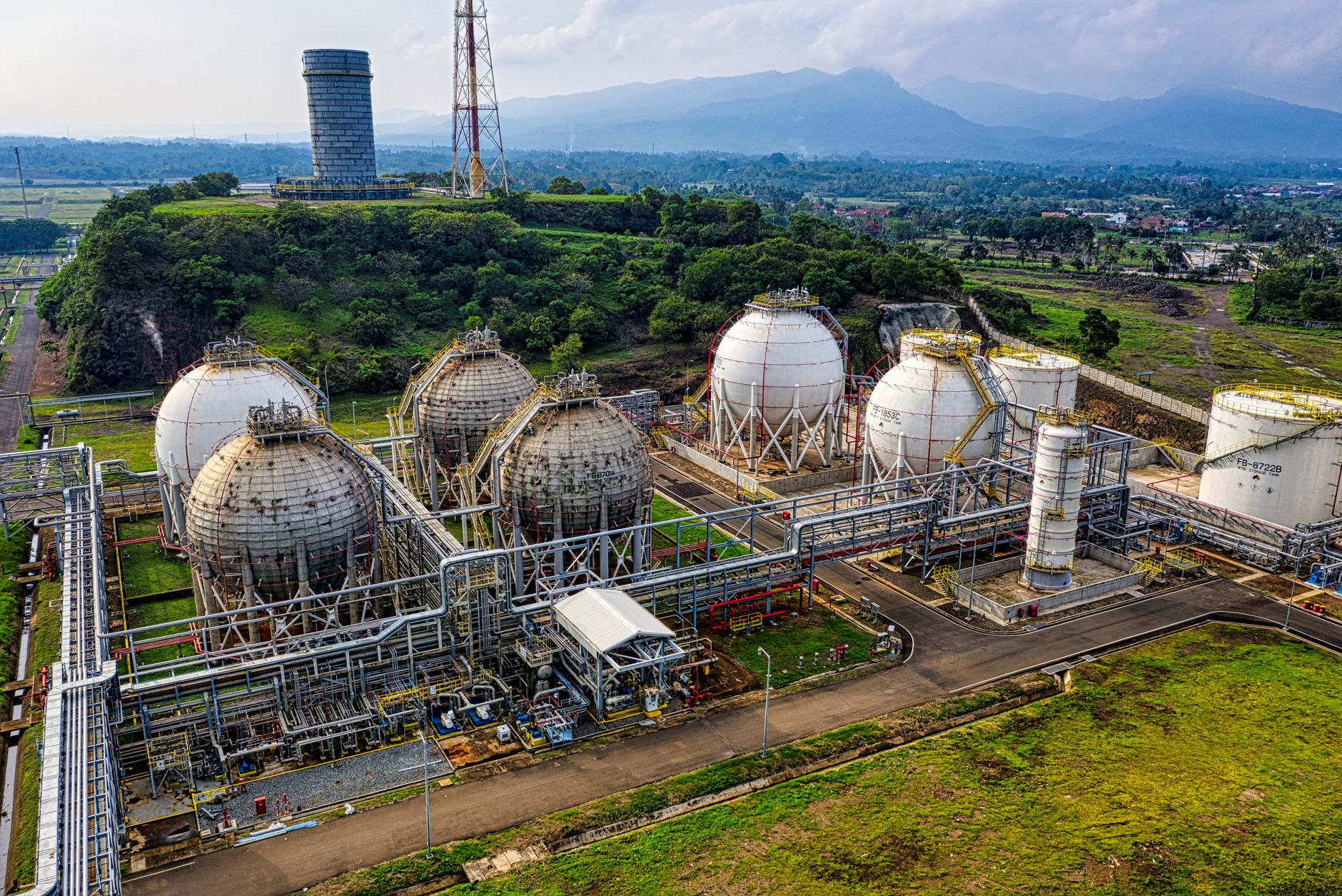
The International Energy Agency coordinated a record 400-million-barrel release from member reserves in March, the largest such action in its history. The United States contributed 172 million barrels from its Strategic Petroleum Reserve. Additional releases of 100 million barrels of crude and diesel are now in preparation. Despite these measures, the US SPR stands at its lowest level since 1982, around 283.8 million barrels according to recent data. The world has absorbed with surprising ease the loss of over a billion barrels of oil supply since the Iran war began, but, with long-term peace elusive and buffer reserves now drained, it still faces the looming risk of future price spikes.
China holds the largest estimated stockpile at roughly 1.4 billion barrels, more than the combined holdings of IEA members before the releases. However, these reserves are not expected to enter the global market in a crisis. Commercial inventories outside strategic stockpiles have also tightened sharply, with onshore stocks at their lowest since at least 2016 in some reports.
Impact on Markets and Importers
Oil prices have remained elevated above $100 per barrel for much of the period, with Brent recently trading near five-month highs amid renewed attacks and inventory draws. Refined products such as diesel and gasoline have faced even tighter conditions, with US gasoline inventories near historically low seasonal levels. Asia and Europe, heavy importers of Middle Eastern crude, have been most exposed, though rerouted exports from Saudi Arabia and the UAE, along with reduced Chinese buying, helped prevent immediate shortages.
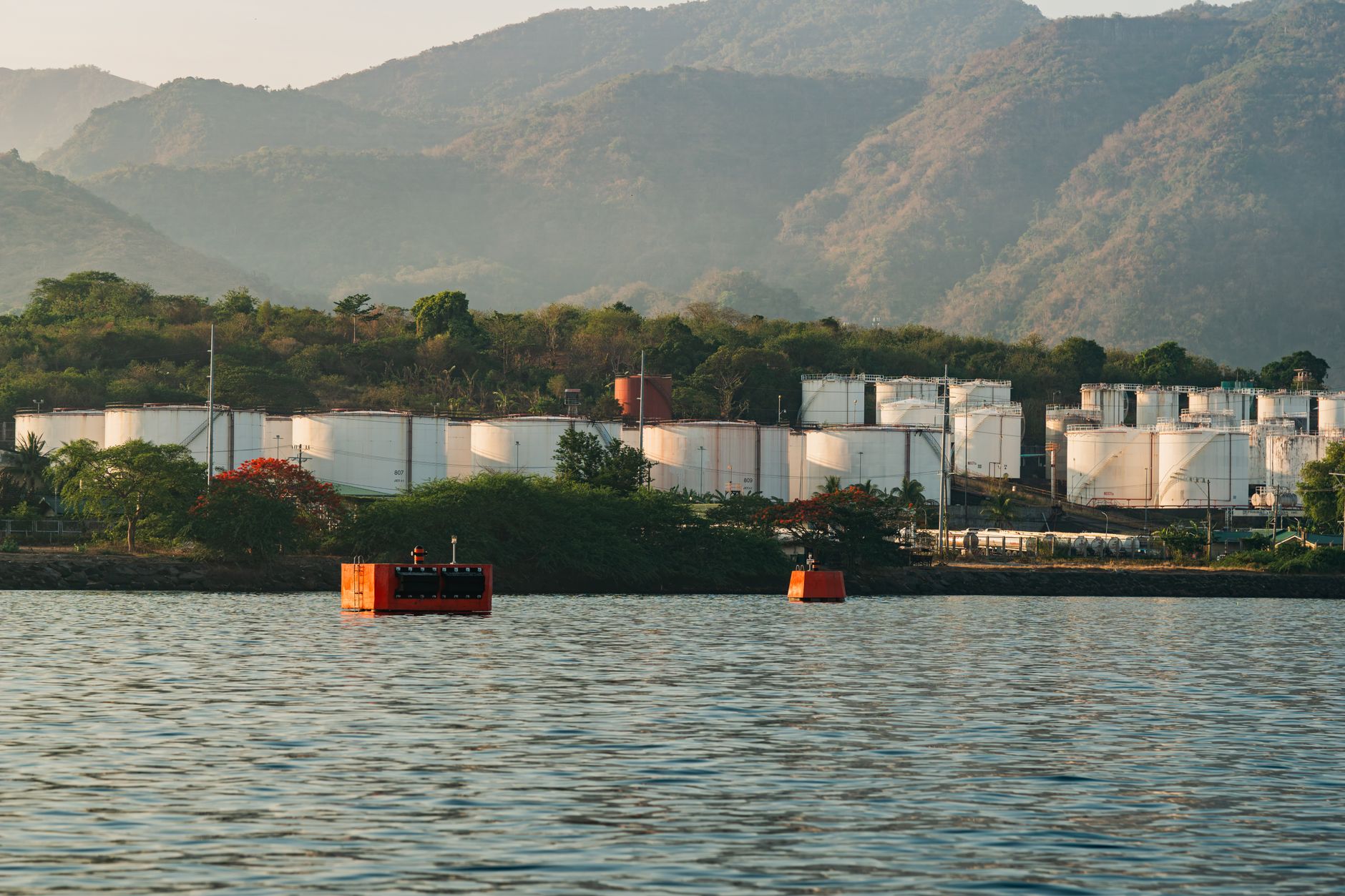
The US has emerged as a supplier of last resort through increased exports, yet this has further drawn down domestic commercial stocks. Global observed inventories fell by 507 million barrels or more since February in some estimates. Rebuilding these buffers could take years even after supply normalizes.
Comparison to Past Events and Outlook
The scale of the cumulative loss exceeds many previous disruptions, though the market avoided the worst-case fuel shortages seen in earlier crises thanks to lower demand in some regions and alternative routing. Similar to the approach Global Oil Reserves Face Scrutiny as US-Iran Tensions Escalate covered in recent reporting, current conditions highlight how thin the remaining cushion has become. Experts warn that a protracted conflict would leave the global economy less fortunate than in the initial months, when prices peaked around $126 per barrel before easing somewhat.
Winter demand and any further attacks on shipping or infrastructure could accelerate depletion. The IEA requires members to hold at least 90 days of net imports, but many are approaching operational floors. Replenishment faces both technical limits in storage caverns and high prices that discourage rapid restocking.
Analysts at firms including Kpler and Sparta Commodities, along with industry voices from Saudi Aramco and the IEA, consistently point to weeks or a few months of coverage at best under renewed full disruption. The combination of depleted strategic reserves, strained commercial stocks, and ongoing geopolitical risks means any escalation would test the system more severely than the initial phase of the war.