
Australia's landmark ban preventing children under 16 from holding accounts on major social media platforms faced its first significant constitutional test this week as the High Court of Australia heard arguments from Reddit and a digital rights group.
The two-day hearing before the full bench of seven justices began on November 2, 2026, in Canberra. Challengers contend that the law, which took effect on December 10, 2025, impermissibly restricts the implied freedom of political communication protected under the Australian Constitution.
Background on the Ban and Its Implementation
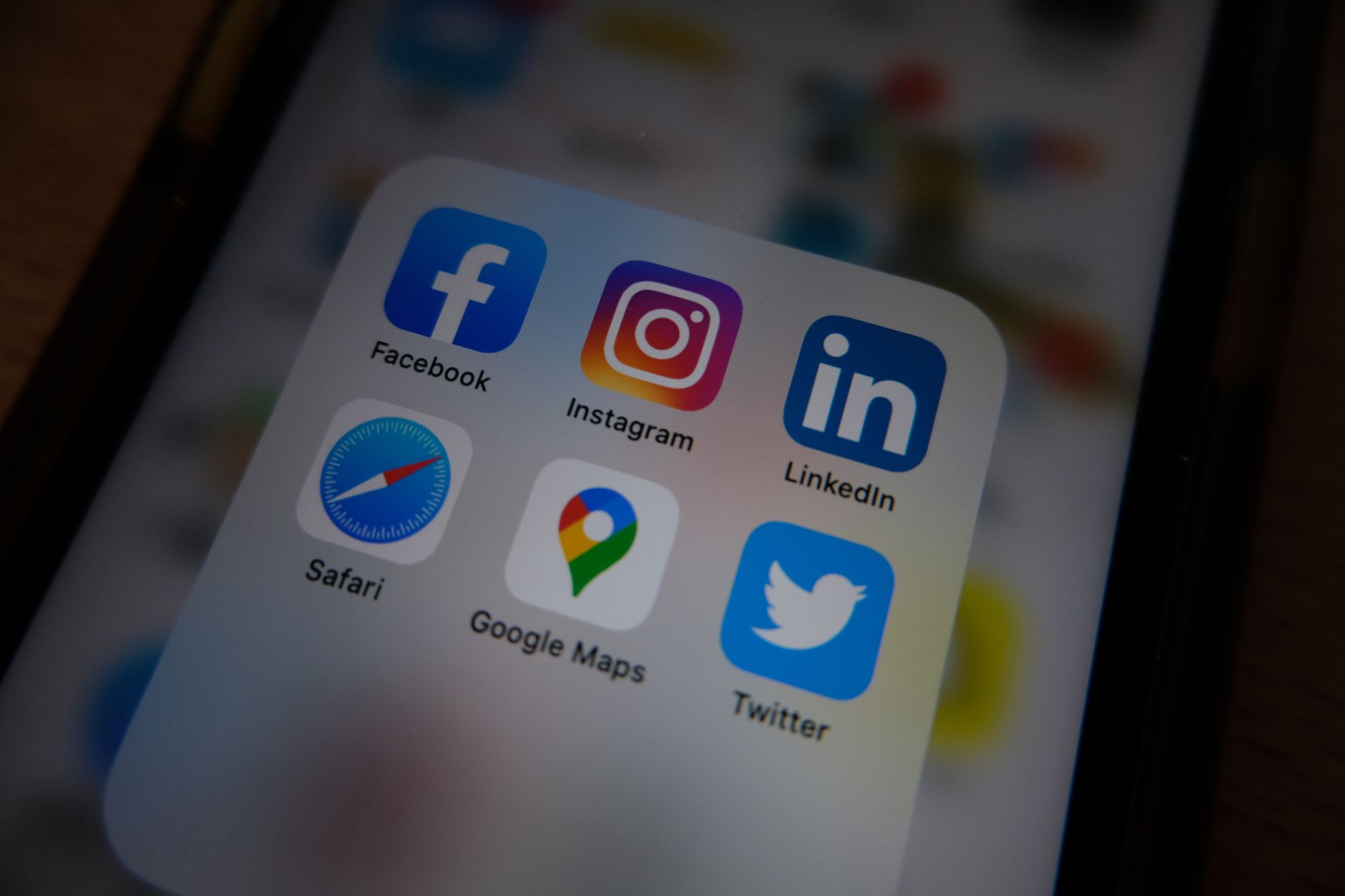
The policy applies to ten specified platforms: Facebook, Instagram, TikTok, YouTube, Reddit, Snapchat, X, Kick, Threads and Twitch. These services must take reasonable steps to prevent users under 16 from having accounts, with substantial fines possible for non-compliance. Prime Minister Anthony Albanese has stated that more than 5 million accounts across the platforms have been suspended since the ban began.
The measure emerged from broader online safety reforms pursued by the Australian government. It passed amid parental support for protecting young people from harmful content and addictive design features, though technology companies raised concerns throughout the process. The legislation was introduced in late 2024 and implemented the following December after limited consultation periods, according to submissions in the current case.
Arguments Presented by Challengers
Reddit, represented by counsel Perry Herzfeld SC, described the law as "ill thought out" and "inept." The company argued that barring under-16s from accounts creates a profound restriction on political debate, as social media serves as a primary means of communication and access to news for young Australians. Herzfeld noted that the ban does not target specific harms effectively and fails to address other online spaces where issues like cyberbullying occur, such as gaming sites.
Reddit further contended that it should not fall under the definition of an age-restricted social media platform due to its forum-based structure, which differs from platforms centered on friend networks or algorithmic feeds. The platform agreed with the goal of harm minimization but maintained that the law does not achieve it and imposes unnecessary burdens on expression.
The Digital Freedom Project, led by New South Wales state Libertarian MP John Ruddick, advanced similar claims focused on the implied freedom of political communication. The group initially included two teenagers, Noah Jones and Macey Nyland (also referred to as Macy Neyland), as plaintiffs, but both were withdrawn from the case in July 2026. Jones, now 16, attended the hearing as a founding member of the project. The organization asserts that the rushed passage of the law contradicted advice from the eSafety Commissioner and recommendations from prior parliamentary inquiries.
Government's Defense and Court Proceedings
Government lawyers, including Joanna Davidson SC, began outlining the case for the ban by highlighting risks posed by social media design features such as algorithmic recommendations, endless scrolling, persistent notifications and feedback mechanisms like likes. They emphasized children's developing brains as particularly vulnerable and argued that parliament could act without exhaustive additional proof of harm.
Communications Minister Anika Wells stated that the government is defending a fundamental right of children to be free from harm against ideological attacks. The hearing included judicial questioning on whether young people engage sufficiently in political matters for the restriction to have a substantial effect and whether alternatives like email or messaging apps suffice for communication.
Justices probed the extent to which the ban limits wider audiences for political views online, contrasting this with historical examples of youth influence predating social media. The government has since increased maximum fines to A$99 million per breach and enhanced enforcement powers for the eSafety Commissioner while preparing potential lawsuits against platforms.
Effectiveness and Broader Context

Studies, including those from the eSafety Commissioner, indicate that a significant portion of Australian teenagers under 16 continue to access social media despite the ban. One report found that four in ten children aged 10 to 15 remained active three months after implementation, down from 52 percent previously. This has prompted discussions about enforcement challenges and the law's practical impact.
The case represents the first major legal scrutiny of the world-first policy, which has drawn international attention. Challengers have pointed to less restrictive alternatives, such as regulating platform design features or imposing time limits, rather than a blanket account prohibition. The High Court will need to assess whether any burden on political communication is justified by the law's protective purpose.
Proceedings concluded on November 3, 2026, with a ruling expected in the coming months. The outcome could influence similar age-restriction efforts globally and clarify the scope of Australia's implied freedom of political communication in the digital age. Observers note that the court has historically balanced such rights against legitimate legislative objectives, though the application to minors and online platforms presents novel questions.
Implications for Platforms and Users
Platforms have complied while pursuing the challenge, with Reddit specifically seeking either invalidation of the relevant provisions or exclusion from the listed services. The ban does not apply to certain messaging apps like WhatsApp or Discord, highlighting debates over precise definitions of social media.
For young Australians, the restrictions limit access to platforms used for news, political discussion and community engagement. Proponents argue this protects against documented harms, while opponents emphasize the value of open communication channels. The government's ongoing digital duty of care legislation aims to complement the ban by placing proactive responsibilities on platforms.
As the High Court deliberates, the case underscores tensions between child protection priorities and constitutional protections in an era of rapid technological change. Multiple state attorneys-general have intervened, reflecting the national significance of the constitutional issues at stake.