


NASA's Neil Gehrels Swift Observatory is on track to reenter Earth's atmosphere around Friday, November 6, 2026, after more than 22 years in orbit. The aging space telescope, which has tracked some of the universe's most violent events, ended science operations in late October when its orbit dropped too low for reliable observations.
Swift's Mission and Achievements
Launched on November 20, 2004, the observatory was designed for a two-year primary mission focused on gamma-ray bursts, the brightest explosions in the universe. It quickly became a key tool for astronomers, detecting more than 2,000 such bursts and studying over 1,400 supernova explosions. The spacecraft contributed to approximately 7,000 scientific papers during its lifetime, according to reports from Interesting Engineering.
Swift earned its reputation as a cosmic first responder. It could rapidly repoint its telescopes toward new high-energy events within about a minute of detection, alerting larger observatories like Hubble and Webb for follow-up observations. Its public archive holds 12 terabytes of data, including nearly 22 years of observations and more than 1.5 million ultraviolet and optical images.
The observatory was renamed the Neil Gehrels Swift Observatory in 2018 to honor the late astrophysicist who played a central role in its development. Over the years it also observed comets, asteroids, and black holes tearing apart stars, providing a versatile platform for high-energy astrophysics.
Why the Orbit Decayed
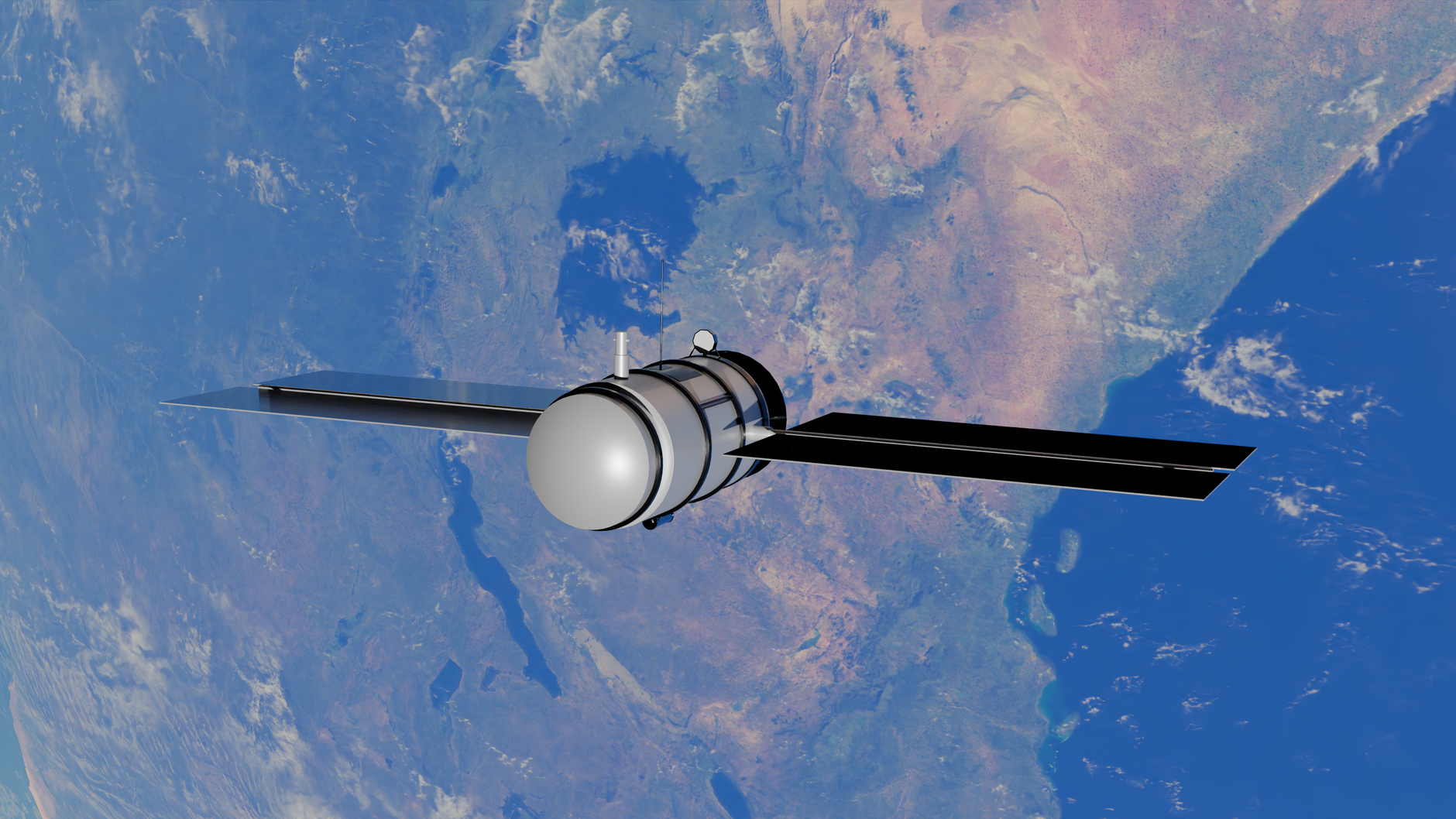
All satellites in low Earth orbit experience atmospheric drag, but recent intense solar activity has accelerated the process for Swift. Heightened solar output expands Earth's upper atmosphere, increasing drag on objects at Swift's altitude. The spacecraft began sinking more rapidly in recent years, prompting NASA to consider intervention.
By mid-October 2026, Swift had descended to about 171 miles (275 kilometers) above Earth. At that altitude, it could no longer maintain stable pointing for its instruments. Science operations concluded with a final observation on October 20, and the spacecraft was commanded into safe mode shortly afterward, as detailed in NASA's official mission update.
Failed Rescue Attempt
NASA contracted Arizona-based Katalyst Space Technologies roughly a year earlier to attempt an orbital boost. The company's three-armed robotic spacecraft, named Link, launched in July 2026 but encountered propulsion and maneuvering problems. It approached within roughly 7 to 9 miles (12 to 15 kilometers) of Swift before the mission was abandoned. Link itself reentered Earth's atmosphere in September.
After the rescue effort ended, Swift briefly resumed observations, capturing additional gamma-ray bursts before the orbit became untenable. The U.S. Space Force has been tracking the spacecraft's final descent, with reentry now forecast for or around November 6.
Reentry Expectations and Risks
Most of the 1.5-ton spacecraft is expected to burn up during reentry. However, denser components such as tungsten parts, which are heavier than lead, and some mirror fragments could survive the fiery plunge, according to mission chief scientist Brad Cenko. Any surviving debris is most likely to fall into the ocean, though possible impact zones include parts of Africa, Australia, India, Southeast Asia, and Central and South America.
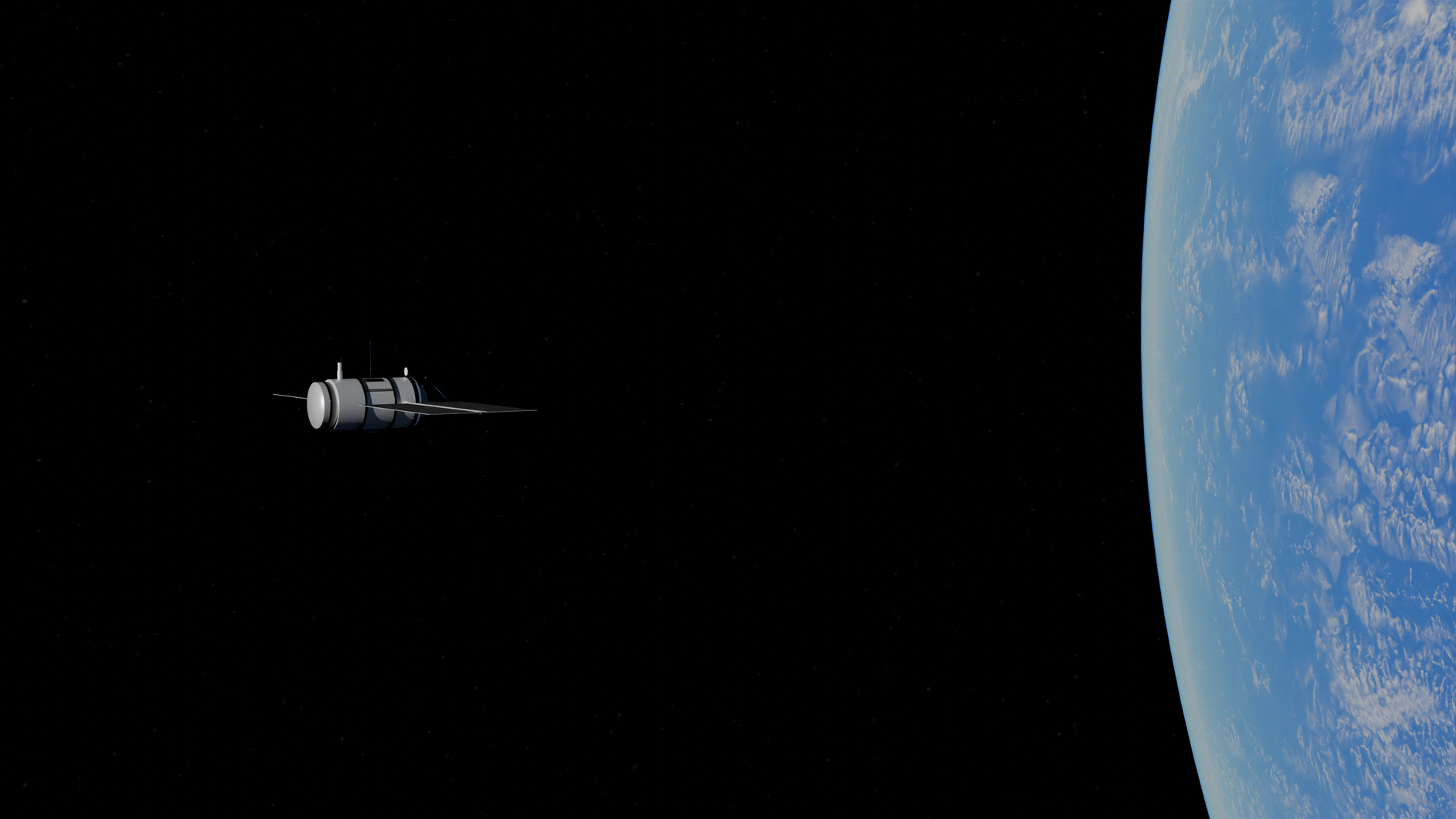
The risk to people on the ground remains low, consistent with the majority of uncontrolled satellite reentries. The Space Force continues to monitor the trajectory for any last-minute adjustments to the prediction window.
Legacy and Broader Context
Swift far exceeded its original design life, operating more than ten times longer than planned. Its data archive will continue yielding discoveries for years as researchers mine the observations. The mission demonstrated the value of rapid-response astronomy and multi-wavelength coordination in studying transient cosmic phenomena.
The end of Swift comes amid heightened awareness of orbital sustainability. Increased solar activity during the current solar maximum has affected multiple satellites, shortening operational lifetimes and hastening reentries. Similar dynamics have influenced other missions, underscoring the challenges of operating in low Earth orbit without propulsion systems for orbit maintenance.
While Swift's hardware will soon be gone, its scientific contributions endure through the extensive body of research it enabled and the public data repository it leaves behind. Astronomers are already planning how to fill observational gaps left by its departure, relying on newer facilities and international partnerships to continue monitoring the high-energy universe.
The spacecraft's controlled shutdown and impending reentry reflect standard end-of-life procedures for low-Earth-orbit assets. NASA and partner agencies emphasize responsible disposal to minimize long-term debris risks, even as natural drag brings many aging satellites home without active intervention.