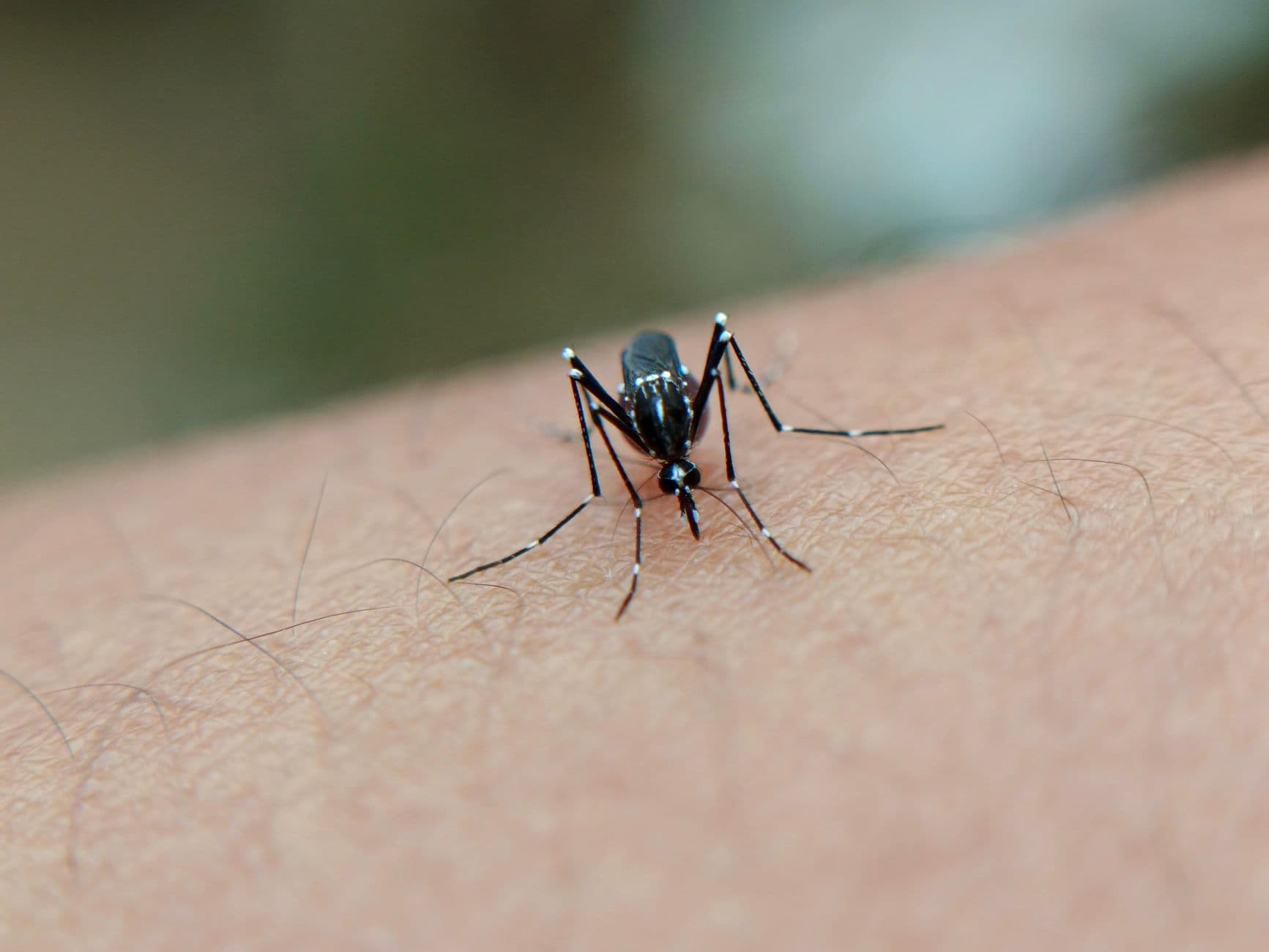


French health and agriculture ministries announced on October 22 that a patient treated at the Hospices Civils de Lyon had contracted the Shamonda virus, marking the first known human case worldwide. The individual, who was severely immunocompromised and receiving care for a serious illness, died in early October. Neurological complications observed before death are considered very likely linked to the infection based on initial findings.
Details of the Case and Official Response
The ministries described the infection as an exceptional occurrence tied to the patient's weakened immune system. They stated that no health risk to the general population has been identified at this stage. The leading hypothesis points to transmission via the bite of a Culicoides midge in eastern France, where the virus had been circulating among animals during spring and summer 2026. Clinical, biological, and epidemiological investigations continue under a One Health framework that integrates human, animal, and environmental health expertise.
Authorities have notified the World Health Organization and the European Centre for Disease Prevention and Control. The ECDC confirmed it is monitoring the situation and working with French and other European partners to assess any broader public health implications.
Background on Shamonda Virus

Shamonda virus, an orthobunyavirus, has circulated for decades in Africa and Asia without any documented human infections until now. It was first identified in Nigeria in the mid-1960s. The virus primarily affects cattle, causing fever, diarrhea, and reduced milk production. It has also been found in sheep, goats, alpacas, and horses. Transmission occurs through infected biting midges, with no commercially available vaccines reported by the World Organisation for Animal Health.
The virus reached Europe for the first time in summer 2026. Genomic testing confirmed cases in cattle in southern Germany, Switzerland, and eastern France by late July. Subsequent surveillance detected it across additional countries including Austria, Belgium, Ireland, Italy, Liechtenstein, Luxembourg, the Netherlands, Portugal, Slovenia, Spain, and the United Kingdom's Jersey.
Impact on Livestock and European Spread
In affected French dairy herds, milk output reportedly fell by up to 75 percent in some cases, highlighting economic consequences for farmers. The virus's arrival in Europe has prompted heightened animal health surveillance, with sporadic infections noted in small ruminants and equids alongside the main cattle cases in regions such as the Doubs, Jura, Savoie, Haute-Savoie, and Ain departments.
Similar vector-borne diseases have challenged health systems elsewhere. The situation echoes aspects of the ongoing dengue outbreak in Bangladesh, where deaths have surpassed 233 amid a deadly 2026 surge, underscoring the broader challenges of monitoring and responding to emerging or expanding arboviral threats.
Investigations and Context for Immunocompromised Patients

Officials emphasize that the case involved a patient with severe immunosuppression, which likely increased vulnerability. Investigations remain active into the precise mode of acquisition and the virus's potential role in the patient's death. Until this incident, Shamonda virus had been viewed as non-transmissible to humans despite its long presence in animal populations across continents.
Public health messaging stresses the isolated nature of the event. No evidence of human-to-human transmission has emerged, and the general population faces no identified risk based on current knowledge. The ECDC and French partners continue to evaluate whether any adjustments to surveillance or guidance are warranted.
Broader Implications for Vector-Borne Diseases
This development occurs against a backdrop of expanding ranges for midge- and mosquito-borne pathogens in Europe, influenced by climate and trade factors. Shamonda's European foothold since summer 2026 has already led to coordinated responses across borders. Continued monitoring will focus on animal reservoirs, vector populations, and any shifts in viral behavior.
Health authorities advise standard precautions against insect bites in affected areas, particularly for those with compromised immunity. Livestock owners in impacted regions are encouraged to report unusual symptoms in herds promptly. As investigations proceed, updates from the ministries and ECDC will provide further clarity on the virus's public health profile.