

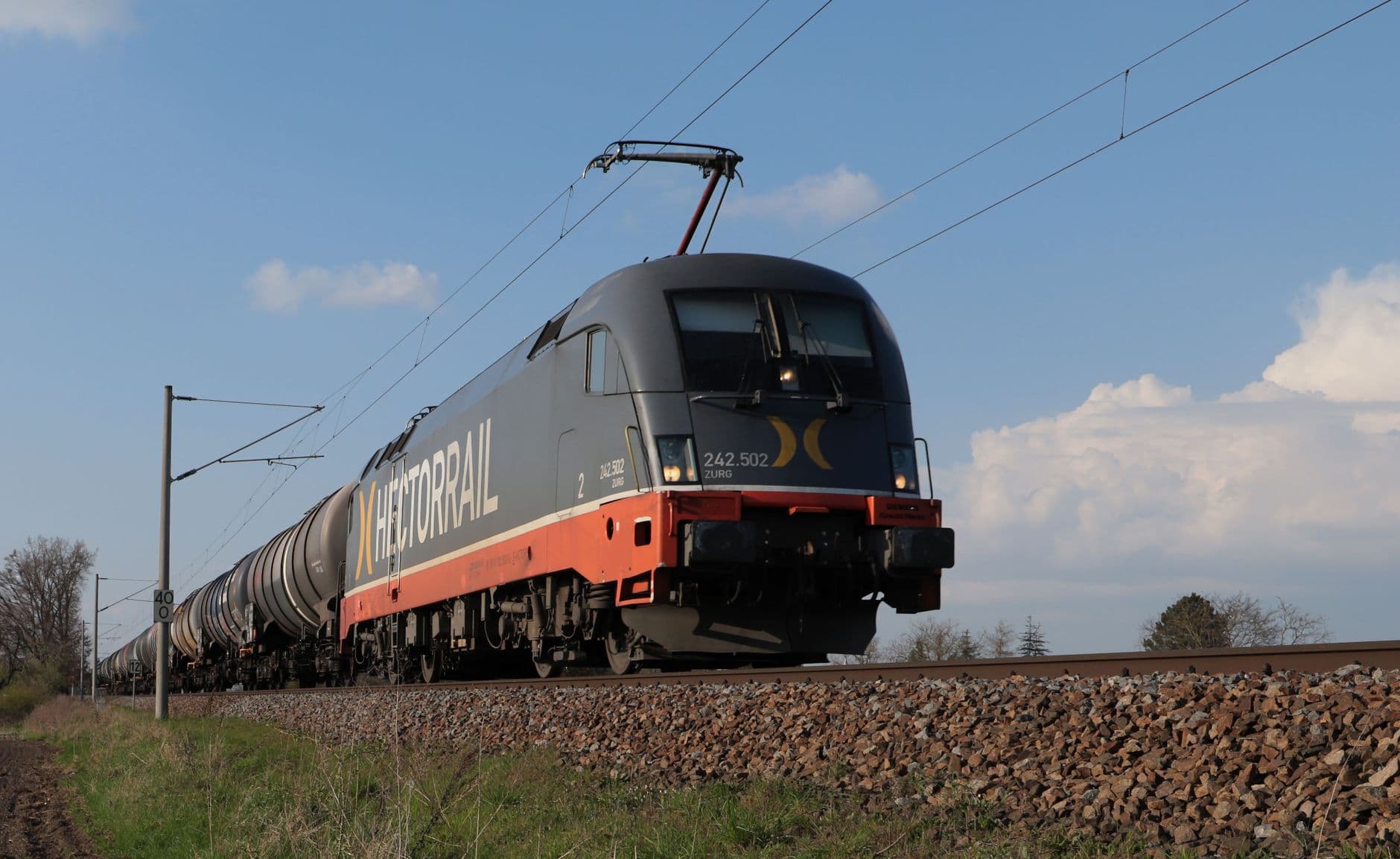
US President Donald Trump announced on October 9, 2026, a deal under which Russia would supply hundreds of thousands of tonnes of diesel to global markets, prompting the US Treasury to issue a temporary suspension of sanctions on Russian diesel exports until April 7.
The arrangement calls for an initial release of 300,000 tonnes immediately, followed by 500,000 tonnes in November and one million tonnes thereafter, with the stated aim of easing high fuel prices ahead of US midterm elections.

Ukrainian President Volodymyr Zelensky condemned the move as a “gift to Putin” and a “weak decision by our strong partners,” arguing it would provide Moscow with additional revenues to continue its war against Ukraine.
Trump responded by suggesting it was “time for Ukraine to get a new president,” while European Union foreign policy chief Kaja Kallas stated that suspending sanctions “provides Moscow with more revenues to wage war” and that “Europe won’t” ease pressure on Russia.

The European Commission indicated that funding for Ukraine would be a central topic at the upcoming European Council summit, as EU member states prepare what officials described as the bloc’s largest sanctions package against Russia since the full-scale invasion began.
Analysts noted that the decision marks a significant policy shift from earlier US efforts to restrict Russian energy revenues and has strained coordination between Washington and its European allies on supporting Ukraine.