

France allocates a larger share of its economy to education than the European Union average when measured by public spending, though rankings vary depending on whether private contributions are included.
Public Spending Figures
According to the latest data from Eurostat, France’s public spending on education amounts to 5.1 percent of GDP. This places the country joint 13th among European nations, level with the Netherlands and Slovakia, and above the EU average of 4.8 percent.
By comparison, Sweden leads European countries at 7.3 percent of GDP, followed by Iceland at 7 percent and Belgium, Estonia, and Finland at 6.3 percent each. The lowest shares are recorded in Ireland at 2.7 percent, Greece at 3.9 percent, Romania and Italy at 4 percent each, and the United Kingdom and Spain at 4.1 percent each.
Total Expenditure Including Private Sources
Broader measures that include private spending show France dedicating 199.2 billion euros to education in 2025, equivalent to 6.7 percent of GDP. This represents an increase of 2.4 billion euros from 2024, according to provisional figures from the French National Education Ministry.
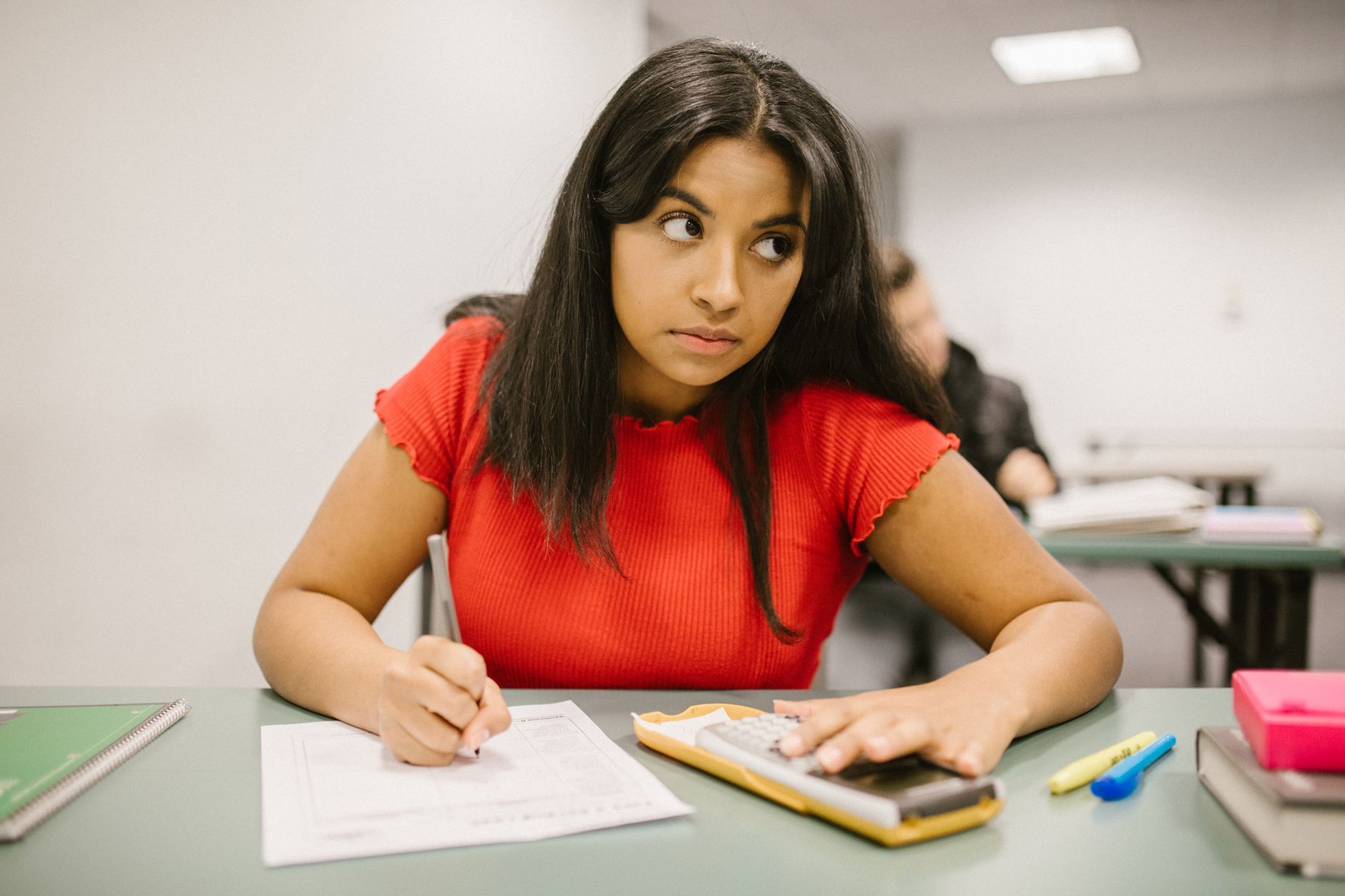
The ministry data indicate that the state remains the primary funder at 55 percent, followed by local authorities at 23 percent, with businesses and households contributing 10 percent and 8 percent respectively. Average spending per pupil or student reaches 11,140 euros, rising from 9,440 euros in primary education to 11,780 euros in secondary and 13,350 euros in higher education.
Context and Trends
France’s education spending has more than doubled since 1980 in real terms, though its share of GDP has fluctuated with economic growth. Secondary education accounts for the largest portion of outlays, followed by primary and higher education. These figures come amid ongoing debates in France about education funding, teacher shortages, and student protests, though spending levels have not insulated the system from challenges common across OECD countries.
Broader European and OECD Comparisons
Eurostat’s most recent aggregate data for 2023 show the EU public education spend at 4.7 percent of GDP, stable from 2022 but down slightly from the 2020 peak of 5.0 percent. Sweden, Finland, and Belgium top the list there as well. France’s position above the average holds across recent releases. OECD-wide, total public and private investment averages 4.2 percent of GDP, with staff compensation making up about two-thirds of spending on average.
Per-pupil outlays in France for secondary education exceed the OECD benchmark by roughly 27 percent when including both public and private sources, according to the latest Education at a Glance report. Primary-level spending sits closer to or slightly below the mean. These differences reflect France’s emphasis on secondary schooling and its centralized funding model that covers substantial pension contributions for teachers.
Challenges Despite Higher Spending
Teacher shortages persist across OECD nations, including France, prompting some districts to hire under-qualified staff. Recent ministry reports note stable overall funding shares of GDP even as absolute euros hit record levels. Local authorities have slowed non-investment education outlays, focusing instead on school infrastructure upgrades.
Student protests and union concerns over class sizes, pay, and curriculum reforms continue to feature in national debates. Historical data show real-terms doubling of the education budget since 1980, driven by enrollment growth, smaller class targets, and rising teacher compensation. Yet outcomes in international assessments like PISA remain mixed, underscoring that spending volume alone does not guarantee performance gains.
Funding Breakdown and Future Outlook
The state’s 55 percent share covers the bulk of teacher salaries and national programs. Local governments handle facilities and some operational costs. Businesses contribute through apprenticeship levies, while households pay for extras such as private tutoring or non-mandatory fees. The 2025 total of 199.2 billion euros marks a modest 0.1 percent real-terms increase after inflation adjustment.
Looking ahead, demographic shifts with fewer school-age children in some regions could ease pressure on budgets, while demands for digital infrastructure, vocational training expansion, and support for disadvantaged students may push costs higher. Policymakers continue to weigh efficiency measures against calls for further investment to address equity gaps.
Independent analyses from the French statistical institute and European Commission reports confirm the ministry’s headline numbers. Cross-checks with OECD indicators highlight France’s relatively generous secondary funding alongside average or below-average primary allocations compared with peers.