
Scientists have recovered ancient human nuclear DNA directly from cave sediment in northern Spain, yielding genetic details about people who lived roughly 22,000 years ago during one of the coldest phases of the last Ice Age. The find comes from a layer in El Mirón Cave in Cantabria with no associated human bones or teeth, demonstrating the growing power of sedimentary ancient DNA, or sedaDNA, techniques to fill gaps in the sparse fossil record of Upper Paleolithic Europe.
The study, led by researchers at the University of Vienna and published in Science Advances, forms part of a larger effort to map genetic connections among Gravettian populations across the continent. These hunter-gatherers occupied much of Europe between approximately 34,000 and 25,000 years ago. Archaeological evidence had long hinted at wide-ranging contacts, yet earlier genetic studies suggested relatively distinct eastern and western ancestry clusters. The new data point to gene flow between these groups before the Last Glacial Maximum, alongside long-term continuity in southwestern Europe.
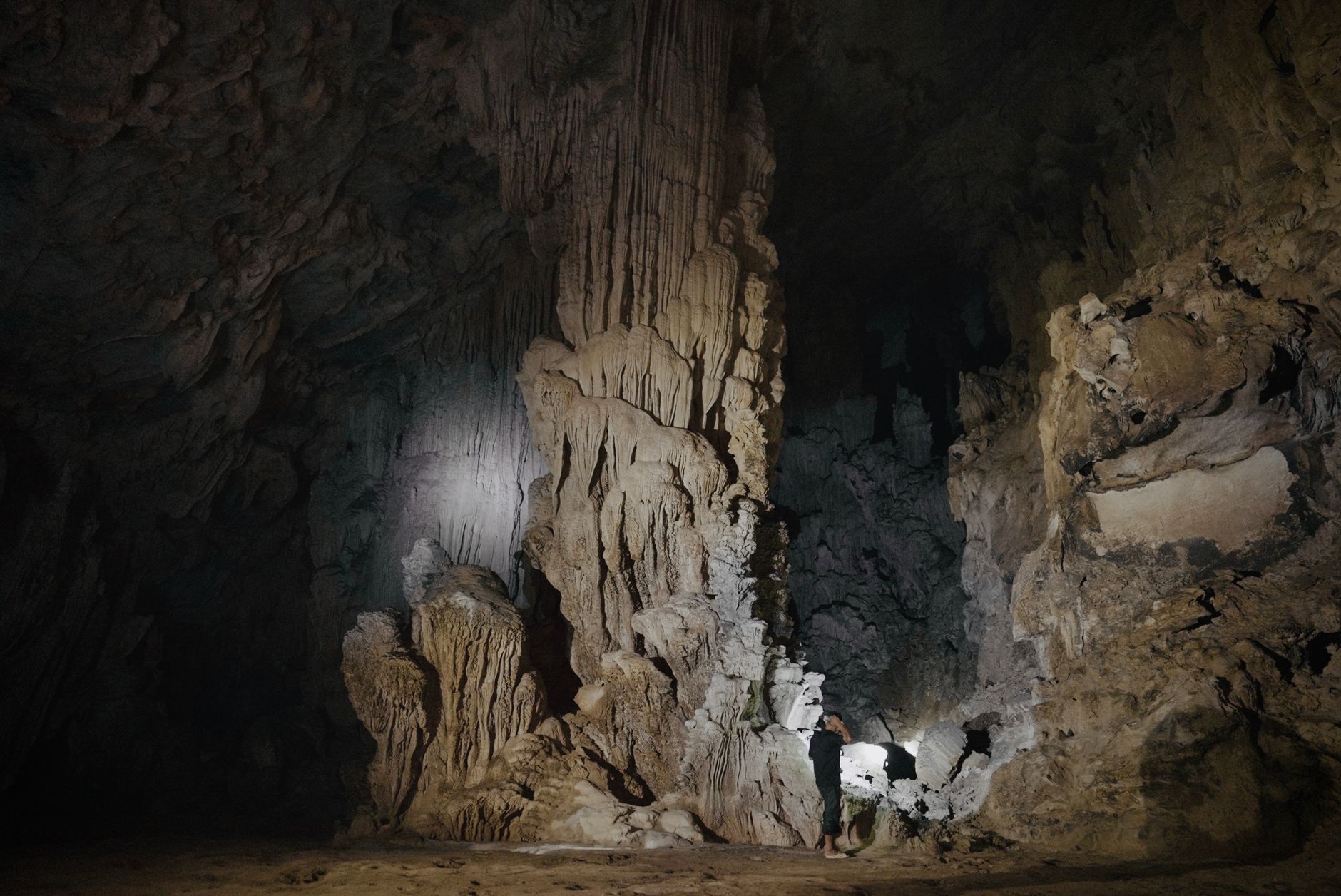
At El Mirón Cave, a small sediment sample, equivalent in volume to a few grains of rice, contained enough human nuclear DNA to determine ancestry after extensive sequencing. The material likely originated from skin, hair, or bodily fluids shed by multiple individuals who sheltered in the cave. Analysis indicated a mix of individuals with more male than female representation and pointed to a western European ancestry profile associated with dark skin, dark hair, and dark eyes. This profile aligns with the idea of the Iberian Peninsula serving as a refuge during the height of the Ice Age, when much of northern Europe was uninhabitable.
The El Mirón results build on earlier sedaDNA work at the same site. In 2025, researchers identified both animal and human mitochondrial DNA in layers dated between 46,000 and 21,000 years ago, showing that humans and animals used the cave at different times. The latest advance extracts nuclear DNA, which carries information from both parents and enables finer resolution of lineage and population structure than mitochondrial DNA alone.
Comparisons with other ancient genomes strengthen the picture of pre-Last Glacial Maximum mixing. A woman’s genome from Isturitz Cave in southwestern France, dated to around 30,000 years ago, carries mostly western European ancestry but also signals of input from central and eastern European populations, with gene flow modeled to roughly 32,500 to 31,500 years ago. Similar eastern signals appear in another French individual from Ormesson. In contrast, the 22,000-year-old El Mirón DNA shows only western ancestry, suggesting that while mixing occurred earlier, populations in the southwest maintained continuity through the glacial peak.
These findings fit into a broader European context of climate-driven population dynamics. Periods of extreme cold, such as those highlighted in analyses of past heatwaves and environmental stress across the continent, repeatedly shaped where and how human groups could persist. The Iberian refuge hypothesis gains support from the genetic continuity observed at El Mirón and nearby sites like Chufín Cave, where western ancestry persisted over millennia.
SedaDNA methods have advanced rapidly in recent years. Early successes included mitochondrial DNA recovered from cave floors in Georgia dating to 25,000 years ago and from other Eurasian sites. More recent work has even extracted human DNA from cave walls and rock art pigments in Portugal and Spain, though those samples are generally younger and sometimes mixed with animal DNA. The El Mirón nuclear DNA extraction stands out for its age, quantity of usable data, and direct tie to an archaeological layer lacking skeletal remains.
Challenges remain. Modern contamination must be rigorously excluded, and samples often require deep sequencing to overcome low concentrations of target DNA. Yet the technique opens hundreds of sites previously inaccessible to genetic study. Reviews of the field predict rapid expansion in applications to questions of mobility, diet, social structure, and interactions with other species. Future projects aim to combine sedaDNA with proteomic analyses to explore the earliest expansions of modern humans into Europe and their encounters with carnivores where organic remains are scarce.
The Gravettian period itself offers rich archaeological context. Sites across Europe have yielded sophisticated tools, art, and evidence of long-distance exchange of raw materials such as flint and shells. The new genetic data add a biological dimension, showing that people moved or interbred over large distances even as regional groups maintained distinct identities. In southern Italy, analysis of a male fetus likely the son of a previously studied woman further illustrates mating practices that avoided close inbreeding, supporting population stability.
Overall, the El Mirón discovery nearly doubles the available genomic evidence from this critical time and place. It underscores how sedaDNA can connect archaeological layers directly to the genetic identities of the people who created them. As more cave sediments are examined, researchers expect a clearer map of how Ice Age Europeans navigated climate extremes, maintained cultural traditions, and exchanged genes across the continent. The work also reinforces the value of revisiting well-studied sites with new molecular tools, revealing stories that bones alone could not tell.
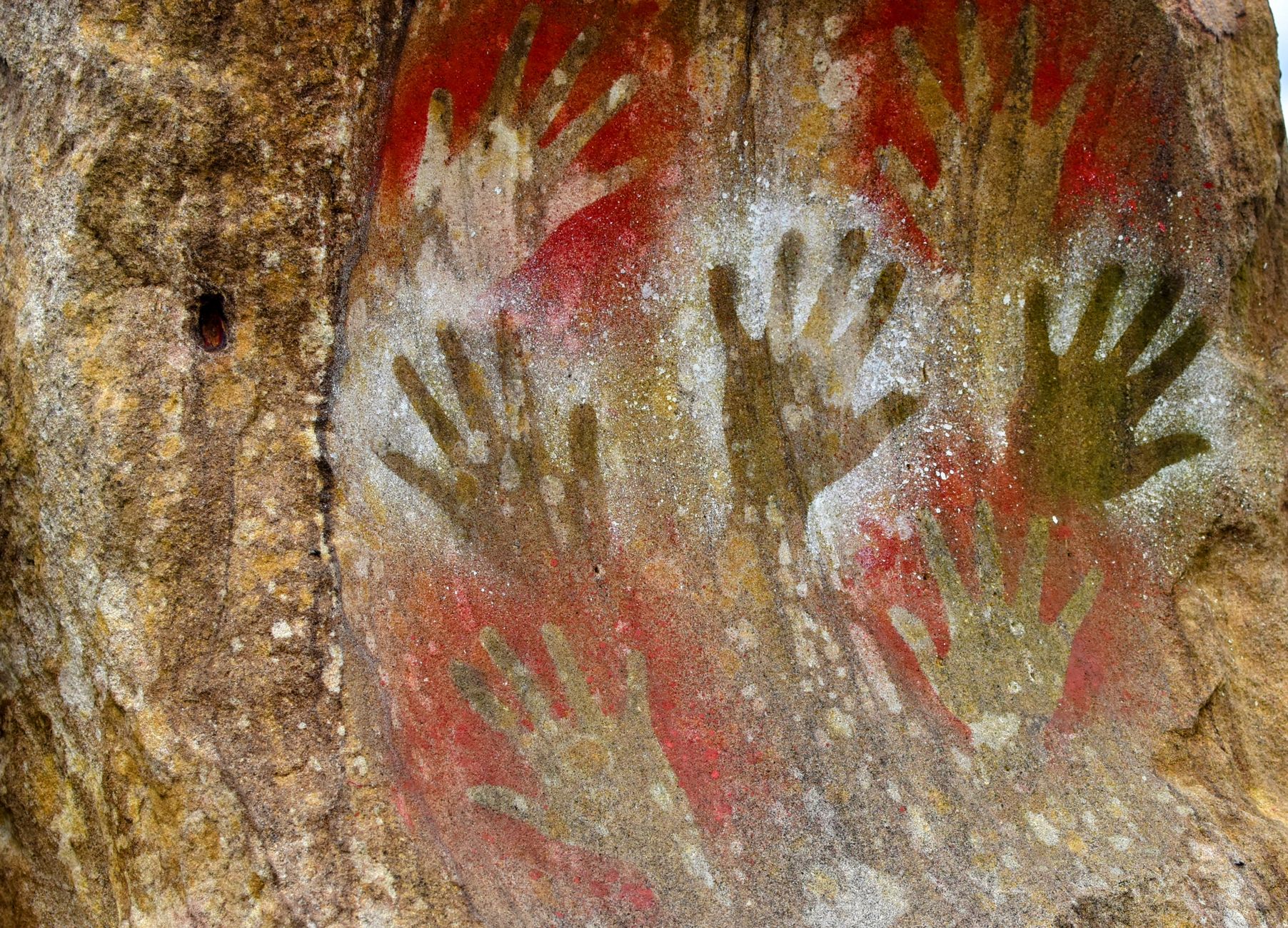
Additional context comes from parallel advances in rock art research. Teams working in caves such as Escoural in Portugal and Covarón in Spain have recovered human DNA from both pigmented and unpainted wall surfaces, sometimes indicating direct deposition through bodily fluids rather than sediment transfer. While these finds are typically several thousand years old rather than 22,000, they illustrate the same principle: surfaces and sediments in caves can preserve genetic traces for millennia when conditions are right. The Spanish and Portuguese caves involved in the wall studies lie in regions with deep Paleolithic histories, complementing the sedimentary work at El Mirón.
Population genetics during the Gravettian also intersects with debates about the timing of the Last Glacial Maximum and its effects on human ranges. The persistence of western ancestry at El Mirón through 22,000 years ago supports models in which the Iberian Peninsula buffered groups against northern depopulation. This regional continuity coexisted with the documented east-west gene flow earlier in the period, painting a nuanced picture of both isolation and connection.
Looking ahead, the University of Vienna team and collaborators plan further integration of sedimentary and skeletal datasets. Such combined approaches should resolve remaining questions about the processes that shaped Upper Paleolithic genetic landscapes. The current study already demonstrates that even tiny amounts of dirt can yield decisive information when analyzed with modern methods.
Readers interested in related European environmental history may wish to consult coverage of past climate impacts, such as Europe’s Record Summer Heatwaves Estimated to Have Killed More Than 50,000 in Cities, which examined how extreme conditions have affected populations over time. Similar environmental pressures likely influenced the movements and adaptations of Gravettian groups.
The El Mirón results arrive at a moment when sedaDNA is transitioning from experimental to mainstream in archaeology. With careful controls for contamination and degradation, the method promises to illuminate previously hidden chapters of human prehistory across Europe and beyond. As sequencing costs decline and analytical pipelines improve, more caves will yield their genetic secrets, enriching understanding of how ancient Europeans lived, moved, and survived the Ice Age.