
President Donald Trump’s October 8, 2026, Truth Social post ruling out U.S. military strikes on Iran before the November 3 midterm elections eased immediate geopolitical fears and supported a rebound in Bitcoin from roughly $80,300 to above $82,000 by the following session.
Market Reaction and Liquidations
The move reversed selling pressure onto bearish positions. Reports from that period noted more than $1 billion in crypto liquidations across major platforms in the prior 24 hours, with the bulk hitting long positions during the initial dip before shorts began to face squeezes on the recovery. A related analysis of the liquidation wave highlighted how the volatility tested leveraged positions across Bitcoin, Ether and XRP.
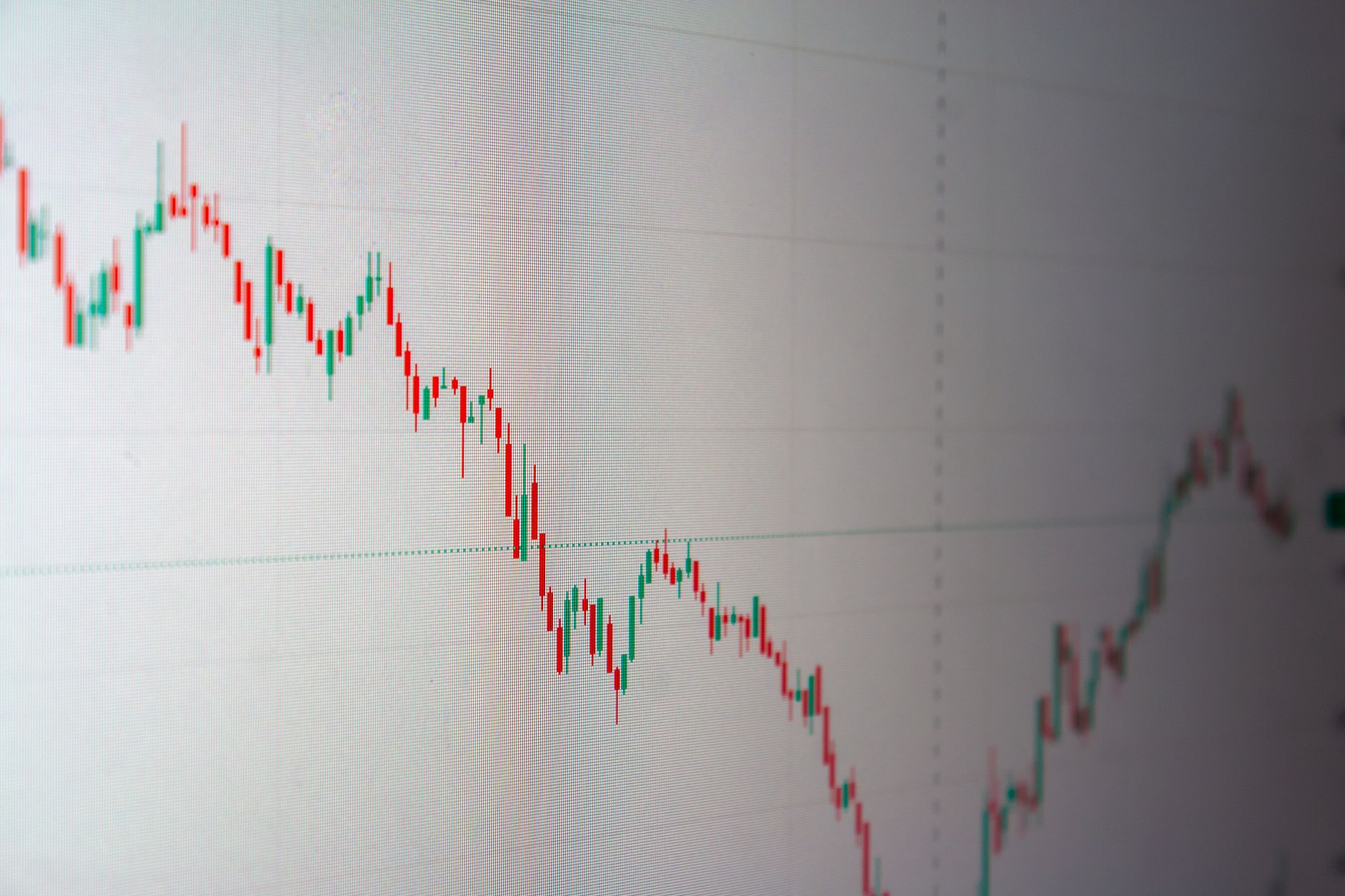
Traders watched Bitcoin test its 50-day moving average near the lows. Alex Kuptsikevich of FxPro observed that the decline touched the lowest level in three weeks before buyers stepped in. The CoinDesk 20 index registered a roughly 2 percent decline over the session even as the flagship cryptocurrency steadied.
Geopolitical Context and Oil Price Impact
The pledge came amid heightened tensions. Earlier Pentagon guidance had raised the prospect of resumed combat operations, pushing West Texas Intermediate crude futures from around $89 to above $93 a barrel. After Trump’s post describing talks with Tehran as productive while keeping the blockade in place, Brent crude slipped below $103 and WTI eased, reducing the risk premium that had weighed on risk assets.
Bitcoin has repeatedly shown sensitivity to Middle East developments because higher oil prices and broader risk-off flows tend to pressure equities and crypto together. The October episode followed a September pullback in which Bitcoin traded below $78,000 after prior U.S. strikes on Iranian targets.
Broader Crypto Market and Institutional Flows
Recovery extended to Ether, XRP and Solana, though the bounce left major tokens still lower on the week. U.S. spot Bitcoin ETFs recorded notable outflows around the same period, including one session exceeding $487 million, underscoring that the price rebound occurred against a backdrop of reduced institutional net buying.
Separate reporting the same week highlighted Treasury Secretary Scott Bessent’s comments that authorities expected to seize about $1 billion in Iran-linked crypto assets as part of an intensified sanctions campaign. Iran has used cryptocurrencies to circumvent restrictions, prompting targeted actions against wallets and exchanges since earlier in 2026.
Subsequent Developments

By October 20, unverified reports of a mediated proposal involving Qatar and Pakistan circulated, briefly lifting Bitcoin toward $83,000 and supporting Ether and XRP. Those moves illustrated how diplomatic signals continue to influence short-term sentiment even as longer-term positioning remains cautious.
Analysts noted that open interest in Bitcoin futures had declined modestly during the volatility, suggesting the recovery relied less on fresh leverage. Funding rates stayed positive, indicating longs continued to pay to hold positions, while the long-short ratio favored bulls.
Policy and Sanctions Backdrop
The episode fits into a wider pattern of U.S. policy toward Iran that includes both diplomatic overtures and economic pressure. Trump’s earlier maximum-pressure approach has evolved into what officials described as an absolute isolation campaign encompassing naval blockades, flight restrictions and crypto-specific enforcement. Coverage from BTCC and The Block detailed the Treasury’s focus on Iranian crypto networks.
For crypto markets, reduced geopolitical risk premiums can support risk appetite, yet the underlying drivers of adoption, ETF flows and regulatory clarity remain central. The October volatility served as a reminder that external events can still override technical levels in the near term.
Looking ahead, traders will monitor whether diplomatic progress materializes or whether renewed tensions reemerge after the midterms. Bitcoin’s ability to hold above key moving averages will depend on both macro conditions and continued institutional participation.