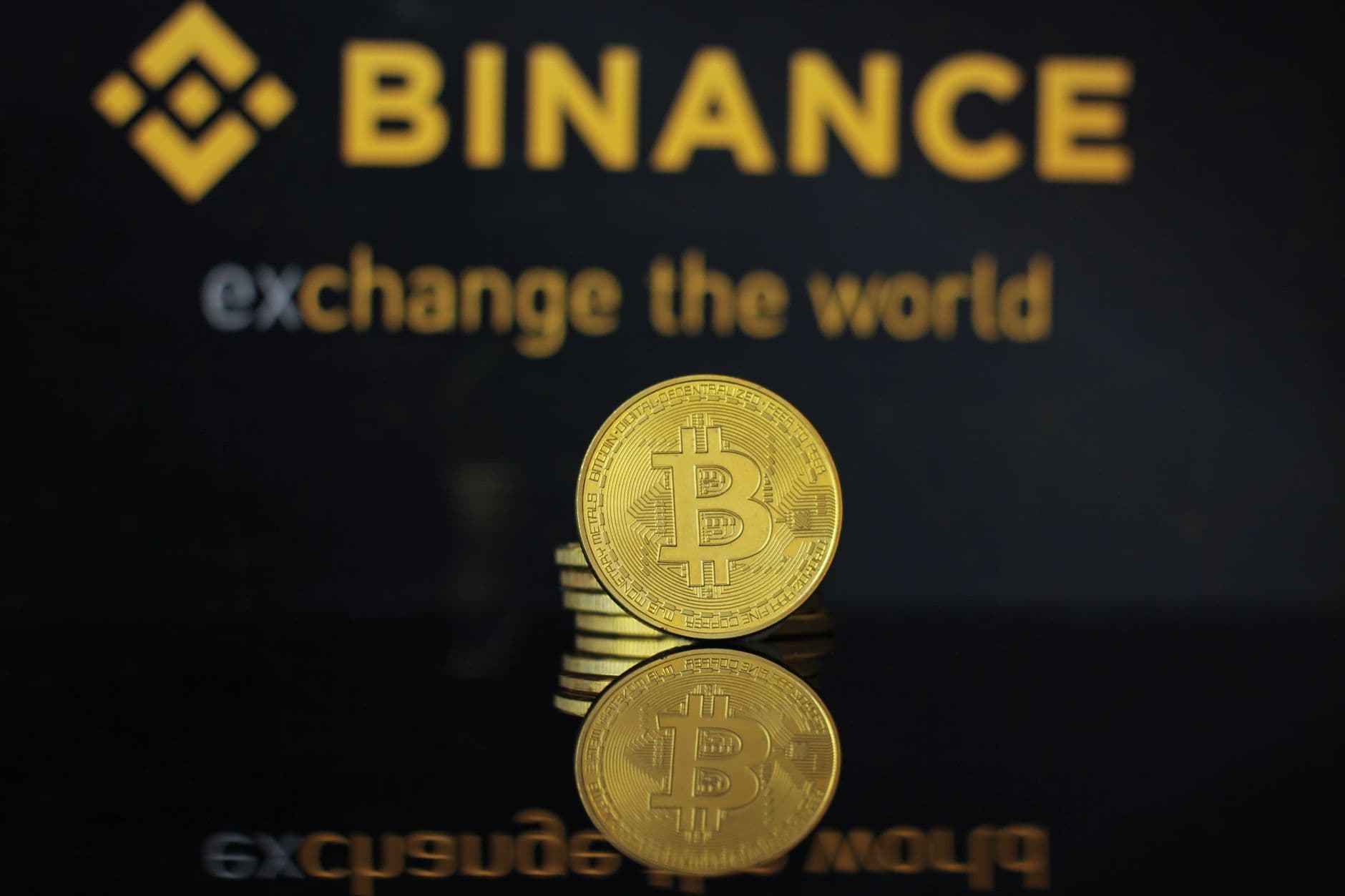


In the fast-paced world of cryptocurrency, few terms carry as much cultural weight as HODL. Far from a conventional acronym, it emerged from an accidental misspelling and has since shaped how many investors approach digital assets.
Origins of the Term
The word traces back to December 18, 2013, when a Bitcointalk forum user named GameKyuubi posted a thread titled “I AM HODLING.” The post, written during a Bitcoin price correction and reportedly under the influence, argued for holding assets rather than attempting to trade volatile swings, admitting the author’s limitations as a trader. The misspelling of “holding” quickly caught on as a meme within the community.
From Typo to Philosophy
Over time, participants retroactively interpreted HODL as “hold on for dear life,” transforming the error into a rallying cry for resilience. It represents a buy-and-hold strategy that discourages reacting to daily price fluctuations, emphasizing instead a belief in the long-term value of assets like Bitcoin.
Merits and Considerations

Proponents view HODLing as a disciplined approach suited to assets with high volatility, where frequent trading can erode returns for those without specialized skills. It aligns with the idea that markets reward patience and conviction over timing attempts. At the same time, critics note that unwavering holding carries risks, including prolonged drawdowns or shifts in regulatory or technological landscapes that could affect asset viability. The strategy works best when paired with thorough research into the underlying fundamentals.
Its Place in Modern Crypto Culture
Today, HODL remains a staple in forums, social media, and investor discussions, often contrasted with more active trading styles. It underscores a broader tension in cryptocurrency between speculative short-term plays and patient, conviction-based allocation. As the ecosystem matures, the term continues to highlight the emotional and strategic discipline required to navigate uncertainty.