
The International Monetary Fund has sharply downgraded its growth outlook for the Middle East and Central Asia, projecting that the regional economy will contract by 0.3 percent in 2026 amid the ongoing regional conflict.
In its latest World Economic Outlook released on October 13, the IMF attributed the downgrade to a longer-than-expected closure of the Strait of Hormuz, a key shipping route for global oil supplies. This marks the region as the only one expected to record negative growth this year, in contrast to positive projections for emerging and developing Asia, Sub-Saharan Africa, and Latin America and the Caribbean.
Country-Level Impacts
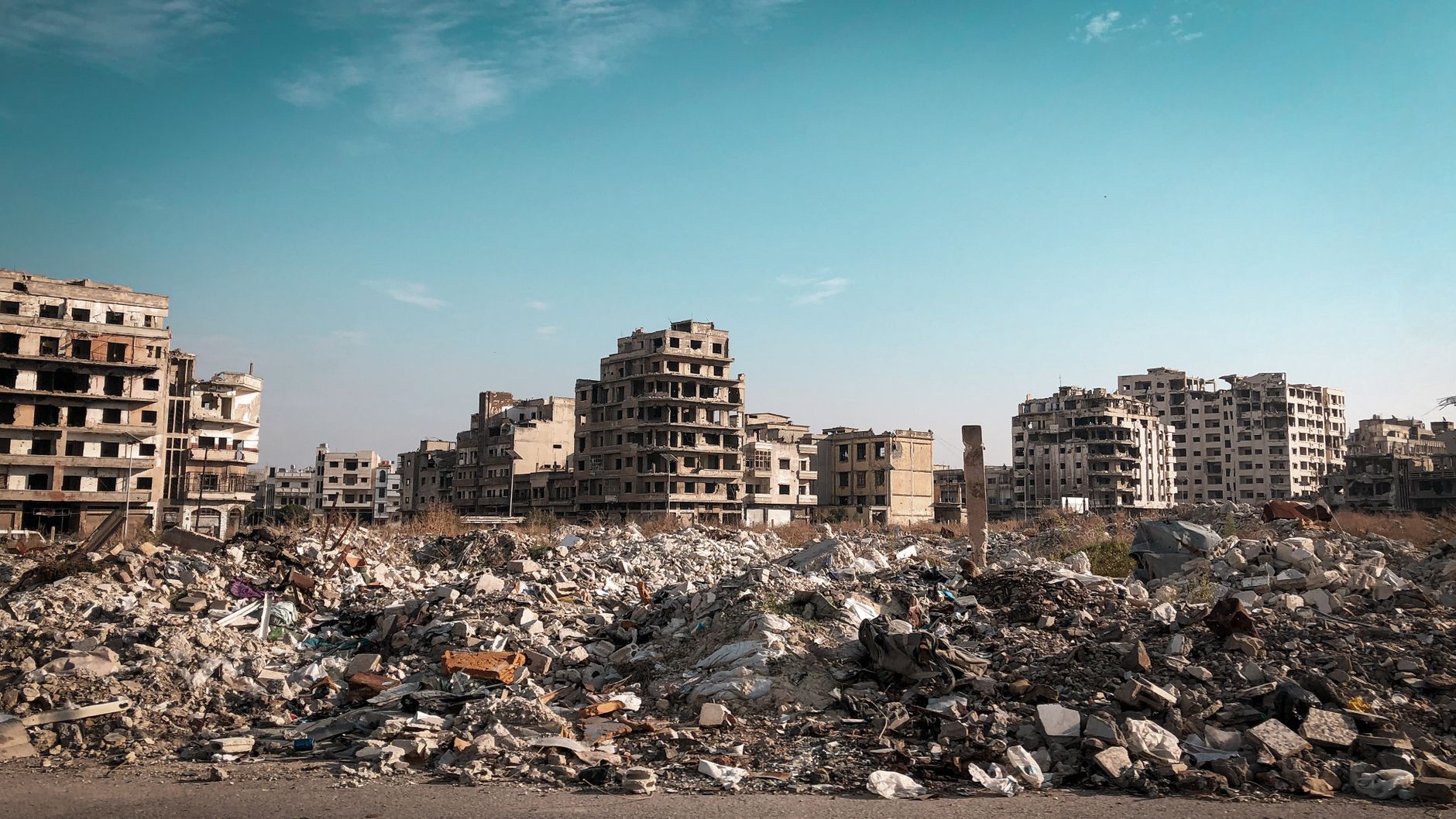
Several Gulf economies face particularly steep declines. Kuwait’s GDP is forecast to shrink by 16.7 percent, Iraq by 16 percent, Qatar by 15.6 percent, and Bahrain by 11.3 percent. Iran’s economy is projected to contract by 7.6 percent, while Saudi Arabia is expected to see negative growth of 3.3 percent. The United Arab Emirates is also forecast to contract by 3.9 percent.
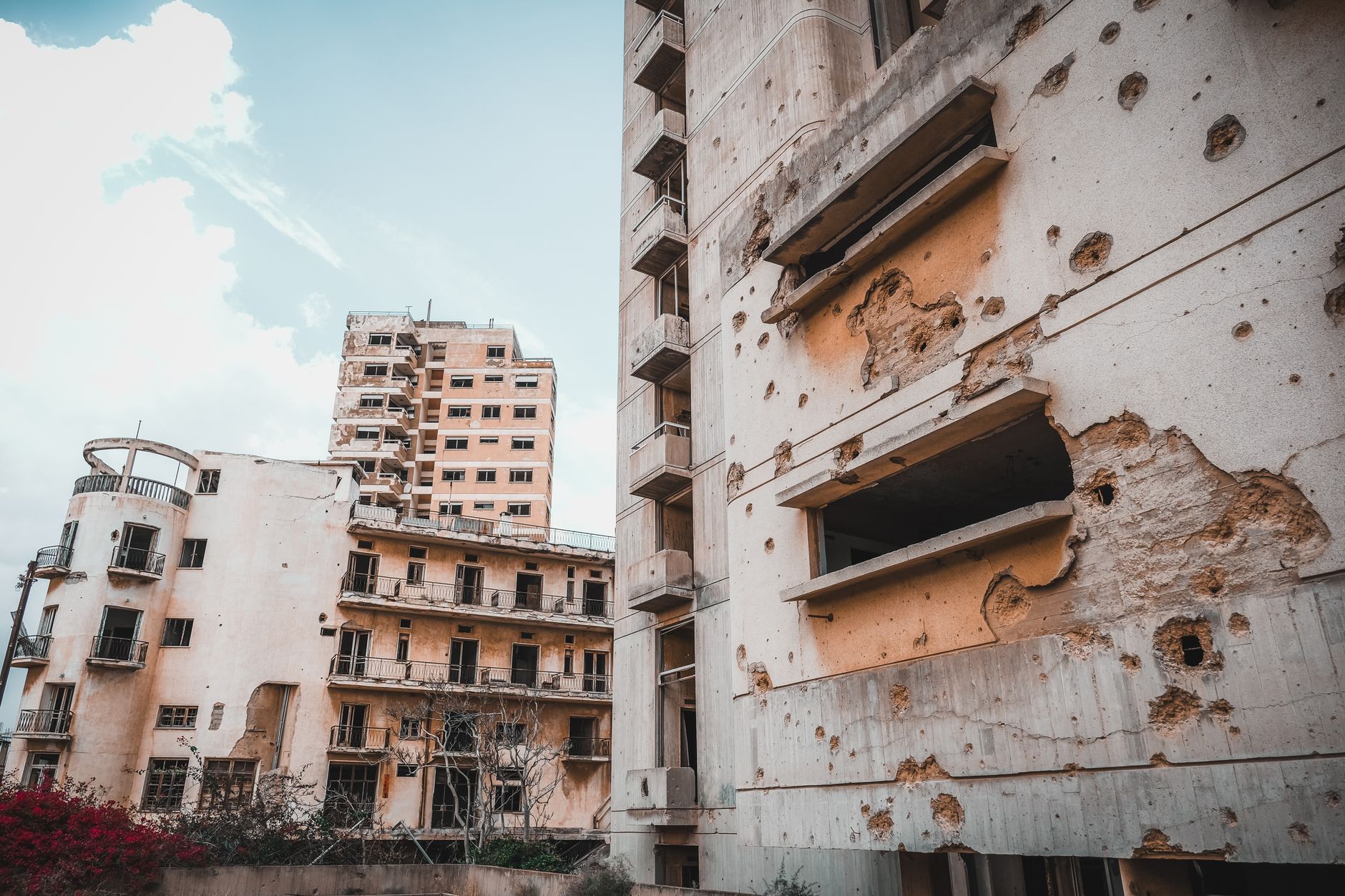
The IMF noted that commodity producers most affected by energy output and transport disruptions will experience double-digit contractions in 2026, followed by double-digit expansions in 2027 as conditions normalize. Oman is projected to be the only Gulf country to maintain positive growth.
Global growth is forecast at 3.1 percent for 2026, supported in part by AI-related investments offsetting some of the energy supply shock from the conflict.