
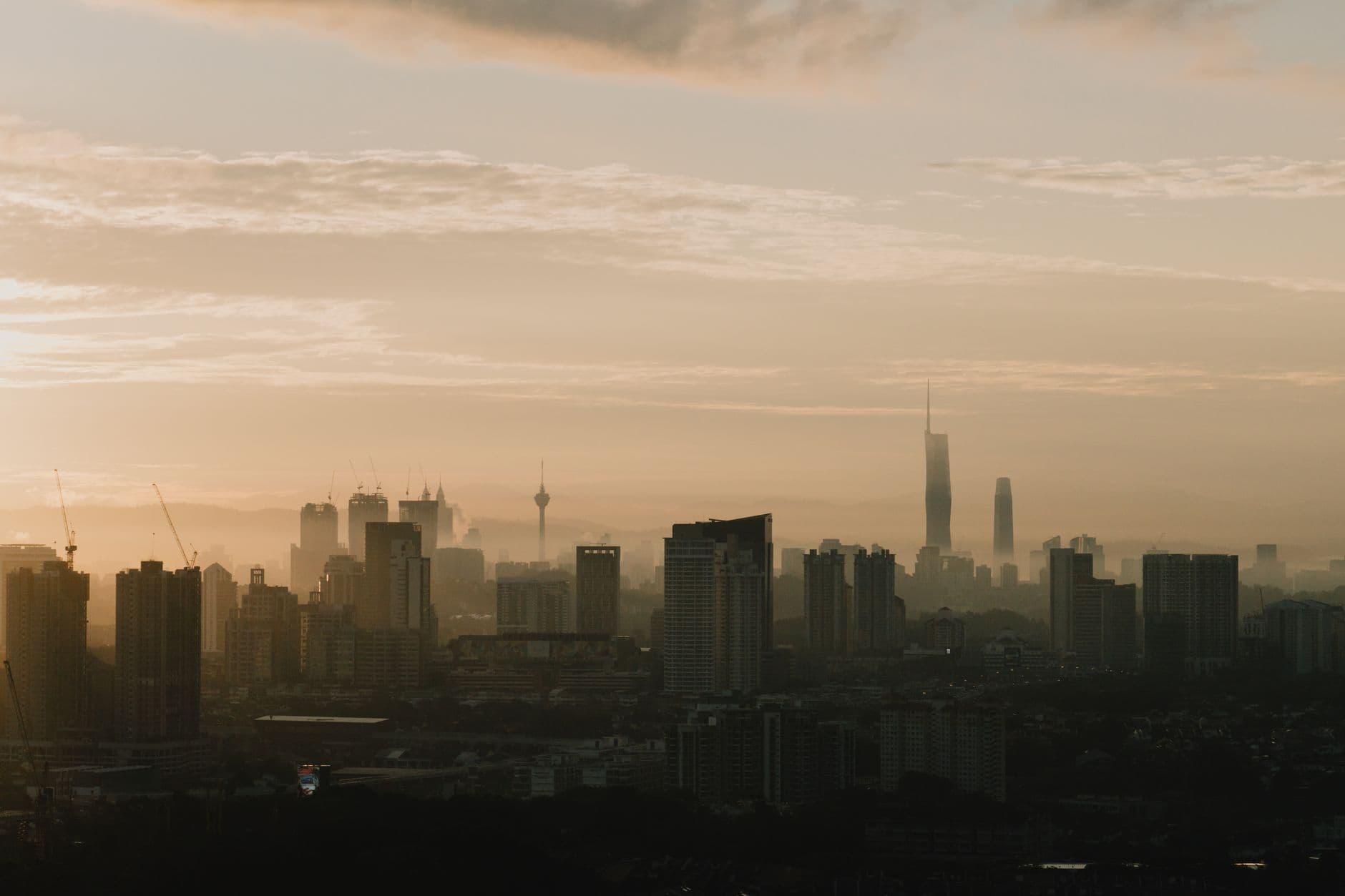
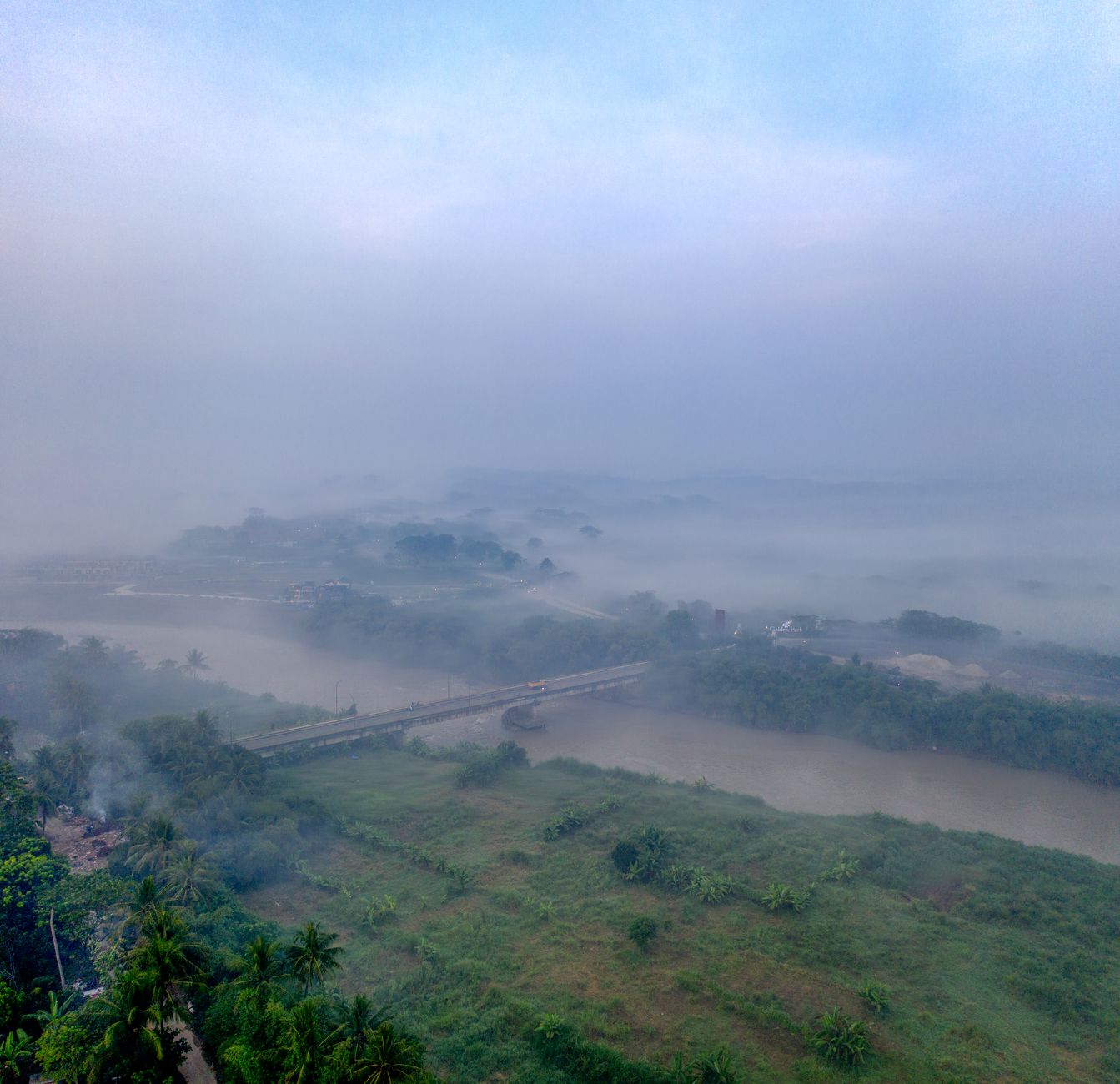
Malaysia ordered the closure of schools in several states and federal territories on October 9 as smoky haze from forest fires in neighboring Indonesia pushed air pollution to unhealthy levels across parts of the country. The affected areas included the states of Johor, Malacca, Negeri Sembilan and Selangor, as well as the capital Kuala Lumpur, the administrative center Putrajaya, and the Rompin district in Pahang state. Education Minister Fadhlina Sidek announced the closures in a Facebook post late Thursday, noting that state education departments would continue monitoring the situation. The move affected roughly two million students.
Persistent Crisis Through October
On Friday morning, 37 areas recorded unhealthy readings on Malaysia’s Air Pollutant Index (API), which classifies levels from 101 to 200 as unhealthy. As of October 22, the haze remained a live issue, with 15 areas still showing unhealthy API readings, the highest at 163 in Nilai, Negeri Sembilan. Other hotspots included multiple stations in Selangor, Melaka and Kuala Lumpur. The Department of Environment data showed dozens more stations in the moderate range, underscoring that the transboundary pollution had not fully lifted after weeks of disruption.
Background on Southeast Asia’s Annual Haze
Forest and land fires in Indonesia, often tied to peatland clearing for palm oil and other agriculture, have long sent haze drifting across borders during the dry season. This year’s episode has been worsened by El Niño-driven drought. Fires burned across at least six Indonesian provinces, scorching more than 200,000 hectares and triggering over 170,000 recorded respiratory infections in Indonesia alone, according to the Ministry of Health. Actual numbers are believed higher because many people never seek formal care. Singapore recorded “very unhealthy” readings on some days, while the Philippines and East Timor also reported school closures linked to the same smoke plume.

Diplomatic and Regional Response
Prime Minister Anwar Ibrahim said he had spoken with Indonesian President Prabowo Subianto, who agreed to take necessary steps. Anwar called for an urgent regional meeting under the Association of Southeast Asian Nations (ASEAN). Malaysia later proposed a new ASEAN-level cooperation mechanism to improve coordination, preparedness and collective action on transboundary haze. Foreign Minister Mohamad Hasan indicated the issue would be raised at ASEAN foreign ministers’ meetings ahead of the bloc’s summit in Manila. Indonesia has deployed additional firefighting resources and conducted weather modification operations such as cloud seeding, yet neighboring countries continue to press for faster results and greater accountability.
Impact on Education and Families
The school closures created immediate practical problems. In Johor alone, 1,198 schools serving more than 600,000 students stayed shut through at least October 16. Parents reported difficulties with home-based learning because of poor internet access and shared devices. Surveys indicated that more than 70 percent of primary students in some districts missed remote classes. Federal guidelines now trigger closures when API exceeds 180 or stays above 150 for three consecutive days. The King, Sultan Ibrahim, publicly supported closing schools at readings of 150 or higher. Outdoor activities were suspended even in areas that remained open.
Calls for Corporate Accountability
Civil society groups have urged Malaysia to police its own companies operating in Indonesia. Environmental watchdogs including Greenpeace have linked Malaysian and Singaporean plantation interests to fire hotspots in Kalimantan. Protests outside parliament demanded stronger legislation to investigate and penalize firms whose concessions contribute to the fires. The recurring nature of the crisis has exposed limits in the existing ASEAN Agreement on Transboundary Haze Pollution, with analysts calling for faster enforcement mechanisms and clearer liability rules.
Health and Economic Costs
Respiratory complaints have surged across the region. Hospitals in affected Malaysian states reported increased asthma and bronchitis cases. Businesses faced lost productivity as outdoor work slowed and tourism dipped in hazy cities. The episode has renewed debate over whether regional cooperation alone is sufficient or whether bilateral pressure and domestic enforcement must play larger roles.
The haze that forced mass school closures in early October has not fully dissipated by late October, leaving millions still breathing unhealthy air and governments still searching for a durable fix.