
Health authorities in Nigeria are investigating two suspected cases of Ebola disease in the country's northeast region, the Nigeria Centre for Disease Control and Prevention said on October 31. Both individuals have been isolated while officials conduct contact identification, listing and laboratory testing.
The NCDC emphasized in its statement that classification as suspected cases does not confirm infection and that results from laboratory tests will determine the outcome. The agency urged the public to maintain good hand hygiene, practice enhanced sanitation and follow guidance from health officials. Further updates will be issued as verified information becomes available.
Background on Nigeria's Recent Ebola Response
The new reports come days after Nigeria confirmed its first case of Ebola in more than a decade. On October 20, a 42-year-old Swiss woman who had traveled from Uganda via Addis Ababa tested positive for the Bundibugyo strain of the virus in Abuja. She developed symptoms on October 7 after arriving in the country on October 3 and was admitted to a private health facility. Nigerian health workers stabilized her condition before she and her husband, a Swiss diplomat, were medically evacuated to Switzerland on October 26.
Authorities identified 53 contacts linked to that index case, including healthcare workers, domestic staff and the patient's spouse. Monitoring of those contacts continues for the standard 21-day incubation period, followed by an additional 21 days to meet the 42-day threshold required by the World Health Organization before Nigeria can be declared free of Ebola transmission. The WHO has noted that Nigeria currently has no active confirmed cases following the evacuation.
Context of the Broader Regional Outbreak
The Bundibugyo strain has been at the center of an ongoing outbreak in the Democratic Republic of Congo, where more than 5,000 people have died since the epidemic was declared in May. Kenya and Uganda have also reported cases linked to the same strain. Nigeria's experience with Ebola dates back to a successful containment effort in 2014, when the country quickly isolated cases and prevented widespread transmission despite the West African epidemic at the time.
Public health experts have highlighted both strengths and gaps in the current response. Nigeria demonstrated rapid laboratory confirmation capacity, with the National Reference Laboratory delivering results within 24 hours of notification. At the same time, questions have been raised about the interval between the patient's arrival, symptom onset, hospital presentation and eventual diagnosis, which could have allowed potential exposure among contacts.
Implications for Surveillance and Preparedness
The emergence of suspected cases in the northeast, separate from the Abuja index case, underscores the challenges of maintaining vigilance across a large country with varied healthcare infrastructure. Northeast Nigeria has faced ongoing security and access issues in some areas, which can complicate contact tracing and sample transport. The NCDC has activated its national incident management system and is coordinating with the Federal Ministry of Health and Social Welfare, state authorities and international partners.
Similar to measures taken during the ongoing dengue outbreak in Bangladesh, where authorities have focused on rapid case detection and public communication, Nigerian officials are stressing community-level prevention and prompt reporting of symptoms. The agency has advised healthcare facilities to strengthen screening, triage and infection prevention protocols, including ensuring adequate personal protective equipment for workers.

If the northeast cases are confirmed, they could signal local transmission within Nigeria, raising the stakes for containment. Authorities have not yet disclosed whether the suspected patients have travel histories or known links to the index case or affected regions in East or Central Africa. Laboratory results are expected in the coming days and will clarify the situation.
Public Health Messaging and Next Steps
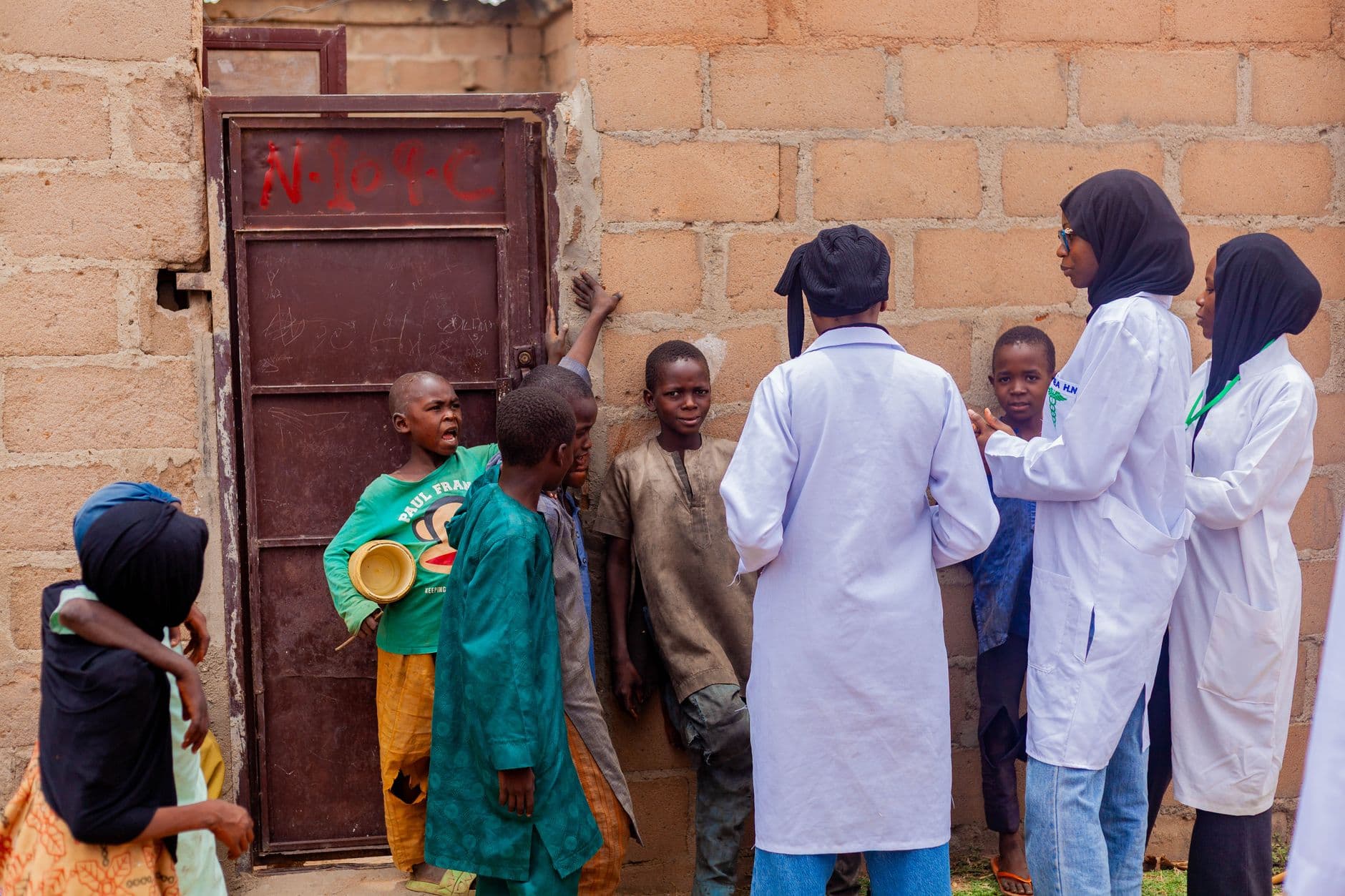
The NCDC continues to emphasize that suspected status alone does not equate to confirmed disease. In the meantime, contact tracing teams are working to identify and monitor anyone who may have been exposed to the two individuals. The agency has reiterated its commitment to providing transparent updates as investigations progress.
Regional health bodies, including the Africa Centres for Disease Control and Prevention, have been monitoring the cross-border movements associated with the current Ebola situation. Travelers are encouraged to seek medical attention for symptoms such as fever, diarrhea or body aches and to disclose recent travel histories to healthcare providers.
Nigeria's response will be closely watched as a test of post-2014 improvements in surveillance and rapid response systems. Sustained investment in laboratory networks, border screening and community engagement remains critical to preventing escalation, particularly as the DRC outbreak continues to affect multiple countries.