

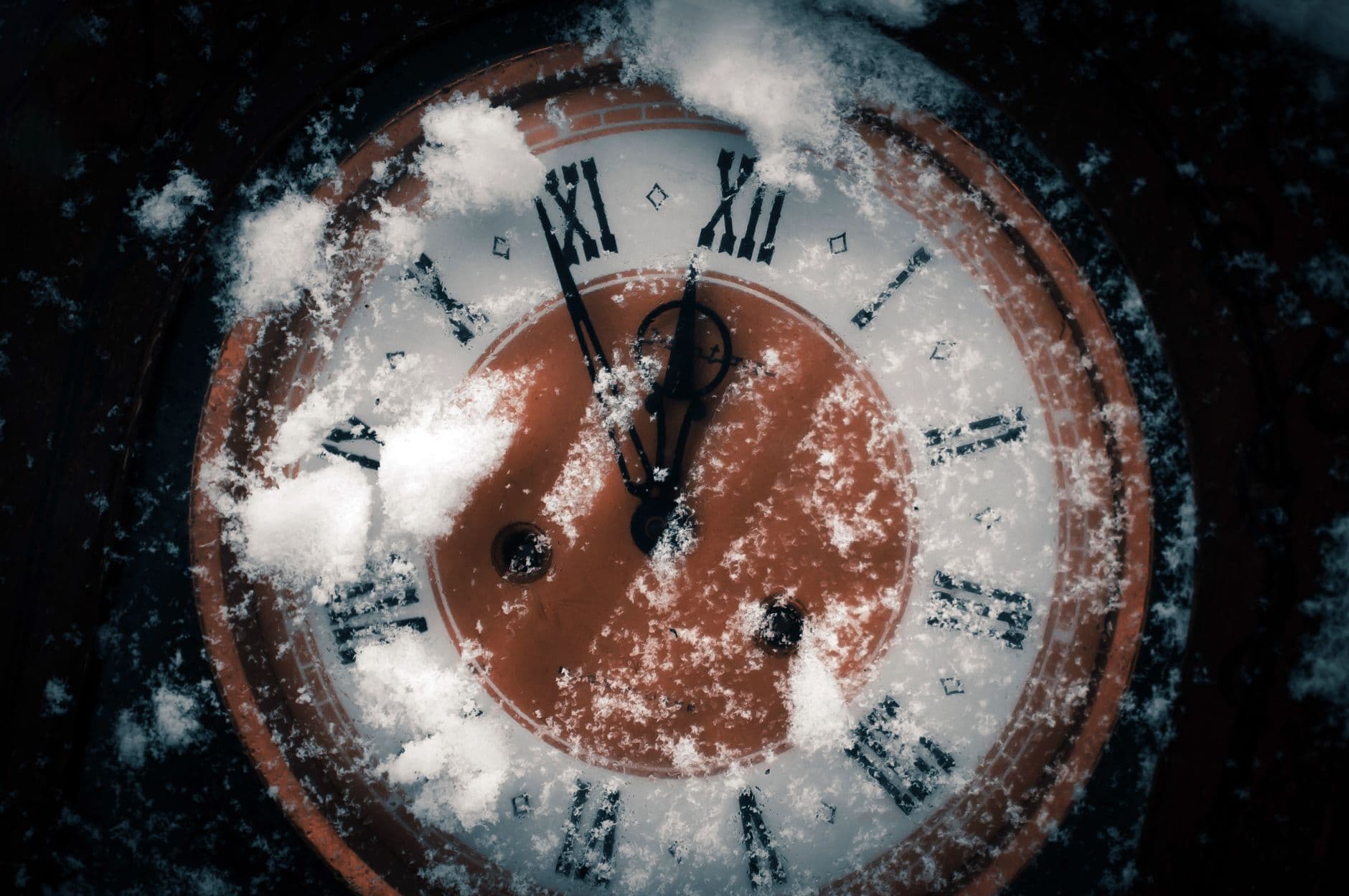
The world’s official time standard will no longer receive occasional one-second adjustments to stay in sync with Earth’s rotation after a decisive international vote this month.
Decision at Versailles Ends Decades of Debate
Delegates at the General Conference on Weights and Measures, meeting in Versailles, France, approved the change on October 15, 2026. The resolution ends the addition of leap seconds to Coordinated Universal Time, or UTC, the basis for civil time worldwide. The new rules take effect on May 20, 2027.
Instead of keeping UTC within 0.9 seconds of astronomical time, known as UT1, the system will now tolerate a difference of up to one hour before any correction. That adjustment would likely take the form of a “leap hour” and is not expected for centuries or longer.
Why Leap Seconds Were Introduced
Leap seconds began in 1972 to bridge the gap between highly stable atomic clocks and the slightly irregular length of the solar day caused by Earth’s rotation. Since then, 27 positive leap seconds have been added, usually on June 30 or December 31.
The practice ensured that noon on the clock remained close to the Sun’s highest point in the sky. This alignment mattered for astronomy, navigation, and certain legal or scientific records.
Tech Industry Pushes for Change
Modern computing and global networks made the irregular insertions problematic. Systems that rely on precise, continuous timestamps can fail or produce errors during a leap second. Past incidents affected platforms including Reddit and airline reservation systems.
Companies such as Amazon, Google, and Meta joined calls to eliminate the practice. A potential negative leap second, which would subtract a second, raised particular concerns because it had never been tested at scale and could trigger widespread disruptions.
Scale of the Change and Long-Term Effects
Under the new framework, UTC becomes a continuous time scale. The allowed drift means clocks will gradually diverge from solar time. By some estimates, the gap could reach several minutes by 2100 and grow further over millennia.
Astronomers and navigators who depend on the link between clock time and Earth’s orientation will need to account for the growing offset separately. Most everyday applications, financial systems, and telecommunications will benefit from uninterrupted time flow.
Additional Proposals on Lunar Timekeeping
The same conference also advanced discussions on establishing a dedicated time standard for the Moon, driven by increasing lunar missions. A separate lunar clock would operate independently of Earth-based UTC adjustments.
This reflects broader efforts to support sustained human and robotic presence beyond Earth while maintaining reliable timing for communications and operations.
Comparison to Past International Time Agreements
The vote follows years of technical consultations and mirrors other global standardization efforts. Similar to agreements reached at previous metrology conferences, the decision required broad consensus among member states of the International Bureau of Weights and Measures.
Observers note parallels with the ongoing work of international bodies that coordinate standards across borders, even when the immediate topic differs.
Implications for Different Sectors
Financial markets, satellite navigation, and data centers stand to gain the most from stable, continuous time. Legacy systems in astronomy or those tied to solar observations will require updated protocols to handle the offset.
Software developers and infrastructure operators have until May 2027 to review and adapt any code that assumes leap-second insertions. Many large technology firms already use “leap smearing” techniques that distribute the extra second gradually, and those methods may become standard or obsolete depending on implementation.
Next Steps and Monitoring
Timekeeping authorities will continue to track the difference between UTC and UT1. When the one-hour threshold approaches, further international consultation will determine the exact form and timing of any leap-hour correction.
The change formalizes a shift toward prioritizing technological reliability over strict solar alignment for civil time. It closes a chapter that began more than five decades ago and opens a new era of uninterrupted atomic timekeeping.