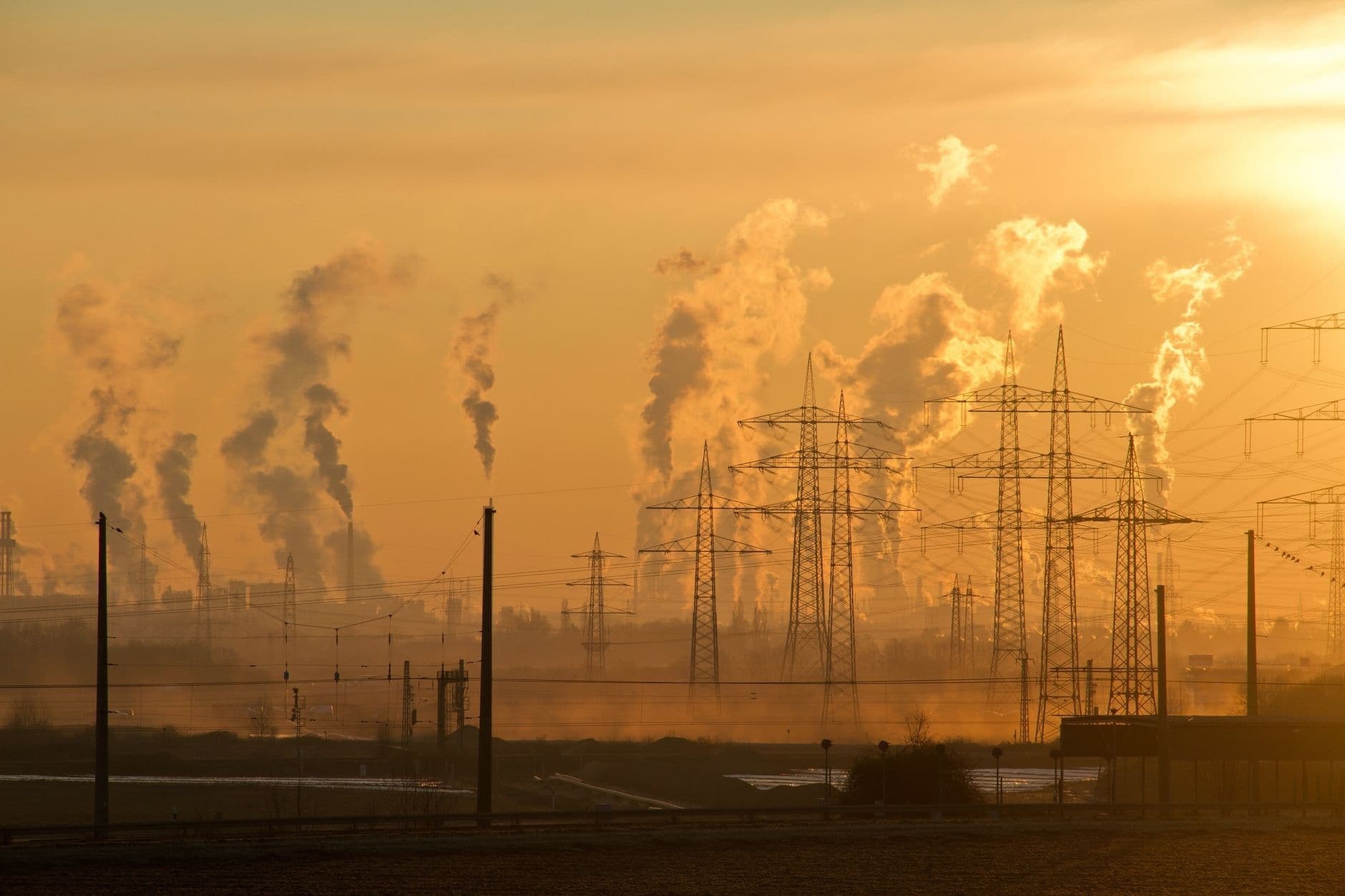

Transboundary haze from forest fires in Indonesia has begun to dent Malaysia’s tourism sector at a time when visitor numbers are already tracking below the government’s ambitious goals for the year.
Immediate Effects on Travel and Attractions
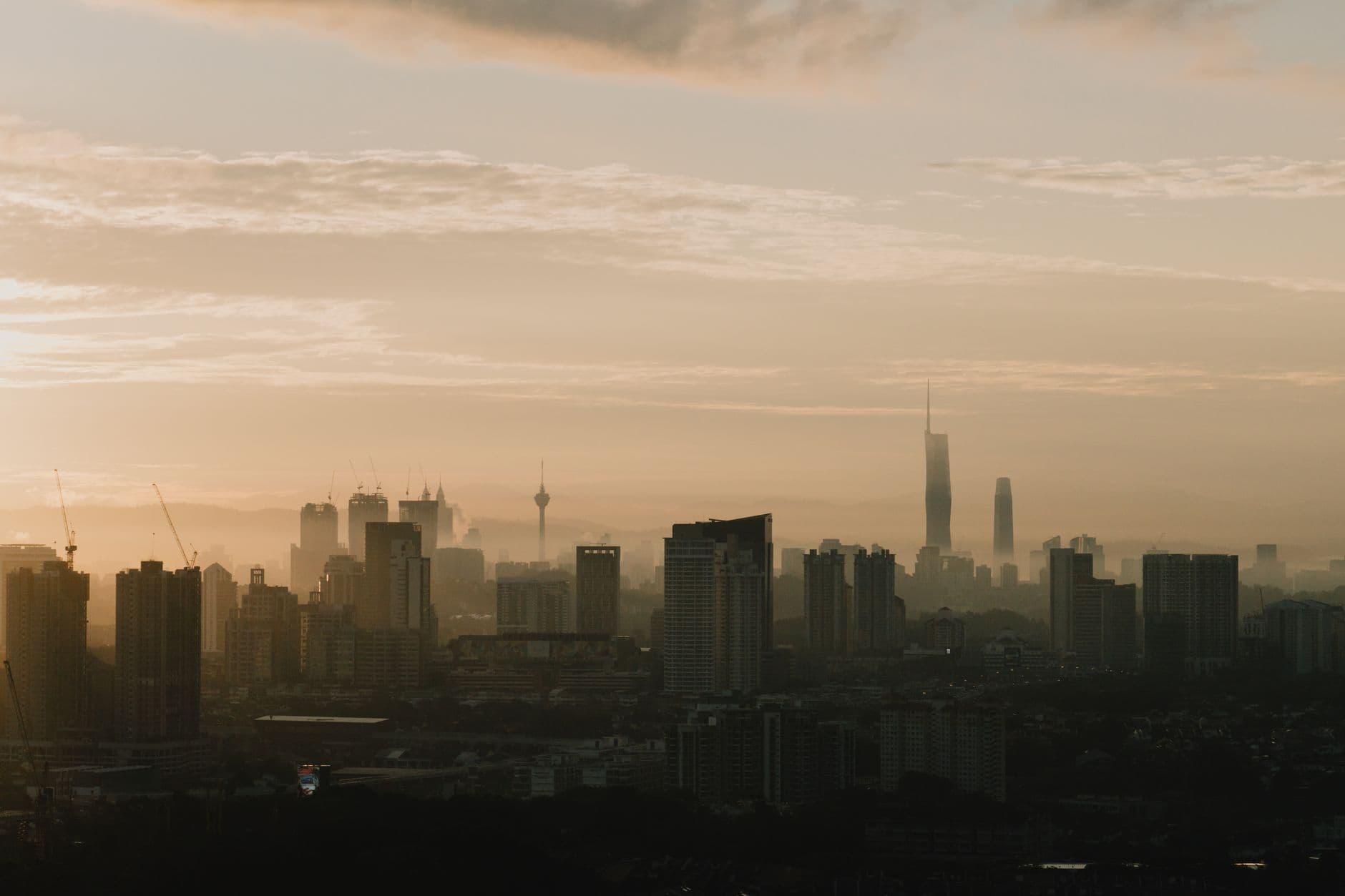
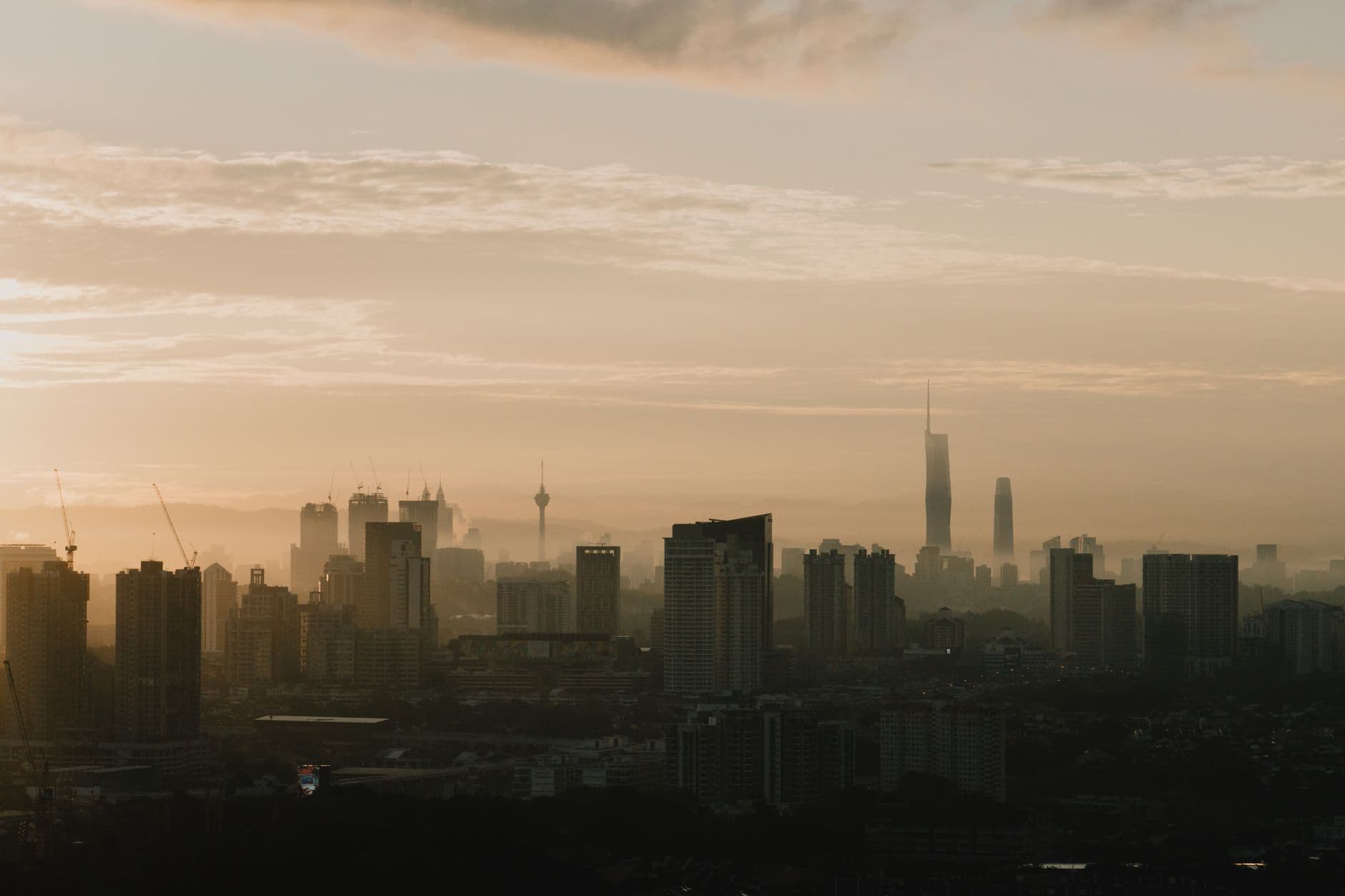
Smog has reduced visibility at key sites such as the Petronas Twin Towers and Merdeka 118 in Kuala Lumpur, leading some visitors to express disappointment. Australian tourist Cathy Hamilton told Bloomberg she regretted aspects of her trip because she could not capture clear photos of the landmarks and found breathing difficult amid the smoke.
Flight operations have faced interference, while schools in affected areas closed temporarily. On October 20, Kuala Lumpur, Singapore and Jakarta ranked among the world’s 10 most polluted major cities according to live data from air-quality firm IQAir.
Bookings and Cancellations Rise
Tourism operators report fewer reservations and outright cancellations, particularly for November travel. Malaysian Inbound Tourism Association president Mint Leong said inbound operators have seen group bookings decline and overseas agents requesting frequent air-quality updates. Leong estimated potential revenue losses in the millions of ringgit.
The slowdown coincides with Malaysia’s extended Visit Malaysia 2026 campaign, which aims for 47 million international visitors. Tourism Malaysia data show 28.8 million arrivals in the first eight months of 2026.
Economic Context and Broader Risks
Tourism remains a major contributor to the economy. In 2025, tourism-related industries generated RM323 billion in value, or 15.9 percent of GDP, while international visitors spent RM124.8 billion, according to Department of Statistics figures cited across multiple reports.
Economists have warned of wider daily losses from the haze. Sunway University professor Yeah Kim Leng estimated conservative daily costs of RM20 million to RM50 million, potentially accumulating to RM1.5 billion monthly if the episode persists, with tourism and aviation among the hardest-hit sectors.
Similar patterns appear in coverage from The Straits Times, Bloomberg, Zaobao and Kompas, which all highlight cancellations tied to poor air quality and reduced visibility at attractions.
Regional and Seasonal Factors

The haze stems primarily from fires in Indonesia’s Sumatra and Kalimantan regions during the dry season. Prolonged dry conditions linked to El Niño patterns have intensified the fires this year, according to regional meteorological assessments referenced in reporting.
Malaysia has conducted cloud-seeding operations and enforcement against open burning, yet the transboundary nature of the pollution limits unilateral solutions. Officials have indicated a preference for continued diplomatic and ASEAN-level cooperation rather than legal action at this stage.
Travelers considering the region may look to alternatives highlighted in guides such as Best Travel Destinations for Americans in 2026: A Practical Guide, where destinations with more stable air quality feature prominently.
Outlook for the Remainder of the Year
Weather shifts associated with the approaching northeast monsoon are expected to ease conditions by November, though experts caution that enforcement and regional cooperation will determine longer-term outcomes. Tourism operators continue to monitor developments closely as the peak holiday period approaches.
The episode underscores the vulnerability of Southeast Asia’s interconnected tourism economy to environmental factors that cross borders, affecting not only immediate bookings but also perceptions of the region as a reliable destination.