
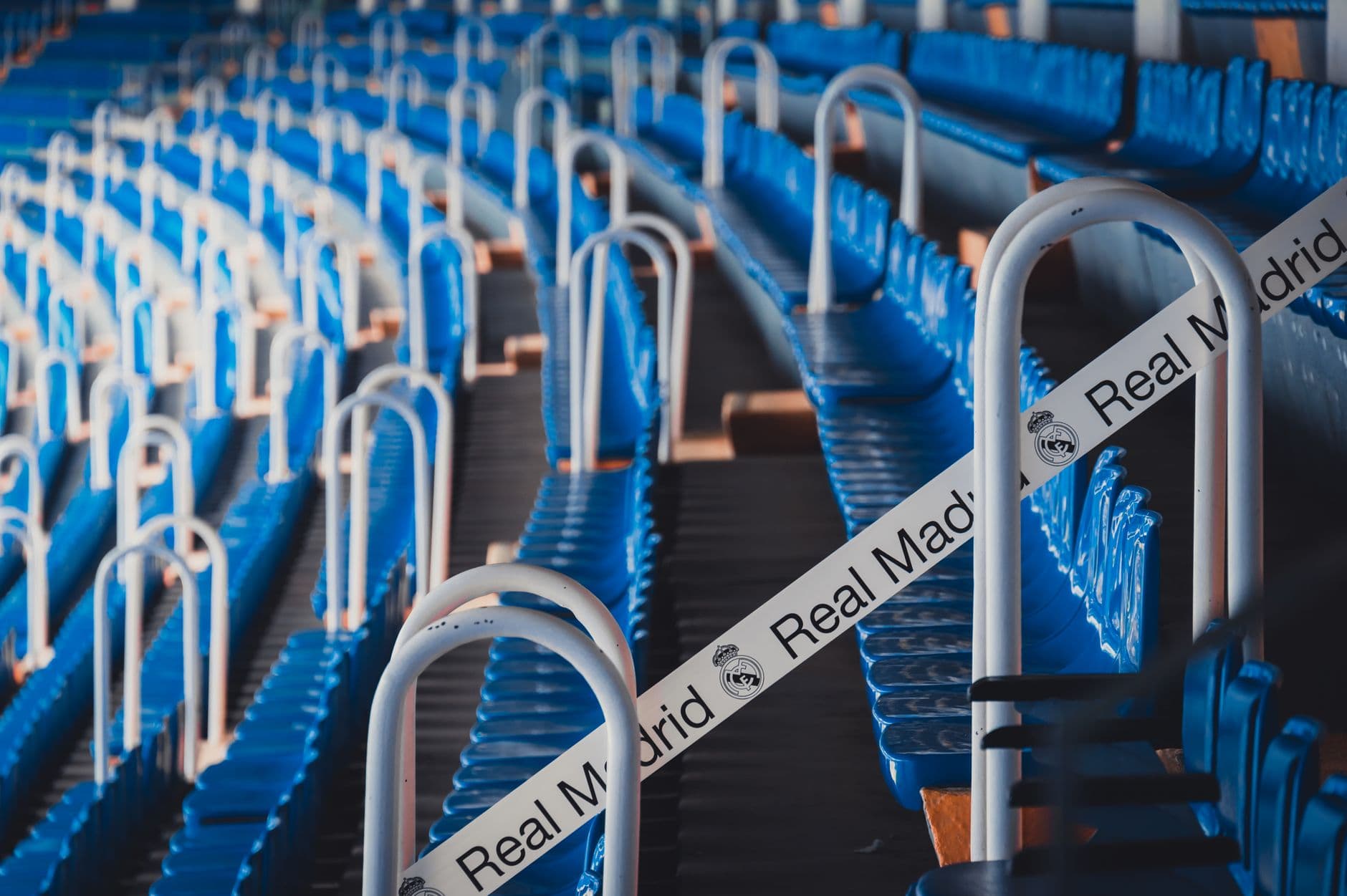
Kylian Mbappé, the Real Madrid and France forward, is at the center of a fast-escalating controversy in China after a video clip of him commenting on an internet meme went viral there. In the clip, originally from a French podcast interview, Mbappé laughs about a doctored image of his face superimposed on a historical Chinese political figure and refers to “some guy – I think he’s a Chinese dictator.” The remark has been widely interpreted as a reference to Mao Zedong, China’s founding leader, whose image and legacy remain highly sensitive topics in the country.
The Origin of the Comment
The video appears to date from an earlier recording for the French football podcast The Bridge. Mbappé was asked about memes featuring his likeness, a common online trend that often places his face on images of powerful figures. He singled out one image as particularly amusing. The clip circulated widely on Chinese social media platforms such as Weibo beginning around October 26, 2026, triggering immediate outrage. Chinese outlets and users described the comment as disrespectful to national sentiments and offensive to Mao’s memory.
China maintains strict social taboos around public criticism or satire of Mao, who ruled from 1949 until his death in 1976. His policies are credited with establishing the People’s Republic but are also associated by historians with periods of mass hardship. Jokes or irreverent references to him frequently provoke strong official and public reactions, as seen in past cases involving foreign celebrities and brands.
Commercial and Broadcast Fallout
Major Chinese companies moved quickly to sever ties. Beverage maker Dongpeng terminated its partnership with Mbappé immediately, citing a zero-tolerance policy for behavior that offends national sentiments. Dairy giant Mengniu and cheese producer Milkground issued similar statements and ended all cooperation. Advertisements featuring the player were pulled from public spaces and media.
State broadcaster China Media Group, which oversees CCTV, suspended broadcasts of La Liga matches and removed Mbappé-related content. The decision affects coverage of Real Madrid games and has raised concerns about broader revenue implications for the Spanish league in one of its key overseas markets. Chinese football outlet Dongqiudi condemned the remarks and declined to translate them in full, stating they hurt the feelings of Chinese fans.
Apologies and Institutional Response
Mbappé issued a public apology on October 27 in French, Chinese, and English. He described his comment as “ill-judged” and expressed regret for any hurt caused to people in China and Chinese communities worldwide, while affirming respect for Chinese history and people. Real Madrid followed with its own statement on October 28, apologizing to the Chinese people and reiterating the club’s respect for China’s culture and fans. La Liga president Javier Tebas established a crisis unit and met with the Chinese ambassador to Beijing.
Chinese state media noted the apologies but emphasized that actions would be watched closely. Public reaction on Weibo remained intense, with hashtags related to boycotts and contract terminations trending heavily.
Broader Context for Football in China
The episode underscores the commercial risks for European football clubs and players in the Chinese market. Real Madrid and La Liga have invested significantly in building audiences and partnerships there over many years. Similar sensitivities have affected other sports properties in the past, including instances where comments on political or social issues led to temporary or lasting restrictions on broadcasts and endorsements. The current situation has prompted discussions within La Liga about strengthening institutional ties with Chinese authorities to mitigate damage.
Analysts note that while individual player controversies can sometimes be contained, the involvement of state media and multiple brand withdrawals amplifies the stakes. Mbappé had previously enjoyed significant popularity in China, with millions of social media followers and visible marketing campaigns during events such as the World Cup.
What Comes Next
As of October 28, Chinese state television has not confirmed a resumption of La Liga coverage. Real Madrid’s next scheduled match offers an early test of whether the diplomatic and commercial steps taken so far will ease tensions. The Chinese Football Association has lodged formal protests with the club, requesting official apologies. Observers expect continued scrutiny of any future statements or actions by Mbappé and the league.
The controversy also highlights the challenges global athletes face when navigating cultural and political sensitivities in large markets. For Real Madrid and La Liga, the priority appears to be containing the fallout while preserving long-term access to Chinese fans and sponsors.