


Tea remains one of the simplest daily habits that many people turn to for both enjoyment and wellness support. While no beverage replaces medical care, certain varieties have drawn attention in studies for their bioactive compounds.
Green Tea
Green tea is frequently highlighted for its high concentration of catechins, particularly epigallocatechin gallate (EGCG). Reviews of observational and clinical data associate regular consumption with antioxidant effects and possible support for cardiovascular health and metabolic function.
Black Tea
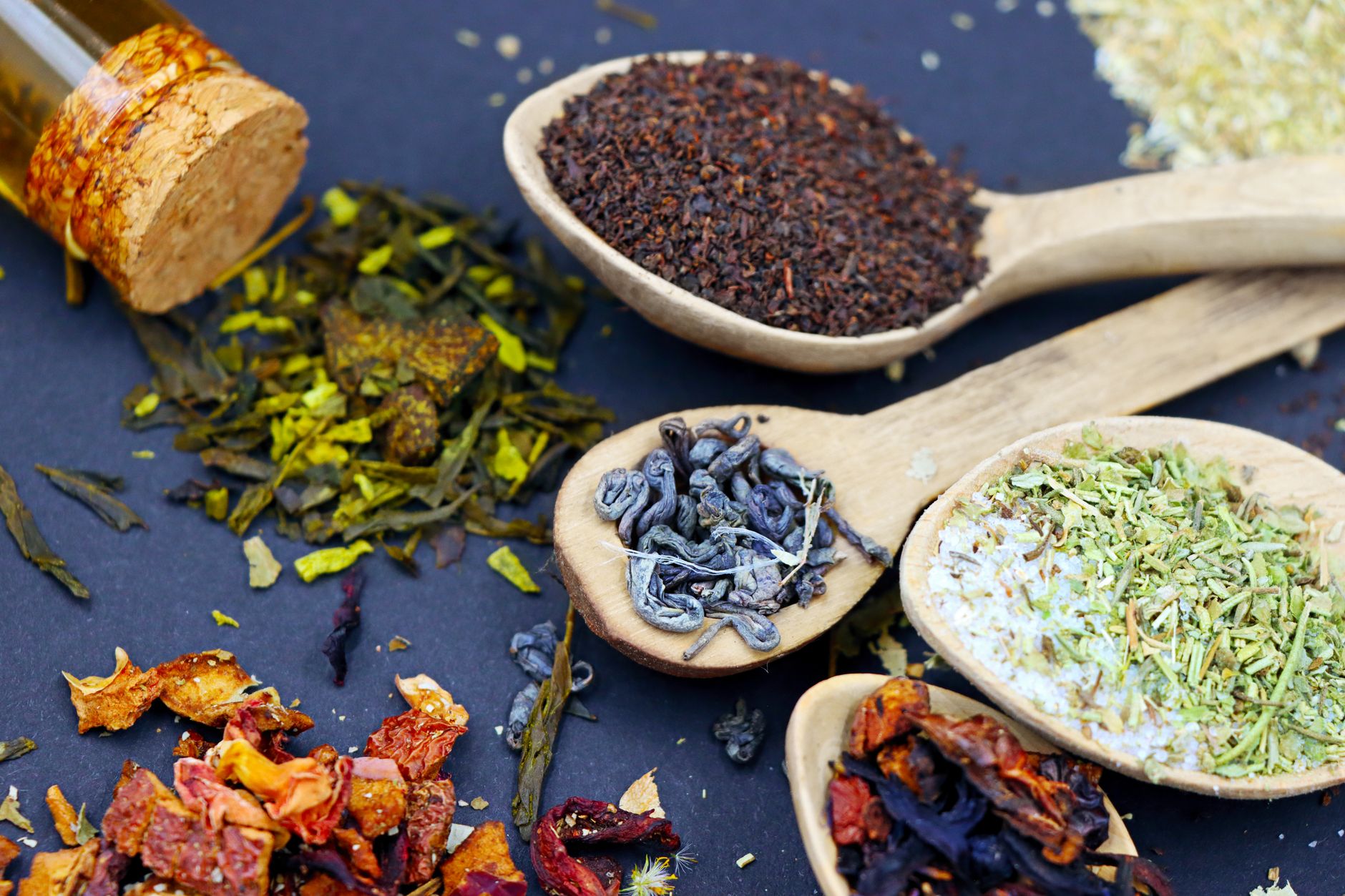
Fully oxidized black tea contains theaflavins and other polyphenols that contribute to its darker color and robust flavor. Recent commentary from dietitians notes potential benefits for vascular function, alertness without jitters when paired with L-theanine, and gut microbiome support.
Hibiscus Tea
Hibiscus infusions stand out in discussions of blood-pressure management. Clinical trials and meta-analyses have examined its effects on systolic and diastolic readings, making it a common recommendation among herbal options for those monitoring cardiovascular markers.
Ginger Tea
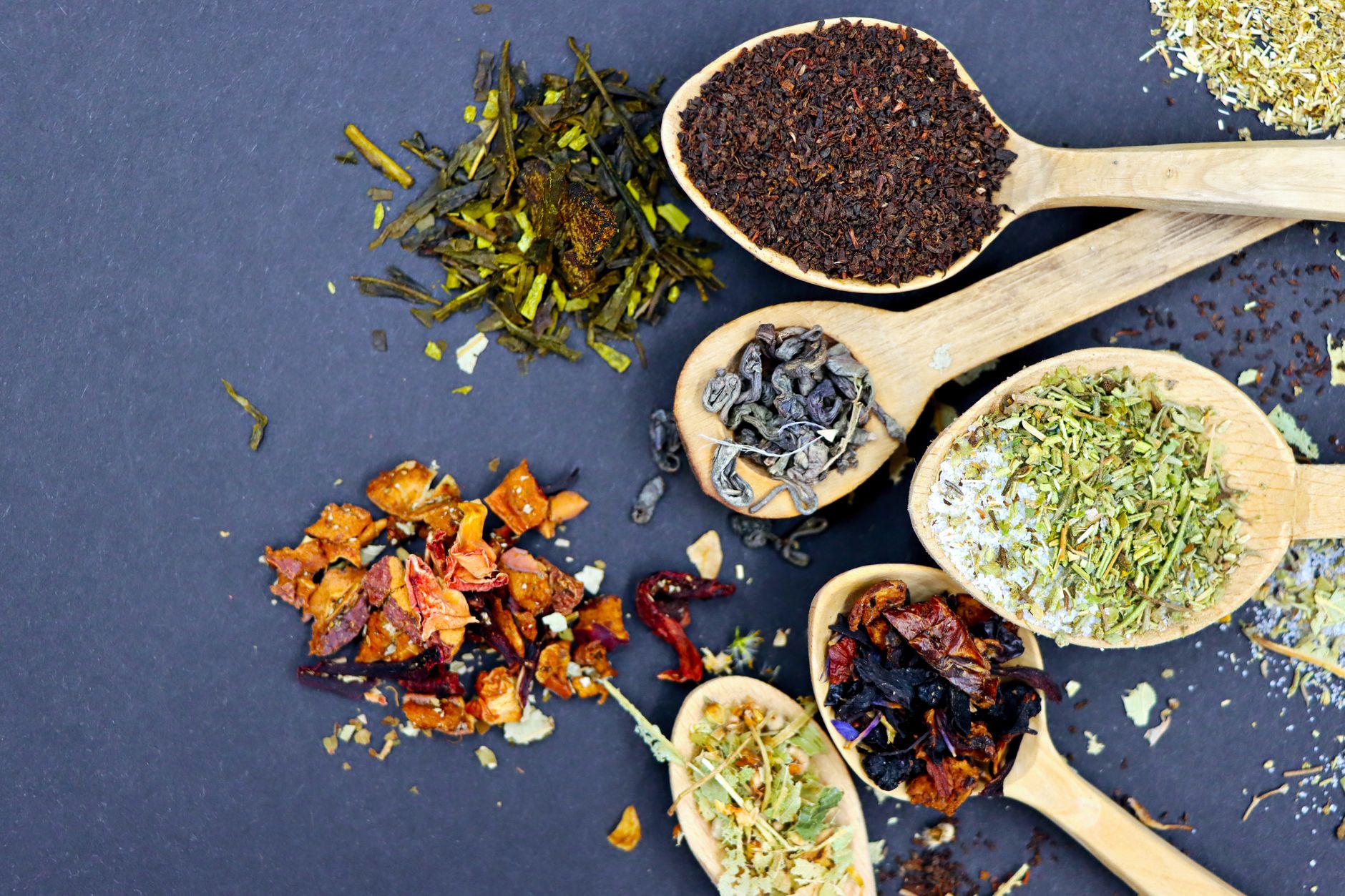
Ginger root tea is traditionally used for digestive comfort. Evidence from scoping reviews links it to relief from nausea and mild anti-inflammatory properties, which may complement other lifestyle approaches to gut health.
Chamomile Tea
Chamomile is often chosen in the evening for its mild sedative reputation. Research on herbal teas has explored its role in supporting sleep quality and easing mild anxiety symptoms in certain populations.
Individual responses vary, and anyone with health conditions or on medication should consult a healthcare provider before making significant dietary changes. Moderation and proper brewing remain key to enjoying these beverages safely.