


Amazon reported a 16% increase in its global carbon emissions for 2025, reaching approximately 80.85 million metric tons of CO₂ equivalent, according to its annual sustainability report released in early July 2026. The rise follows a 6% increase the prior year and marks a 58% jump since 2019, when the company co-founded The Climate Pledge committing to net-zero emissions across its operations by 2040.
Drivers of the Increase
The growth was primarily fueled by expansion of data centers to meet surging demand for cloud computing and artificial intelligence services. Emissions from purchased electricity rose 34% year-over-year, while supply chain emissions—accounting for 76% of the total footprint—increased 20%, largely due to construction materials and hardware manufacturing. Direct operational emissions grew 2% amid higher package volumes.

Progress Amid Setbacks
Amazon highlighted several areas of advancement. The company matched 100% of its electricity consumption with renewable energy purchases for the third consecutive year. Its electric delivery van fleet expanded to more than 52,700 vehicles globally, enabling delivery of 2.4 billion packages via EVs in 2025 and putting it over halfway toward a 2030 goal of 100,000 such vans. Carbon intensity, measured as emissions per dollar of revenue, rose 3% in 2025 but remains 38% below 2019 levels despite substantial revenue growth.
Sixty-two percent of Amazon’s top suppliers now have credible decarbonization plans, up 23% from the previous year. The company also reported efficiency gains in data centers and progress toward water-positive operations.
Broader Implications
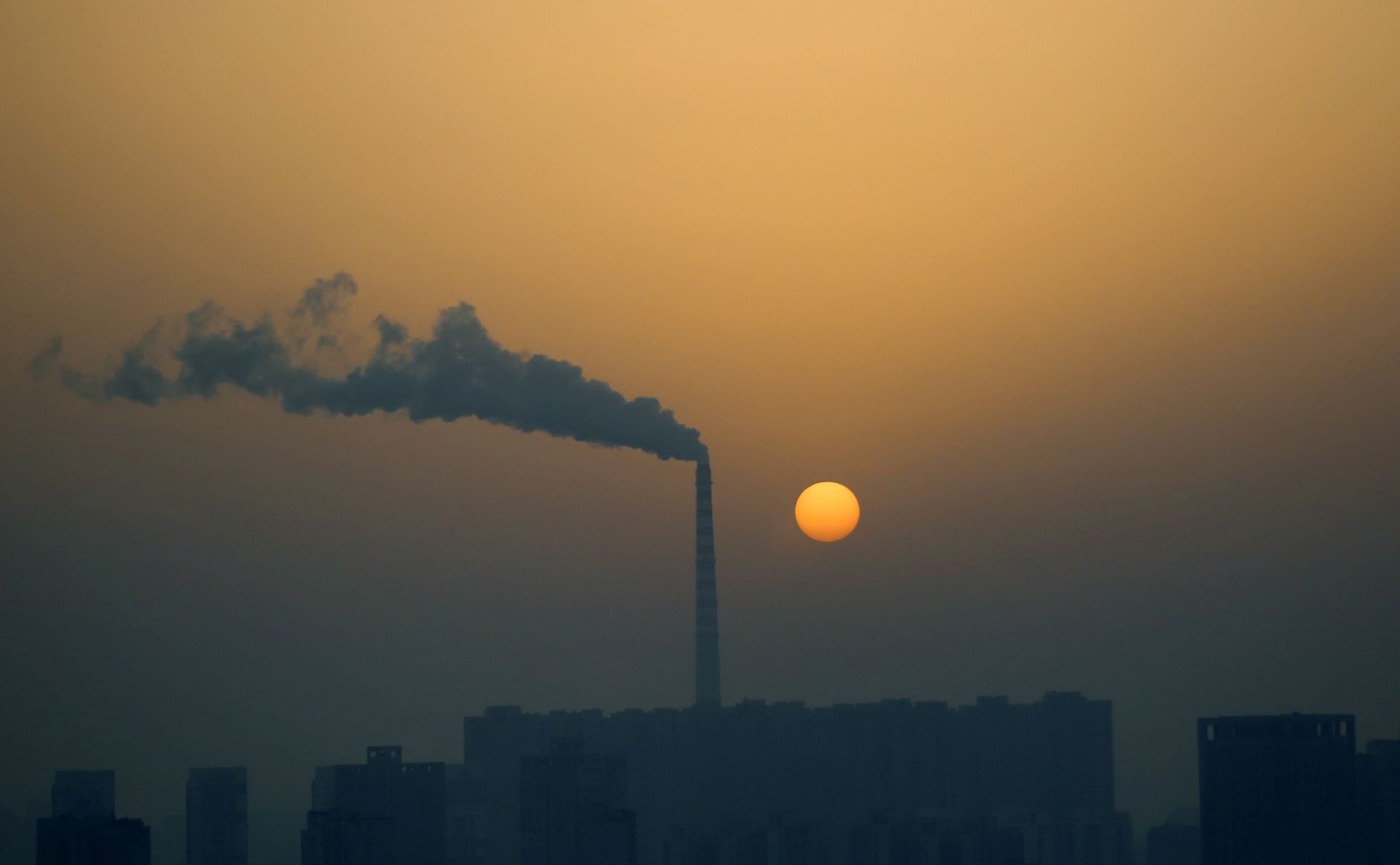
Amazon acknowledged that rapid AI adoption has introduced new complexities, including greater energy demands and constraints on clean power availability and grid infrastructure. The report noted that demand across its businesses “may slow” progress toward the 2040 target. Experts and observers have pointed to similar challenges across the tech sector, where data center buildouts are pressuring climate commitments even for companies with significant resources and renewable procurement scale.
The developments raise questions about the feasibility of corporate net-zero goals in the face of transformative technologies and economic growth, particularly in hard-to-abate areas like supply chains and heavy industry.