

Sourcing/perspectives note for the editor: Civil rights advocacy organizations (SPLC, National Urban League, National Center for Youth Law) emphasize concerns over reduced enforcement and disproportionate impacts on Black communities. Administration officials and department statements frame changes as restoring neutral enforcement and addressing alleged reverse discrimination. Government data sources (FBI, EPI analyses of BLS data) provide the underlying statistics.
The U.S. Department of Education’s Office for Civil Rights opened an average of about 100 new investigations per month from Inauguration Day 2025 through July 2026, down sharply from an average of 310 per month in 2024. Of roughly 5,000 complaints alleging racial discrimination filed during that period, the office launched fewer than 370 new investigations.
ProPublica obtained internal records through litigation after the department stopped publishing its usual public list of open cases. The analysis found that only about 11 percent of the racial discrimination investigations opened involved allegations of discrimination against white students. The office also resolved fewer cases with findings of wrongdoing overall and dismissed complaints at a higher rate than in prior years.
Administration officials have described the changes as a return to enforcing civil rights laws neutrally without regard to race. A department spokesperson stated that the Trump administration “treats any form of discrimination on the basis of race or sex as illegal” and criticized prior policies. The office has also issued new school discipline guidance directing districts to stop using racial outcomes to evaluate or adjust policies, calling such practices race discrimination under Title VI.
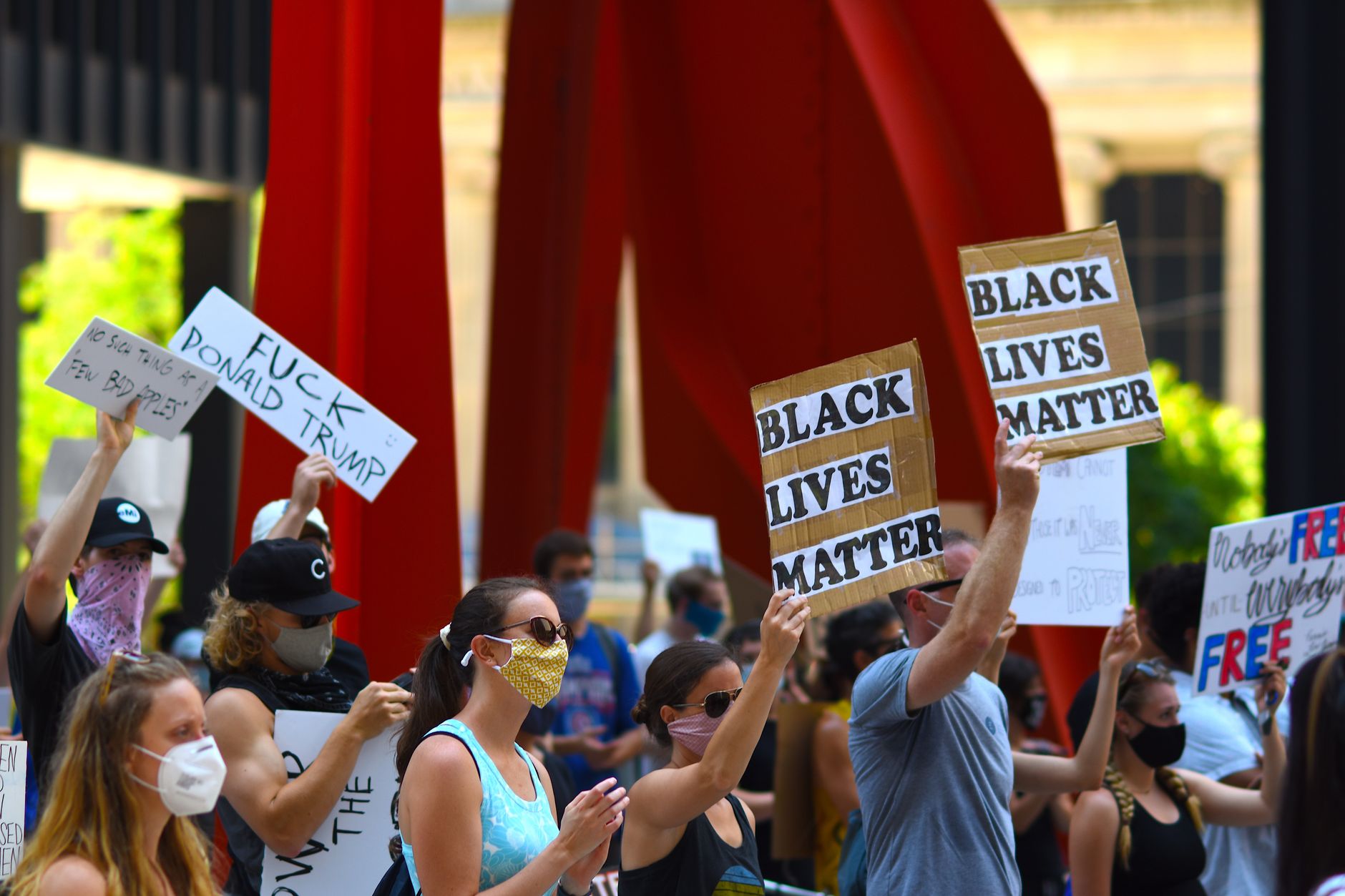
Civil rights advocates have raised concerns about the reduced enforcement. Johnathan Smith of the National Center for Youth Law noted that resources are not being allocated to complaints involving systematic racial discrimination. The National Urban League’s 2025 State of Black America report described a broader rollback of federal civil rights protections, including changes at the Justice Department’s Civil Rights Division.
At the Justice Department, the Civil Rights Division has dropped investigations into police departments and voting rights cases while opening probes into university admissions practices alleged to discriminate against white and Asian applicants. Hundreds of attorneys have left the division since early 2025.
Separate data from the FBI’s Uniform Crime Reporting program showed a 7 percent decline in reported hate crimes in 2025 overall. Anti-Black incidents still accounted for the largest share of race-based hate crimes, with more than half of the roughly 5,400 racially motivated incidents directed at Black people. The Southern Poverty Law Center noted that anti-Hispanic or anti-Latine hate crimes rose 25 percent amid immigration enforcement actions.
The SPLC and other groups have pointed to underreporting as a persistent issue, with many agencies submitting incomplete data or none at all. In some Southern states, reported hate crime numbers appear implausibly low relative to population and history.
Employment data has shown disproportionate effects on Black workers. Analysis by the Economic Policy Institute found that Black women’s employment-to-population ratio fell 1.4 percentage points in 2025 to 55.7 percent, one of the sharpest one-year drops in 25 years. The decline was largest among college-educated Black women and those in the public sector. Black women’s unemployment rate rose from 5.8 percent to 6.7 percent.
Researchers at EPI linked some of the losses to federal workforce reductions. Black women have historically been overrepresented in federal jobs relative to their share of the overall workforce. Private-sector employment for Black women saw net gains in some industries but losses in others, including professional services and manufacturing.
Broader civil rights organizations, including the National Urban League, have documented rising Black unemployment rates and described the combined effects of enforcement changes, grant terminations, and workforce reductions as creating heightened economic and social vulnerability for Black communities.
These developments occur against a backdrop of ongoing disparities. Historical research, such as a UC Riverside study published in October 2026, has linked past “sundown town” policies to higher levels of implicit and explicit racial bias in those counties today, based on Project Implicit data from more than 1.3 million participants.
Federal contractors face new requirements under an executive order barring what the administration terms racially discriminatory DEI activities. A federal court in Maryland declined to block the order in October 2026 while litigation continues.
Perspectives differ sharply. Administration statements emphasize equal treatment under the law and correcting prior practices seen as favoring certain groups. Advocacy organizations argue that reduced proactive enforcement and policy shifts leave communities of color with fewer protections against documented patterns of discrimination in education, employment, and public safety.