
Sourcing/perspectives note for the editor: Mainstream reporting (NYT) details data and individual impacts; libertarian-leaning analysis (Cato) compares legal and illegal entry reductions; policy research institute (MPI) provides broader context on related programs and population estimates. Administration rationale on security and benefits appears in reporting; no strongly opposing data interpretations were found in the sources used.
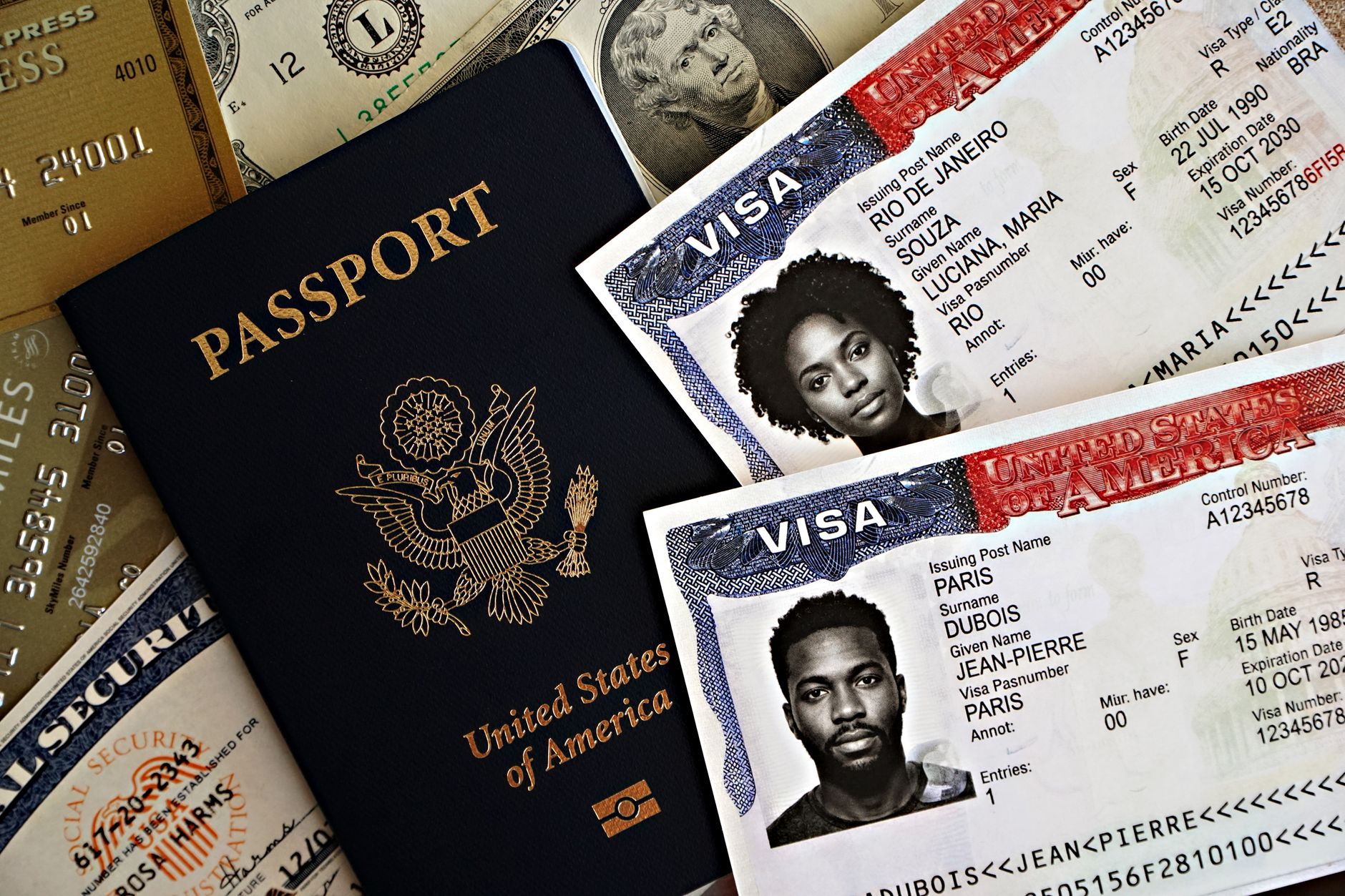
The U.S. State Department issued just 26,000 immigrant visas in February 2026, half the monthly average of 52,000 recorded in the years before the current administration took office. These visas confer lawful permanent resident status, commonly known as a green card. The drop followed a series of executive actions that expanded travel restrictions and suspended visa processing for nationals of 91 countries while limiting availability for applicants from 61 others.
Scope of the Restrictions
Policies took effect in late 2025 and early 2026. An expanded travel ban in January blocked visa issuance and entry for people from 39 countries. A separate pause suspended immigrant visa processing for applicants from 52 additional countries. The diversity visa lottery, which provides a pathway for individuals from countries with historically low immigration rates to the United States, was suspended in December 2025. Administration officials stated the measures aimed to strengthen security screening and assess applicants’ potential future reliance on public benefits.
Regional impacts varied sharply. Immigrant visa issuances fell by 99 percent in Central Asia, 89 percent in Africa, 84 percent in Eastern Europe, and 81 percent in the Middle East compared with 2023-2024 monthly averages, according to analyses of State Department data. Declines reached 90 percent or more for many Muslim-majority countries. South Asia saw a 63 percent drop, South America 60 percent, and the Caribbean 53 percent. Western Europe experienced a smaller 16 percent decline. Canada and Mexico recorded increases, together accounting for roughly 30 percent of February issuances.
Broader Effects on Visa Categories
Nonimmigrant visas also declined. Student and work visas fell about 30 percent year over year, while tourist and business visitor visas dropped roughly 25 percent in February. India and China, not subject to the country-specific bans, still saw notable reductions in student and skilled-worker visas amid new screening rules and fees. Seasonal agricultural and exchange worker visas remained relatively stable, but other seasonal worker visas in hospitality and tourism declined.
These changes occurred alongside other limits on legal pathways, including reduced refugee admissions and measures affecting asylum processing at ports of entry. Nonimmigrant visa trends and the overall slowdown in legal entries have drawn attention from policy analysts tracking both family-based and employment-based immigration.
Comparisons to Unauthorized Entries
Analyses from the Cato Institute, which supports higher levels of immigration, indicate that cuts to legal immigration categories in the first months of 2026 exceeded reductions in illegal entries by a factor of about 2.7 to 1. Legal entries in major categories declined by roughly 145,000 compared with a drop of about 53,000 in illegal entries during the period examined. The institute noted that illegal entries had already been falling prior to the administration’s start and that many individuals encountered at the border were not released into the country.
Human and Policy Context
The restrictions affected individuals who had completed years-long processes to immigrate legally through family sponsorship or other approved channels. Reports documented cases of families separated at the final visa issuance stage, with some applicants stranded abroad after consular interviews. Court challenges followed, and federal judges in two lawsuits ordered the government to resume visa processing by late August 2026. Despite the rulings, many applicants from affected countries remained in limbo as of the most recent reporting.
The Migration Policy Institute has tracked related developments, including shifts in temporary visa programs and the unauthorized immigrant population, which it estimated reached a new peak of 15.8 million as of mid-2024. Its analyses place the 2026 legal immigration changes within a broader pattern of enforcement and pathway adjustments.
Historical Perspective
Immigration experts have compared the scale of these executive actions to significant reductions during the Great Depression era, when visa denials rose sharply without new legislation. The current measures were implemented without congressional approval and have faced ongoing legal scrutiny. Data on more recent months remained limited at the time of reporting, as the State Department reduced the frequency of public visa statistics releases.
Nonimmigrant visa trends and court-ordered adjustments continue to shape outcomes for students, workers, and families. The February 2026 figures provide the clearest snapshot available of the immediate effects of the country-specific restrictions on permanent immigration channels.