

Needs verification before publishing:
Recent Walk Free report citing 45.8 million; confirm against forthcoming Global Slavery Index for consistency with 2021 baseline
Ancient Beginnings
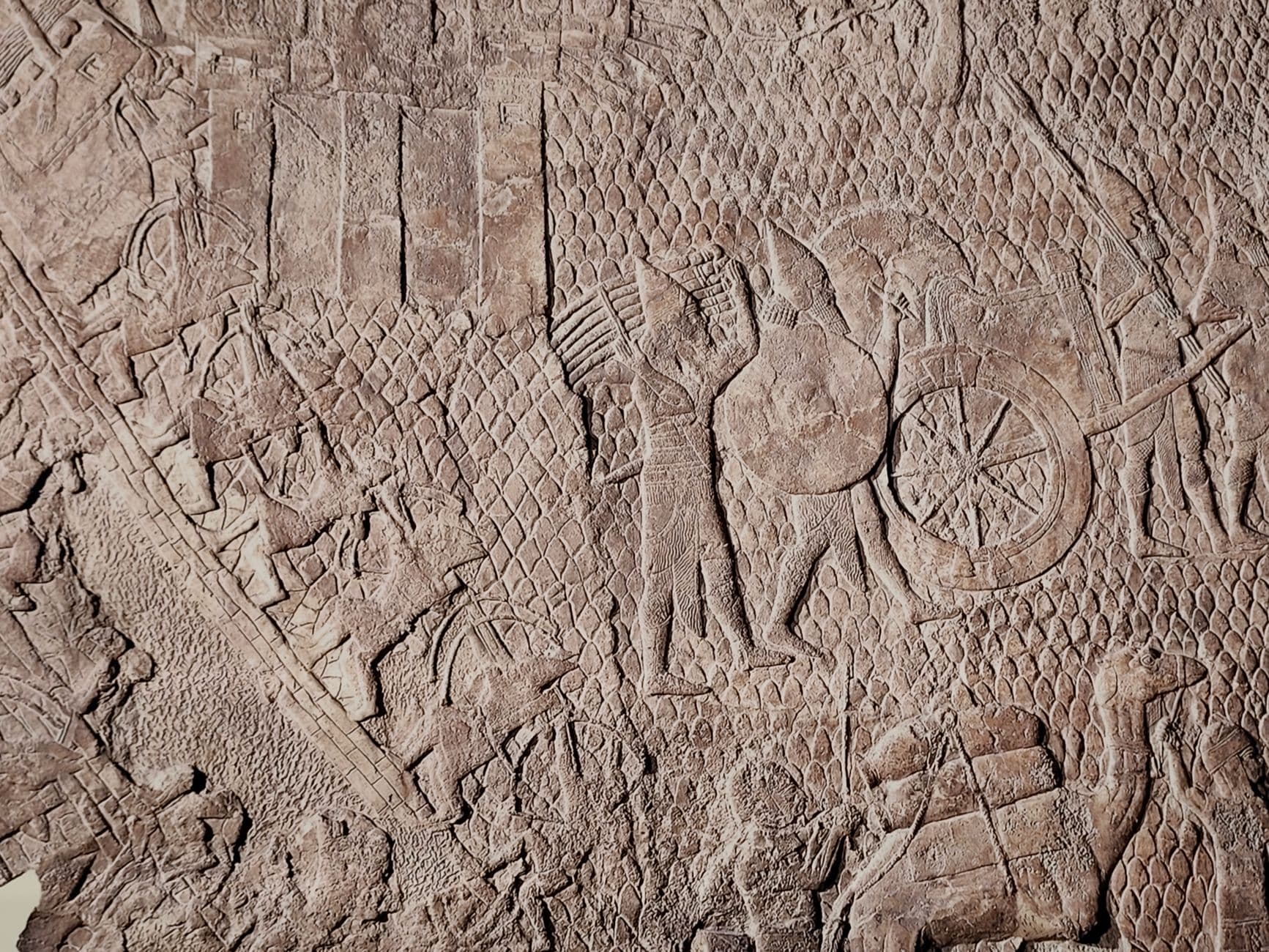
The origins of slavery are lost to human memory, though scholars hypothesize it arose when captives from warfare or crime were put to work rather than killed. Evidence of the practice appears in the earliest civilizations, including Mesopotamia where the Code of Hammurabi (c. 1750 BCE) treated it as an established institution.
Slavery existed across the ancient Near East, Egypt, China during the Shang dynasty (18th–12th century BCE), ancient India, Greece, and Rome. In classical Athens and Roman Italy, it reached the scale of true 'slave societies,' with slaves forming a significant portion of the population and contributing to agriculture, mining, and domestic labor. The Code of Hammurabi regulated aspects of slave ownership, debt bondage, and penalties for harming slaves, reflecting a society where unfree labor supported economic and military structures. Similar patterns appear in Egyptian records of war captives and in early Chinese dynastic texts that document hereditary servitude.
Further afield, ancient Indian texts like the Manusmriti outlined rules for slaves acquired through debt or capture, while Greek city-states relied on helots and chattel slaves for mining and household tasks. Rome's expansion amplified the system, with millions enslaved after conquests in Gaul and the eastern Mediterranean, fueling latifundia estates and urban workshops.
Continuities and Transformations
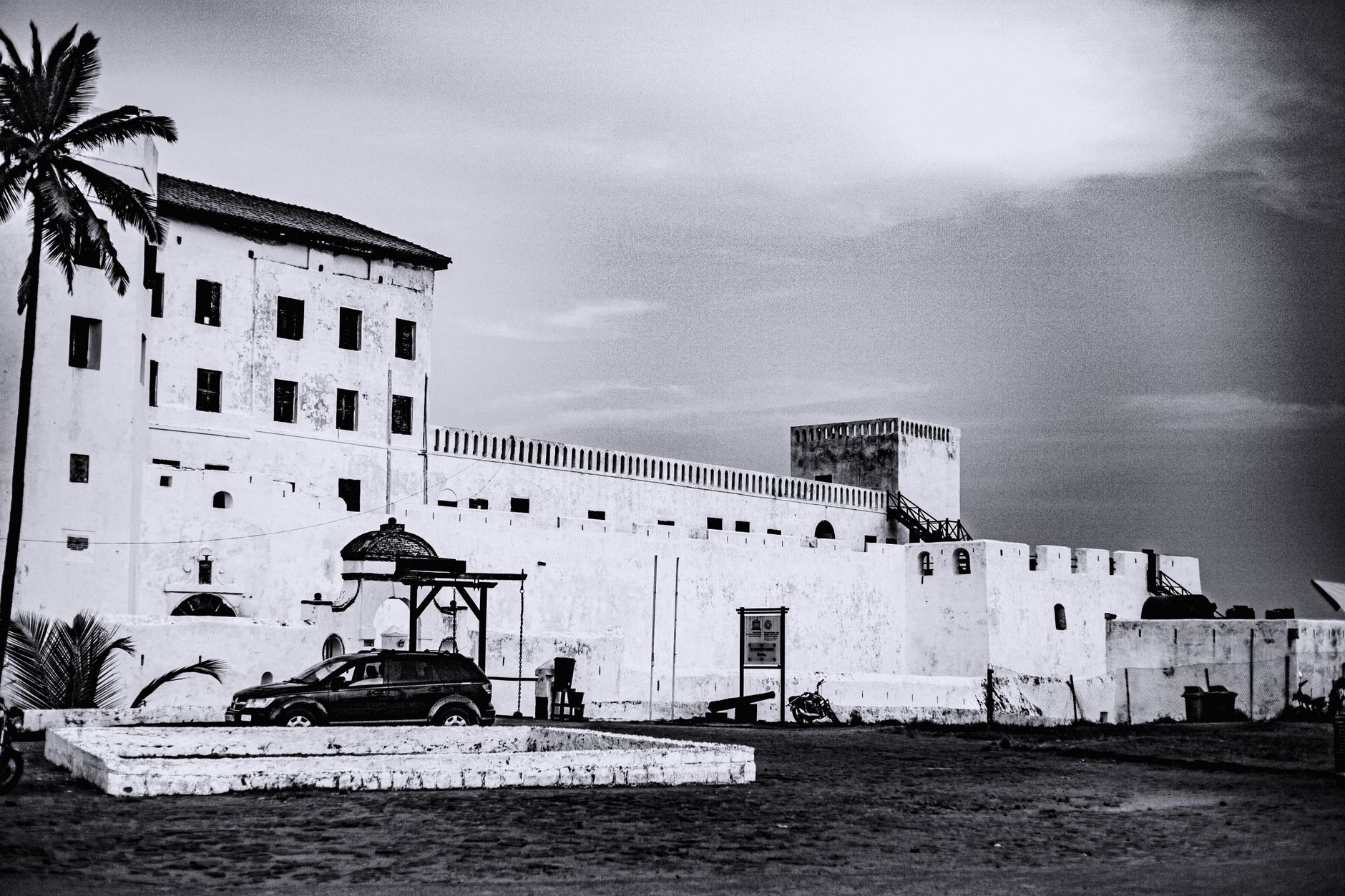
Throughout history, slavery took forms tied to conquest, debt, and trade. The transatlantic slave trade from the 15th to 19th centuries represented a massive expansion, delivering millions of Africans to the Americas. Earlier systems in the Islamic world and elsewhere also involved large-scale enslavement through raids, tribute, and markets stretching from East Africa to Central Asia.
Legal abolition spread in the 19th and 20th centuries, yet the institution evolved rather than disappeared. International efforts, including the 1926 Slavery Convention, sought to suppress it, but practices persisted under new names. The Convention marked the first global treaty framing freedom from slavery as a human right, ratified by dozens of states and influencing later instruments like the Universal Declaration of Human Rights. Its centenary in 2026 highlights both progress and the adaptation of exploitation amid conflict, migration, and supply chains.
Post-abolition, forms such as debt peonage in Latin America, indentured labor in the Pacific, and colonial forced labor in Africa continued the dynamics of coercion. The transatlantic trade alone transported an estimated 12 million Africans, with profound demographic and economic legacies that scholars continue to trace through archives and genetic studies.
Modern Manifestations
Today, modern slavery encompasses forced labor, forced marriage, and human trafficking. Estimates from the International Labour Organization indicate around 49.6 million people lived in modern slavery on any given day in 2021, including 27.6 million in forced labour and 22 million in forced marriage. These forms often intersect with global supply chains, conflict, and economic vulnerability. Recent analyses from Walk Free and partners underscore that Asia and the Pacific host the largest share, while high-income countries are not immune through imported goods and domestic exploitation.
Contemporary drivers include armed conflict displacing populations into trafficking networks, climate-induced migration increasing vulnerability, and digital platforms enabling recruitment for forced labor or sexual exploitation. The private economy accounts for the bulk of forced labor, generating billions in illicit profits according to ILO assessments. Sectors such as agriculture, construction, domestic work, and manufacturing frequently conceal these abuses, with women and children disproportionately affected.
International responses have strengthened since the 1926 framework. The 2000 UN Trafficking Protocol has near-universal ratification, and national laws in many countries mandate supply-chain due diligence. Yet enforcement gaps persist, particularly in conflict zones where state-imposed forced labor remains documented. Grassroots organizations and survivor-led initiatives now play larger roles in identification and prevention, complementing government efforts.
While chattel slavery as legally recognized property has largely ended, the underlying dynamics of exploitation and coercion remain relevant to understanding both past and present. Historical continuities, from debt bondage in ancient codes to today's wage theft and passport confiscation, reveal how economic pressures and power imbalances sustain these practices. Addressing them requires not only legal enforcement but also attention to root causes like inequality, weak labor protections, and global trade structures that reward low-cost production.
Scholars emphasize that viewing modern slavery solely through a criminal lens overlooks its structural ties to legitimate economies. Campaigns marking the 1926 centenary call for renewed political will, better data collection, and integration of anti-slavery measures into development and migration policies. Progress in some regions, such as reduced prevalence in parts of Asia through targeted interventions, offers models, yet the overall scale demands sustained, multi-sectoral action.