

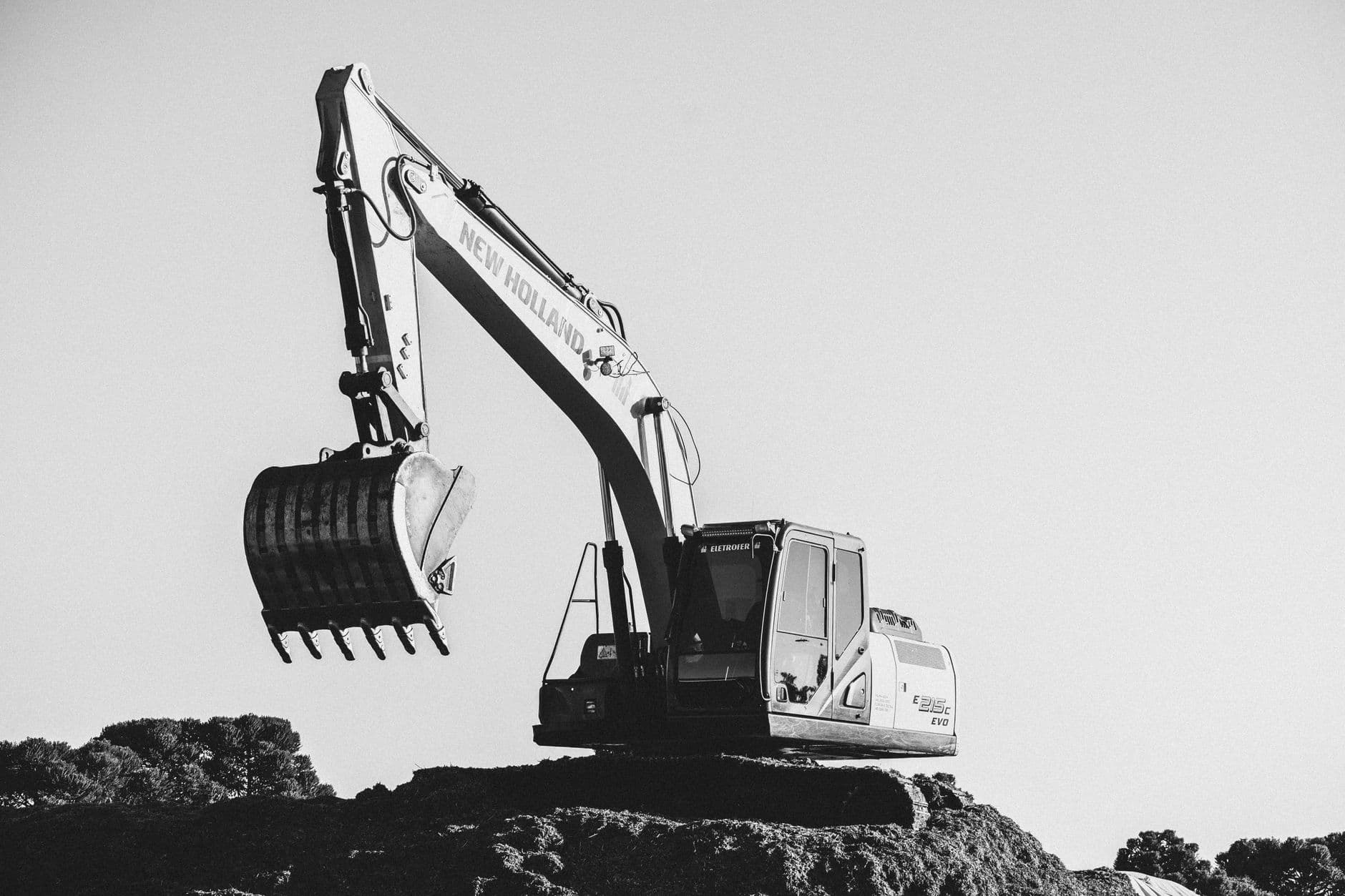
Bedrock Robotics has raised $600 million in a Series C funding round that values the company at $4.1 billion post-money. The round, co-led by CapitalG and Emergence Capital, brings the startup’s total funding to nearly $1 billion since its founding in 2024.
The financing arrives two months after Bedrock achieved a key commercial milestone. In mid-August, fully autonomous excavators began performing paid work on live construction sites without operators in the cab. The company retrofits existing heavy machinery with sensors, computing hardware, and software that enable the equipment to handle tasks such as digging and earthmoving while adapting to dynamic job-site conditions.
From Testing to Revenue-Generating Deployments
Bedrock’s autonomous excavators are now operating at multiple commercial sites. These include a Nevada-based water treatment facility, an earthwork project managed by Champion Site Prep in Texas, and a 1.2 million-cubic-yard civil sitework project with Zachry Construction Corporation. The technology has also been deployed with new partners such as Haydon, a Tempe, Arizona-based general contractor, on a remote Texas site for fully autonomous earthwork. Haydon plans to expand use across building and heavy civil projects including data centers, advanced manufacturing facilities, water infrastructure, and healthcare construction.
Additional customers have come online in recent months, expanding Bedrock’s footprint beyond the West and Central South. New deployments involve Wagner Construction in Minnesota, Smith Trucking Company in Florida, B&S Site Development in Virginia, Native Excavating in Colorado, Clarkson Construction in Missouri, C.W. Matthews in Georgia, and selected ArchKey Solutions projects in Arkansas. The company reports that its customer base has more than doubled since 2025.
Addressing Construction Labor Shortages
Bedrock is positioning its technology as a response to persistent skilled-labor shortages in construction. Operating an excavator proficiently typically requires five or more years of training. At the same time, a large share of the existing workforce is approaching retirement. Industry estimates indicate that more than 40 percent of construction workers may retire within the next five years, while contractors report widespread difficulty filling hourly craft positions.
The company’s systems allow a single experienced operator or supervisor to oversee multiple machines, potentially increasing site productivity and consistency while reducing exposure to hazardous conditions. Investors note that construction underpins much of the U.S. economy and that automation can help existing crews deliver more infrastructure projects without proportional increases in headcount.
Founder Background and Technology Approach
Bedrock was founded by veterans of autonomous-vehicle and robotics programs. CEO Boris Sofman previously led Waymo’s self-driving trucks initiative and co-founded Anki Robotics, the company behind the Cozmo consumer robot. Other co-founders include Waymo alumni Kevin Peterson, who serves as chief technology officer, and Ajay Gummalla, vice president of engineering and infrastructure, along with Tom Eliaz, vice president of engineering and hardware.
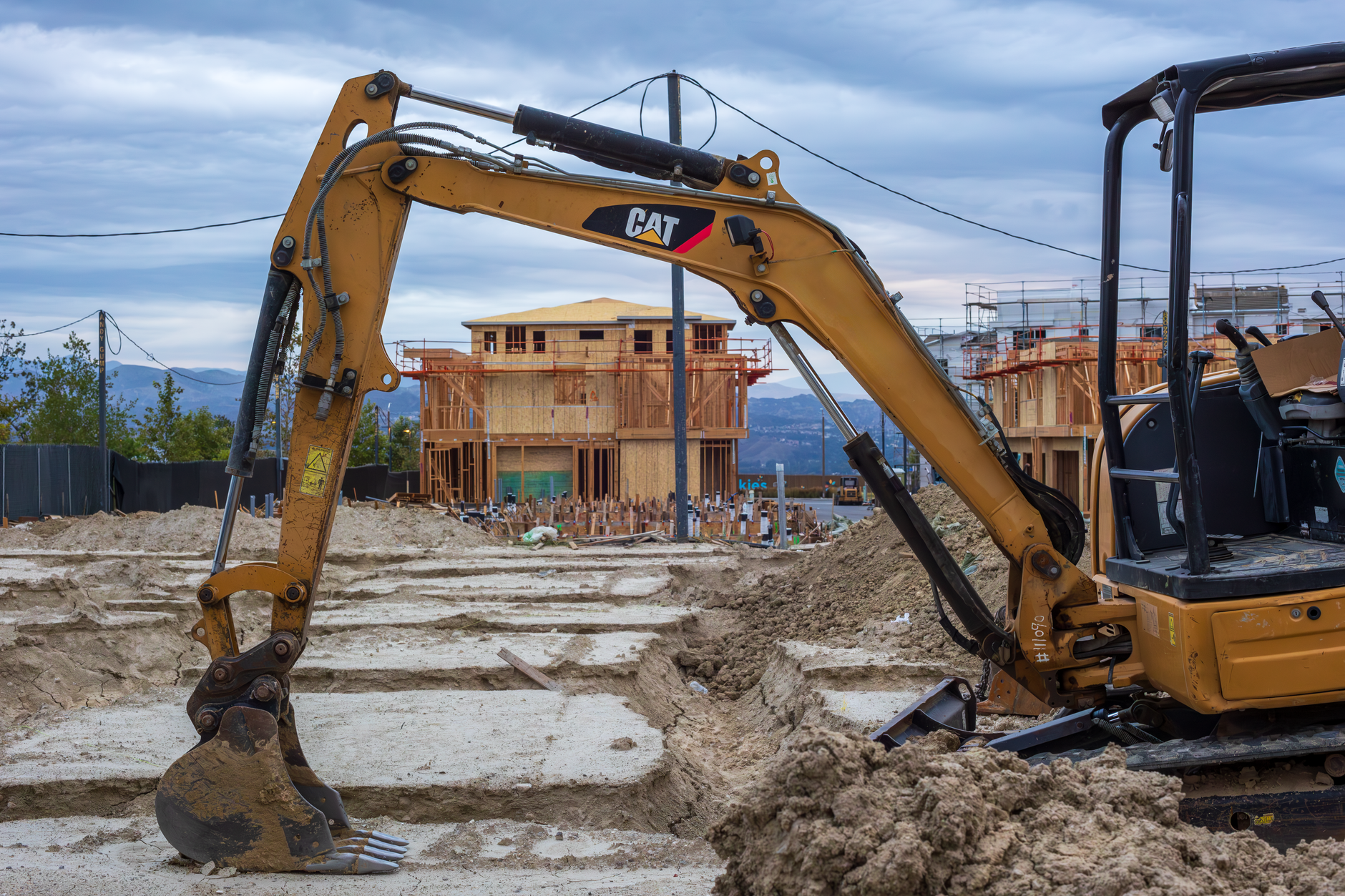
The startup’s core product is a retrofit kit that converts conventional excavators and other heavy equipment from manufacturers such as Caterpillar and others into autonomous units. The approach avoids the need for contractors to purchase entirely new fleets. Machines equipped with Bedrock’s system perceive their surroundings, plan tasks, and execute work while coordinating with human-operated support equipment such as dump trucks.
Investor Participation and Use of Proceeds
New investors in the Series C include US Innovative Technology Fund, Bessemer Venture Partners, and Temasek. Existing backers such as 8VC, Georgian, Valor Equity Partners, Xora, Eclipse, Perry Creek Capital, and Nvidia also participated. The capital will support expanded deployments, growth of field, commercial, and operational teams, and the infrastructure required to make autonomous equipment a reliable component of daily construction workflows.
Two executive appointments accompanied the funding announcement. Amy Jones Satrom, formerly with Amazon, Nuro, and Uber, joined as vice president of operations. Lando Juarez, who previously headed legal for Uber’s autonomous mobility and delivery business, was named general counsel.
Broader Context in Construction Autonomy
Bedrock is one of several companies pursuing autonomy for heavy equipment. In August, Switzerland-based Gravis Robotics raised $200 million in a Series A round from SoftBank, reaching unicorn status with technology that retrofits excavators and other machines from multiple manufacturers. Other entrants have targeted similar retrofit or autonomy solutions for earthmoving and industrial applications.
Earlier rounds for Bedrock illustrate the rapid pace of its development. The company emerged from stealth in 2025 with $80 million and followed with a $270 million Series B in February 2026 that valued it at $1.75 billion. The latest round more than doubles that valuation in roughly eight months.
Industry observers point to the transition from pilot programs to paid commercial work as a significant signal for physical AI applications outside controlled environments. Bedrock executives have stated that the next phase involves scaling deployments while ensuring the systems integrate seamlessly with existing contractor crews and processes.
The funding and deployments occur against a backdrop of sustained demand for U.S. infrastructure and industrial construction. Contractors are exploring automation to improve safety, predictability, and throughput on projects that range from water treatment plants to data centers and transportation corridors.