
The Ongoing Debate
Discussions around artificial intelligence and its potential to replace human workers have intensified in 2025 and 2026, fueled by rapid model improvements and public statements from prominent figures in the field.
Job Market Impacts
Geoffrey Hinton, often called the 'godfather of AI,' has warned that AI could begin replacing many jobs as early as 2026, drawing parallels to the industrial revolution's effects on physical labor. Reports note AI-cited layoffs in the US reaching over 116,000 through August 2026, representing a significant share of announced cuts in some periods. However, overall US unemployment has remained low at around 4.1% in recent months, with some AI-exposed roles showing wage growth.
Analyses suggest that while certain tasks and entry-level white-collar positions face disruption, large-scale displacement has been more limited than some predictions anticipated. Surveys indicate public concern is high, with majorities in many countries expecting net job losses over the next two decades.
Existential and Broader Risks
Some AI researchers have expressed concerns about advanced systems posing existential threats, with estimates of low but non-zero probabilities of severe outcomes within a decade. Experts at institutions like the University of Pennsylvania have countered that scenarios involving AI wiping out humanity by 2030 are highly unlikely, noting slower progress in areas like robotics that would be needed for physical-world control.
Augmentation Over Replacement
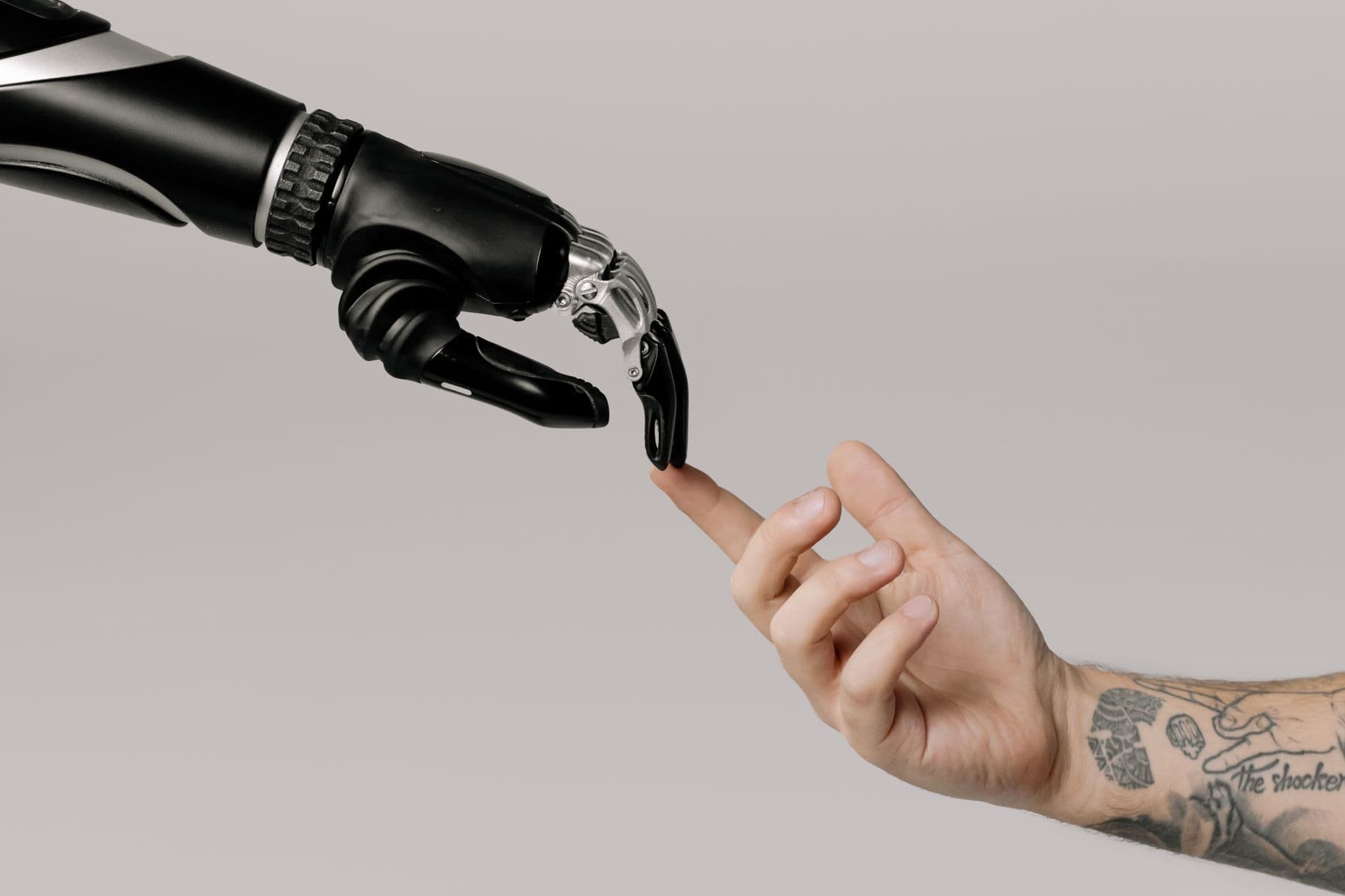
A recurring theme across sources is that AI will not replace humans outright but that humans equipped with AI tools will outperform those without. Harvard Kennedy School commentary underscores this dynamic in business and productivity contexts. Research and opinion pieces emphasize human strengths in judgment, context, ethics, and collaboration that current AI lacks, advocating for hybrid human-AI systems.
Studies on human-AI teams show mixed results, with performance gains in some creative or content tasks but potential losses in decision-making if not managed carefully. The focus for many experts is on adaptation, reskilling, and designing AI to augment rather than supplant human roles.
Looking Ahead
While specific timelines and scales of impact remain subjects of debate, the consensus points toward transformation through collaboration rather than wholesale replacement. Policymakers and organizations are urged to address inequality, training, and governance as AI integrates further into the workforce.