

A Historic Breakthrough in the East
The Alternative for Germany (AfD) secured 43.8 percent of the vote in Saxony-Anhalt on September 6, 2026, falling just short of an absolute majority but marking the strongest performance by any far-right party in a German state election since World War II. Two weeks later, it captured more than 38 percent in Mecklenburg-Western Pomerania. These results build on the party’s 20.8 percent share in the February 2025 federal election.
Foreign Policy Divergence

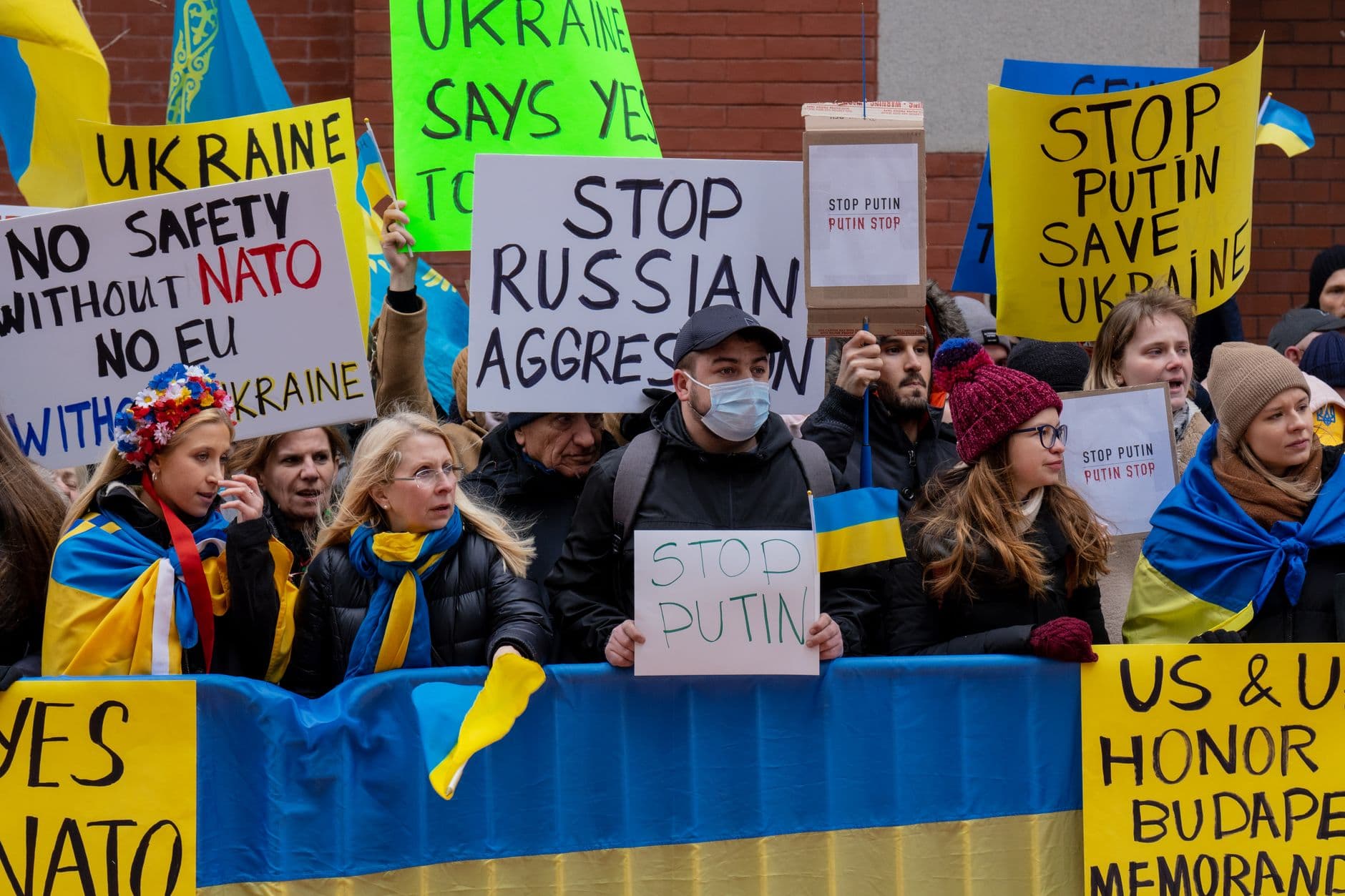
The AfD advocates positions on Ukraine support, foreign aid, and relations with Russia that diverge sharply from those of the current governing coalition. A stronger AfD role at the state or national level could complicate Germany’s contributions to European security frameworks and collective responses to external threats.
Migration and Domestic Security
The party’s emphasis on strict immigration controls and “remigration” policies has already influenced national debate. Shifts in Germany’s approach, as Europe’s largest economy and a key destination for migrants, would likely affect EU-wide asylum rules, border management, and integration efforts.
Broader European Implications
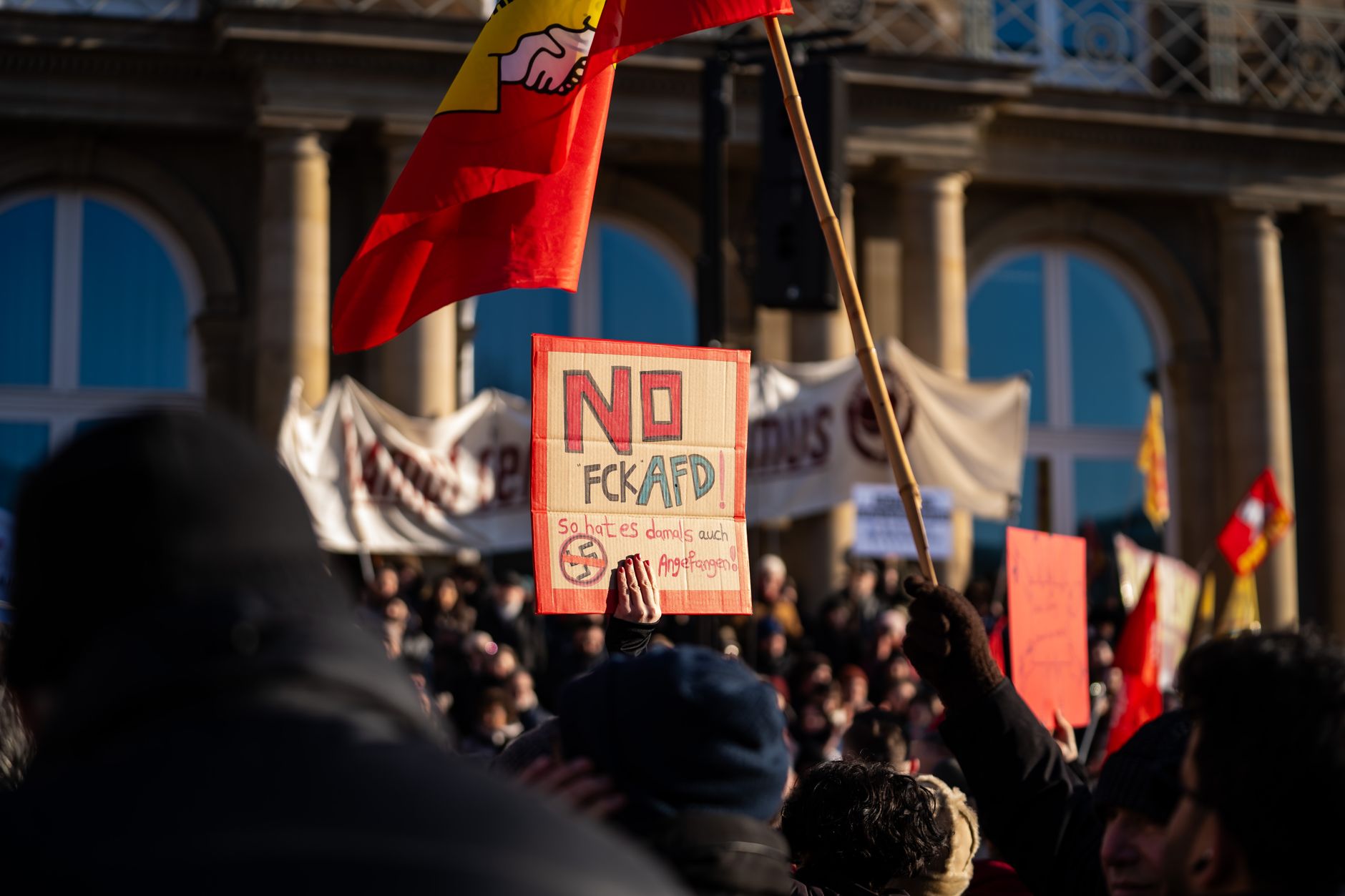
Germany’s postwar commitment to multilateralism and democratic safeguards has long served as a stabilizing force within the EU and NATO. Erosion of the longstanding “firewall” against far-right participation in government risks normalizing similar movements elsewhere, potentially weakening coordinated action on climate, trade, and human rights.
Historical Resonance and Democratic Resilience
Germany’s intelligence services have classified elements of the AfD as right-wing extremist. The party’s advance tests the resilience of institutional barriers erected after 1945. International observers have reason to monitor whether mainstream parties can address voter discontent over economic stagnation and cultural change without compromising core democratic principles.