
Needs verification before publishing:
Exact current status of all listed border crossings as of October 22, 2026
Precise resumption dates for any additional foreign carriers beyond reported examples
U.S. Treasury sanctions imposed on 27 Iranian airlines in early September 2026, as part of Operation Economic Outcast, have significantly curtailed international air travel to and from Iran. The measures, effective after a September 23 wind-down period, threaten secondary sanctions on foreign companies providing services such as fueling, handling, or ticketing to Iranian carriers. This has prompted several countries to suspend or restrict flights by Iranian airlines, including to the UAE, Oman, Georgia, Azerbaijan, and Baghdad.
Foreign carriers including Turkish Airlines, Emirates, Qatar Airways, and Lufthansa have also suspended or limited services to Iran amid the restrictions and ongoing regional tensions. As a result, many travelers are turning to overland routes. Heavy congestion has been reported at border crossings with Turkey, such as Bazargan and Razi, and routes into Armenia leading to Yerevan, where international flights remain more accessible. Overland travel into Azerbaijan remains restricted, while some Iraq border points have reopened after temporary closures. Limited flights to destinations including China, Russia, and parts of Turkey and Armenia continue to operate. The disruptions add to challenges for Iranian civilians seeking to travel abroad or receive air imports, amid broader economic pressures.
Background on Operation Economic Outcast and Aviation Targeting
Operation Economic Outcast, announced in August 2026, represents a broad U.S. campaign to isolate Iran's economy through targeted sanctions across multiple sectors. The September 8 action specifically designated the remaining active Iranian airlines under Executive Order 13902, building on prior measures against carriers like Mahan Air. Treasury officials cited the sector's role in moving weapons, personnel, and illicit cargo. The designations covered 27 airlines along with supporting entities in third countries involved in aircraft procurement and cargo services.
These steps followed an earlier determination that the aviation sector falls under sanctions authorities. Suspended authorizations included permissions for overflights by U.S.-origin aircraft and certain safety-related transactions. A wind-down general license expired on September 23, after which providers faced heightened risks of secondary sanctions that could cut them off from the U.S. financial system.
Immediate Impact on Routes and Carriers
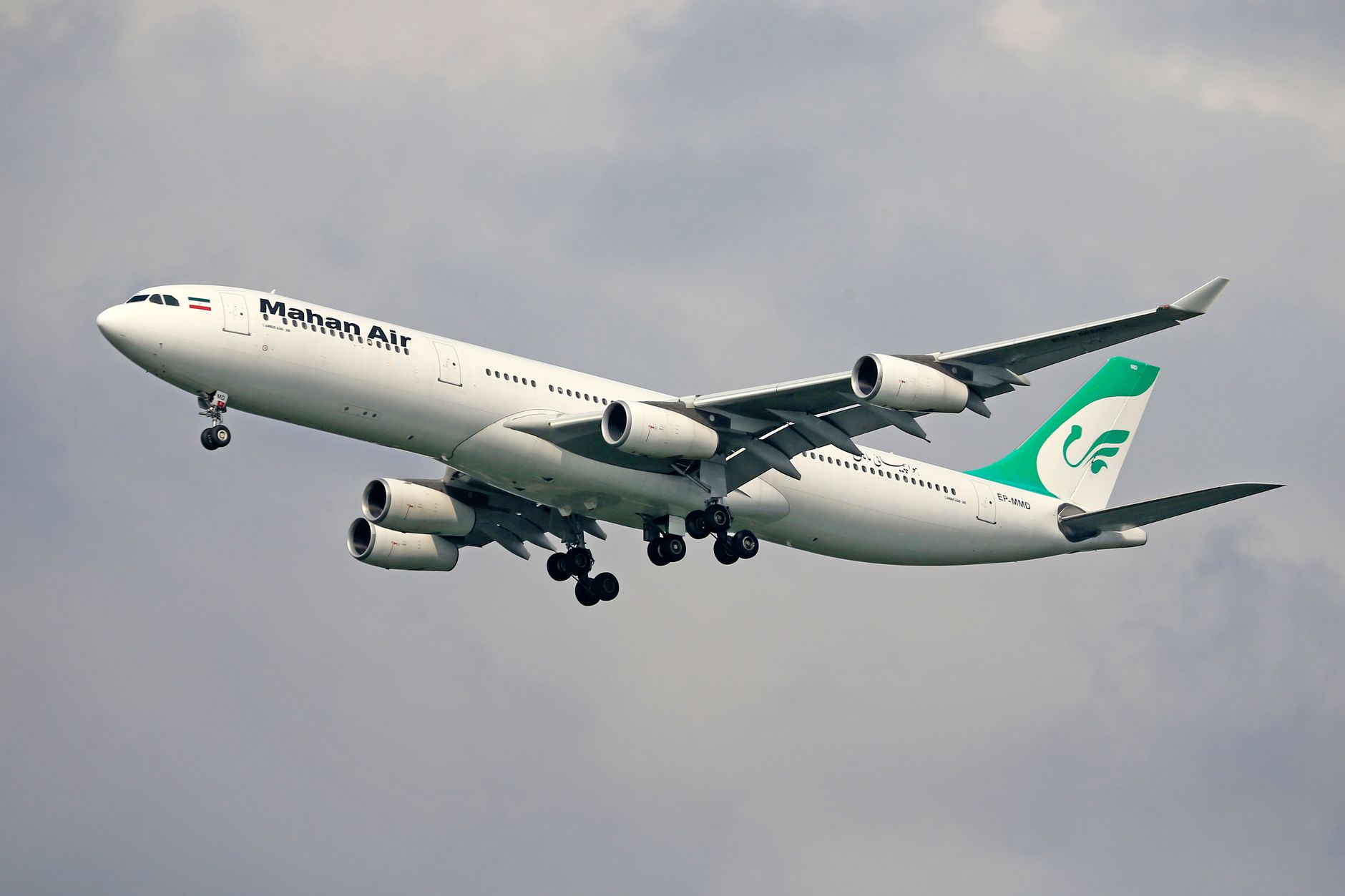
Following the deadline, several nations aligned with the pressure. The UAE, Oman, Georgia, and Azerbaijan suspended Iranian airline operations. Iraq halted flights to Baghdad, with some redirection to Najaf discussed. Turkish carriers such as Turkish Airlines, Pegasus, and AJet removed Iran flights from schedules, with Turkish Airlines indicating no service until at least March 2027. Emirates, Qatar Airways, and Lufthansa also paused or scaled back services to Tehran and other Iranian cities.
Some routes persisted or saw partial recovery by mid-October. Flights to China, including Guangzhou and Shanghai, continued with increased frequency on certain days. Services to Russia and select Armenian or Turkish points operated via smaller Iranian carriers. By late October, limited resumptions appeared, such as SalamAir restarting Muscat-Tehran flights twice weekly and Iraqi Airways operating daily Najaf services. These exceptions highlight uneven compliance and the difficulty of fully severing all links.
Shift to Overland Travel and Border Realities
With air options diminished, overland corridors gained prominence. Travelers from Tehran often head northwest to Tabriz before crossing into Turkey at Bazargan-Gürbulak, which operates around the clock but sees long queues from freight traffic. The Razi-Kapıköy crossing offers daytime hours. From there, onward travel to Istanbul or other hubs for international connections becomes necessary. Reports describe journeys stretching 2,400 kilometers by coach, with ticket prices rising due to demand and fuel costs.
Armenia provides another key outlet. The Nordooz-Agarak border crossing remains open, though processing can take a full day. Arriving in Yerevan allows access to Zvartnots International Airport and its connections to Europe and Russia. Azerbaijan routes stay largely restricted. Iraq borders show mixed status, with some points handling limited traffic after earlier closures. Pakistan and Afghanistan crossings carry additional advisories from governments due to security concerns.
These land alternatives have transformed daily realities for business travelers, families, and those seeking medical or educational opportunities abroad. Congestion at popular crossings has extended wait times, while coach operators report higher volumes.
Broader Effects on Civilians and Economy
The aviation curbs compound existing economic strains. Direct short-haul flights, such as Tehran to Dubai that once took under three hours for $100-200, now require circuitous routes lasting up to 18 hours and costing over $1,000. Booking agents note instability, with last-minute cancellations common and some halting sales temporarily. Revenues for airlines and related services have declined sharply.
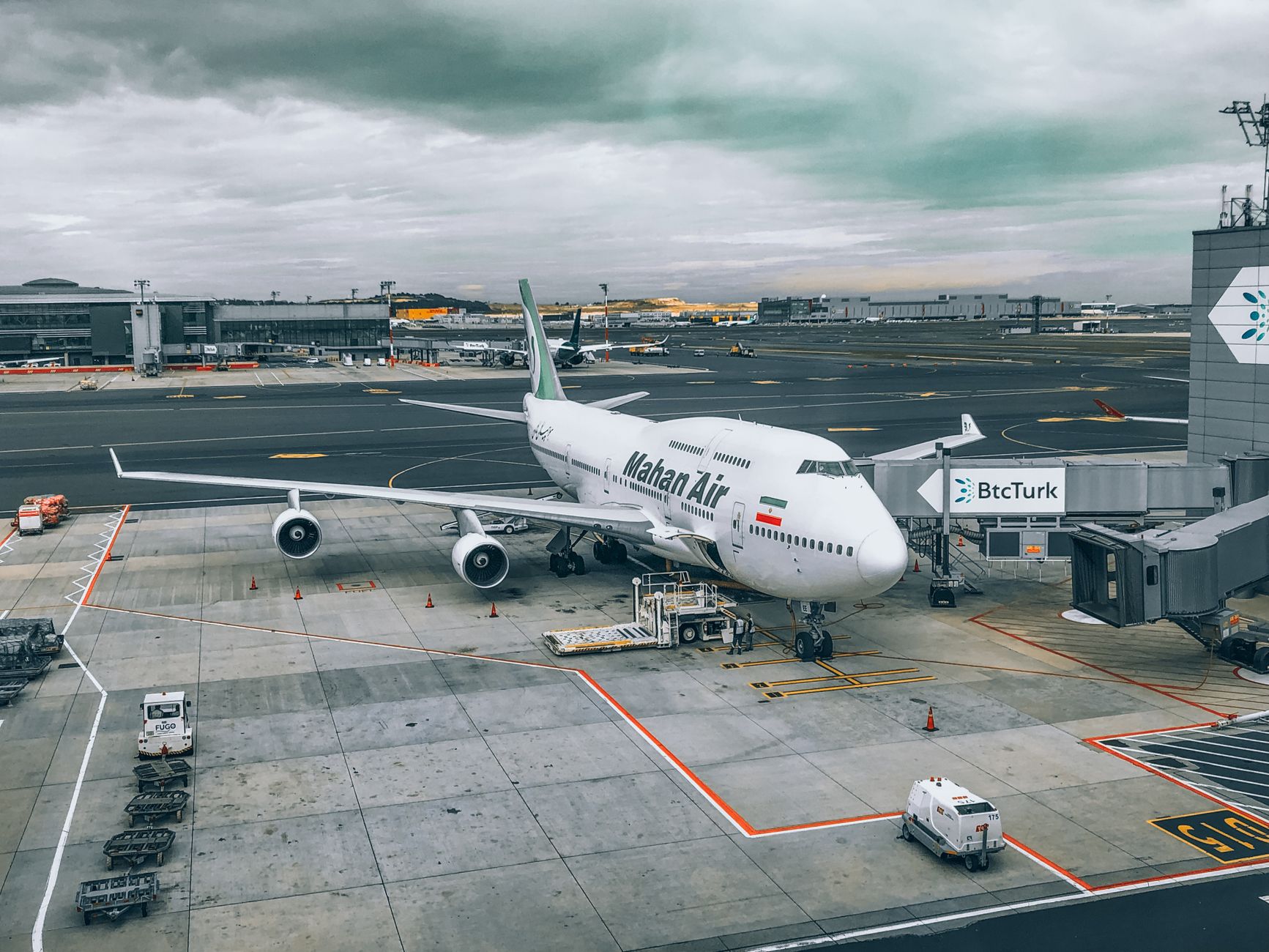
Imports reliant on air freight face delays, affecting goods ranging from medical supplies to consumer items. Tourism has further contracted. Iranian officials have raised objections through international aviation bodies and continue diplomatic efforts to restore routes.
Context from prior years shows Iran's civil fleet already operating under long-standing restrictions, relying on aging aircraft and complex procurement networks. The latest measures intensify that isolation.
Regional and International Responses
China has publicly opposed the sanctions as illegal while maintaining flight links. Russia and other partners have sustained limited connectivity. Some foreign airlines have tested cautious returns, though major Western and Gulf carriers remain cautious amid secondary sanctions risks. Tracking data from the period around the September deadline showed Iranian carriers handling nearly all remaining international links, concentrated through Turkey and a few other hubs before further cuts.
For travelers planning around these conditions, resources like practical guides to 2026 destinations can offer insights into alternative hubs and routing strategies amid shifting connectivity.
Outlook as of Late October 2026
More than a month after the key deadline, the situation remains fluid. Partial resumptions on select routes coexist with persistent suspensions and reliance on land borders. The sanctions have achieved measurable reductions in capacity, particularly for shorter regional hops, while longer connections to Asia and Eurasia prove more resilient. Iranian civilians continue adapting through overland options and selective air services, though at higher costs and with greater uncertainty. Further developments will depend on enforcement, diplomatic negotiations, and any adjustments by third-country providers.