

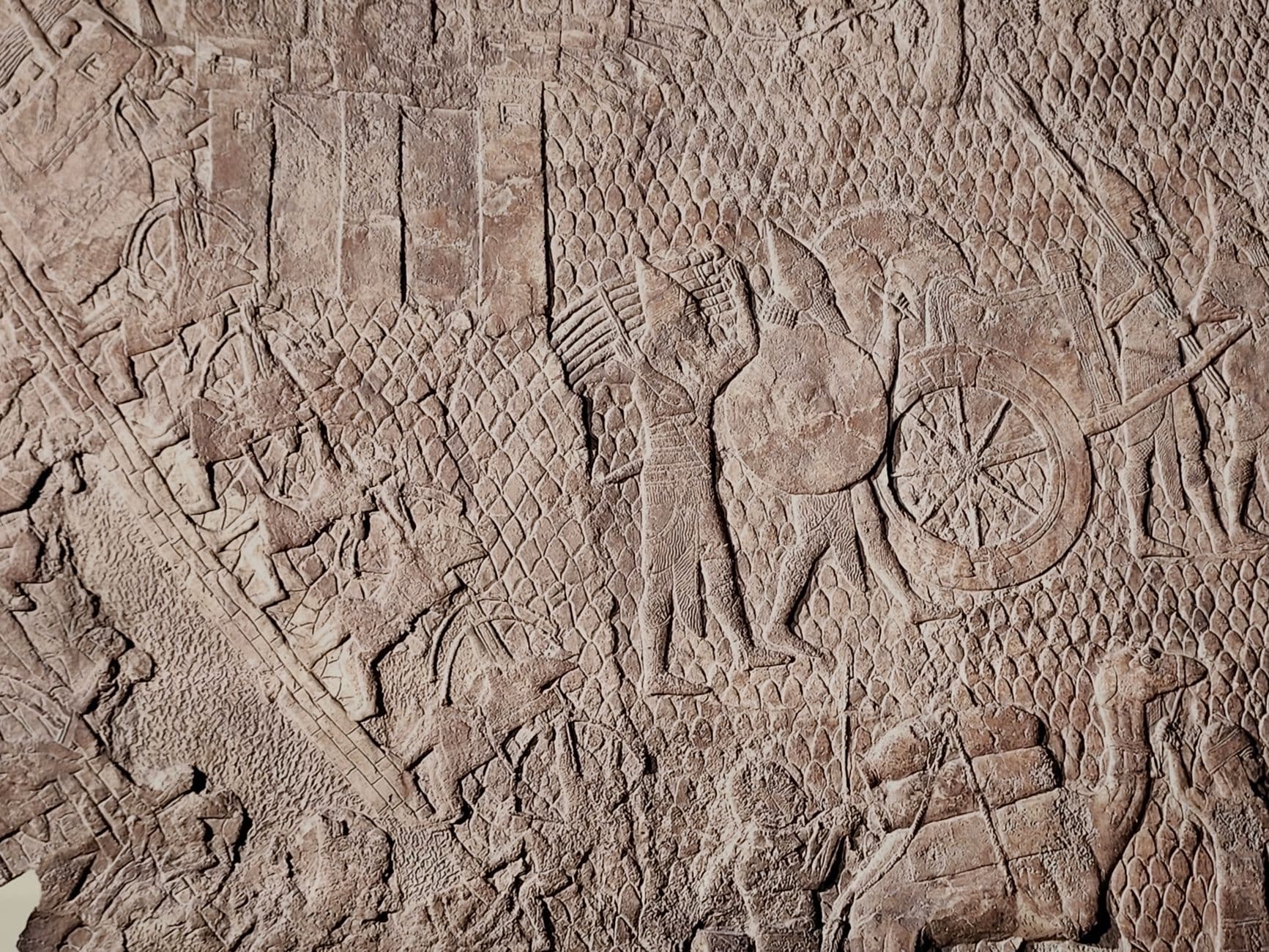
Ancient Beginnings
The origins of slavery are lost to human memory, though scholars hypothesize it arose when captives from warfare or crime were put to work rather than killed. Evidence of the practice appears in the earliest civilizations, including Mesopotamia where the Code of Hammurabi (c. 1750 BCE) treated it as an established institution.
Slavery existed across the ancient Near East, Egypt, China during the Shang dynasty (18th–12th century BCE), ancient India, Greece, and Rome. In classical Athens and Roman Italy, it reached the scale of true 'slave societies,' with slaves forming a significant portion of the population and contributing to agriculture, mining, and domestic labor.
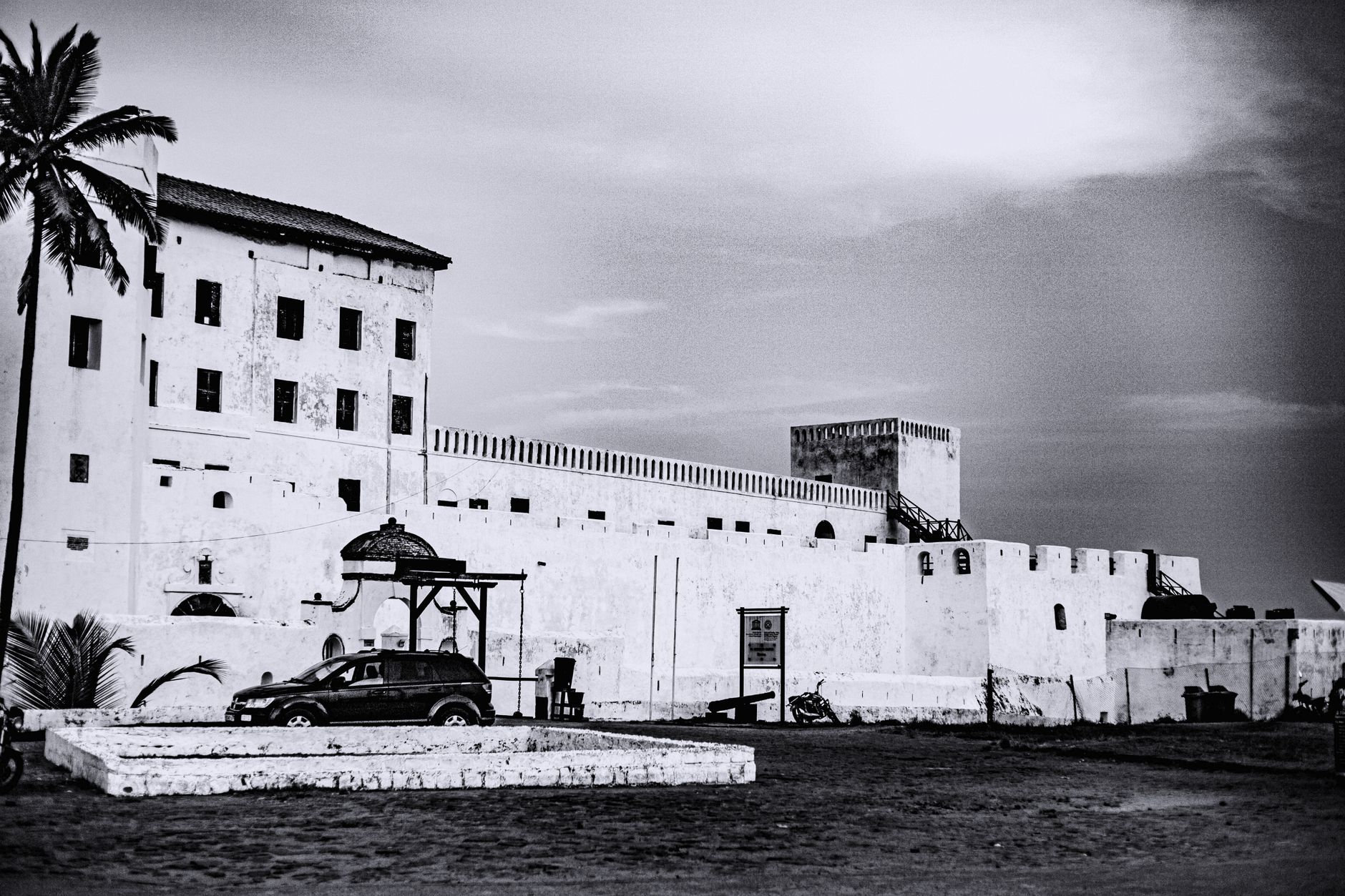
Continuities and Transformations
Throughout history, slavery took forms tied to conquest, debt, and trade. The transatlantic slave trade from the 15th to 19th centuries represented a massive expansion, delivering millions of Africans to the Americas. Earlier systems in the Islamic world and elsewhere also involved large-scale enslavement.
Legal abolition spread in the 19th and 20th centuries, yet the institution evolved rather than disappeared. International efforts, including the 1926 Slavery Convention, sought to suppress it, but practices persisted under new names.
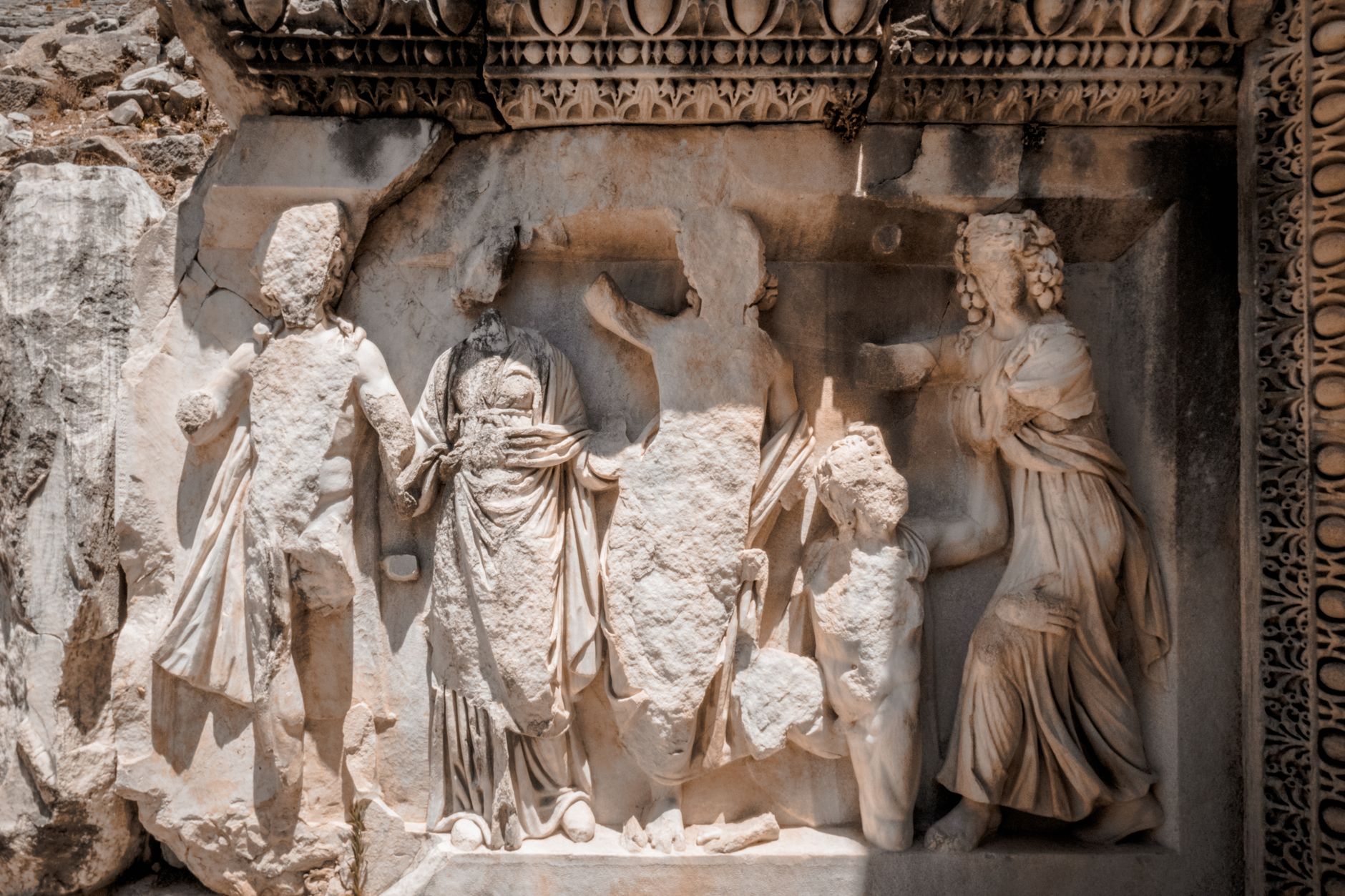
Modern Manifestations
Today, modern slavery encompasses forced labor, forced marriage, and human trafficking. Estimates from the International Labour Organization indicate around 49.6 million people lived in modern slavery on any given day in 2021, including 27.6 million in forced labour and 22 million in forced marriage. These forms often intersect with global supply chains, conflict, and economic vulnerability.
While chattel slavery as legally recognized property has largely ended, the underlying dynamics of exploitation and coercion remain relevant to understanding both past and present.