

Balkan countries pursue markedly different approaches to Israel, driven by internal divisions, arms deals and ties to Washington rather than a common regional policy, according to analysts.
Fragmented positions across the region
Experts note the absence of shared stances among Balkan states on Israel and the Gaza conflict. “The Balkan countries have almost no common positions at all, and so it’s not surprising their positions towards Israel and Gaza are all over the map,” Marko Prelec of the International Crisis Group told Al Jazeera. “Each country goes its own way.”
Domestic calculations and unresolved identity issues often override broader regional considerations.
Bosnia and Herzegovina: Deepening ethnic divides
In Bosnia and Herzegovina, the Gaza conflict has exacerbated existing ethno-national splits. Bosniak representatives and much of the public in the Federation have voiced strong solidarity with Palestinians. In contrast, leaders in Republika Srpska have expressed open support for Israel, with some Croat figures showing a more sympathetic stance toward Jerusalem.
Serbia: Arms exports amid balancing act
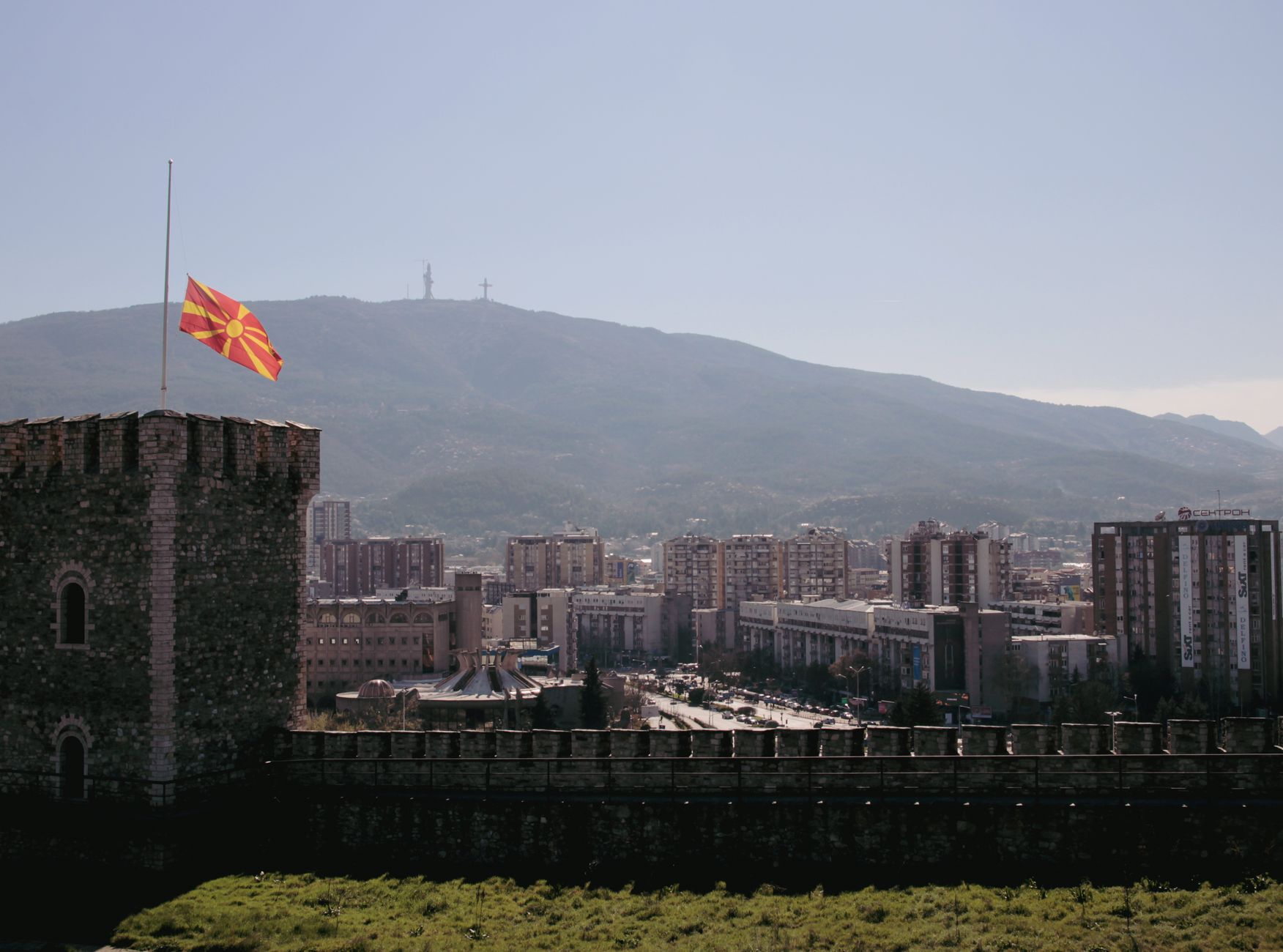
Serbia maintains historically friendly ties with Palestine and has supported Palestinian membership in international bodies. At the same time, Belgrade has exported ammunition and arms to Israel since October 2023, blending defence economics with its multi-vector foreign policy.
Kosovo and Albania: Anchored to Washington
For Kosovo and Albania, policy toward Israel is closely linked to security partnerships with the United States. Under the 2020 Washington Agreement, Kosovo recognised Israel in exchange for Israeli recognition of its independence and later opened an embassy in Jerusalem.
Recent developments include expanded cooperation agreements between Albania and Israel covering trade, technology, security and tourism.