

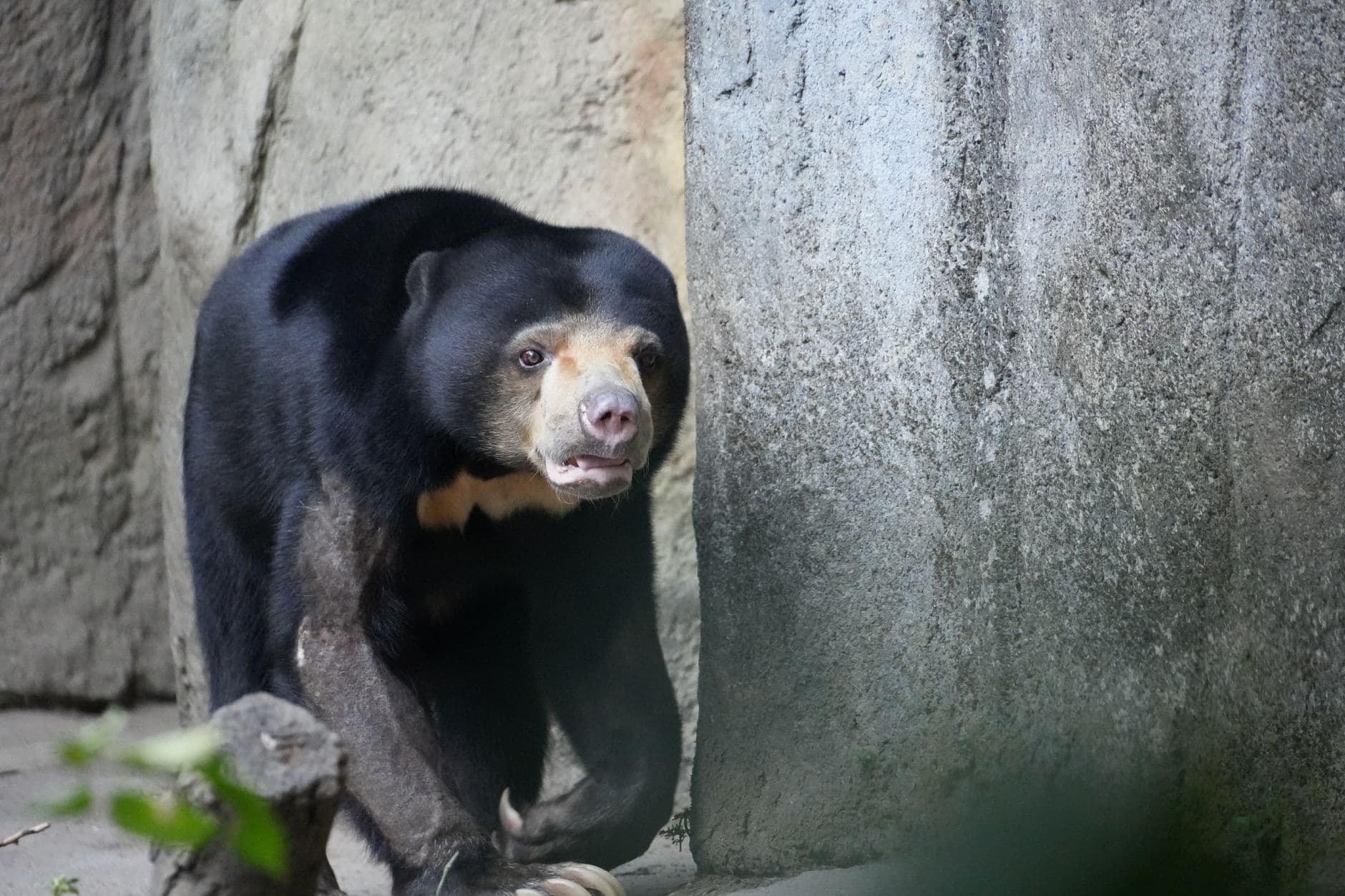
A rare albino Asian black bear was captured on drone footage in China’s Shennongjia National Park in early October 2026, offering a striking view of genetic variation within the species in one of the country’s premier protected areas.
The Recent Sighting
Photographer Chen Jinwu used a drone with zoom capabilities to record the bear in the Xiagu Township area of the Shennongjia Forestry District in Hubei Province. The footage, released around October 5-10, shows the animal climbing tall trees, scratching against branches, resting, and feeding on wild fruit such as those from the Cornus tree. Observers noted the bear appeared calm, healthy, and undisturbed by the distant recording.
The video quickly circulated on platforms including YouTube and news outlets, drawing attention from wildlife enthusiasts and media such as Al Jazeera and Chinese state media.
Background on Asian Black Bears
Asian black bears, also known as moon bears for the crescent-shaped chest mark on many individuals, range across parts of Asia including China, Japan, and Southeast Asia. They are adaptable omnivores that climb trees skillfully and forage on fruits, insects, and small mammals. The species faces pressures from habitat loss and poaching in many regions, though protected areas like Shennongjia provide critical refuges.
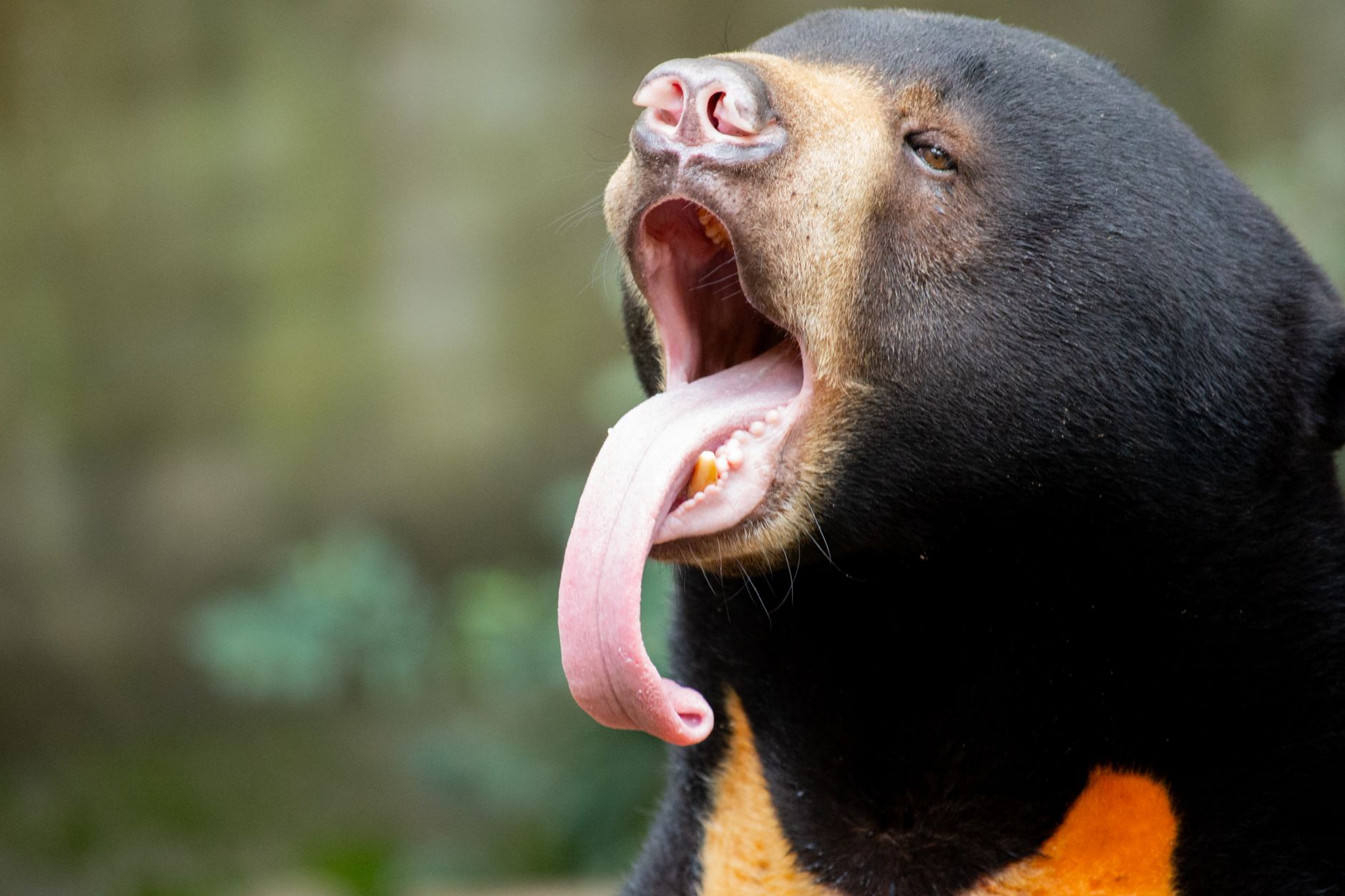
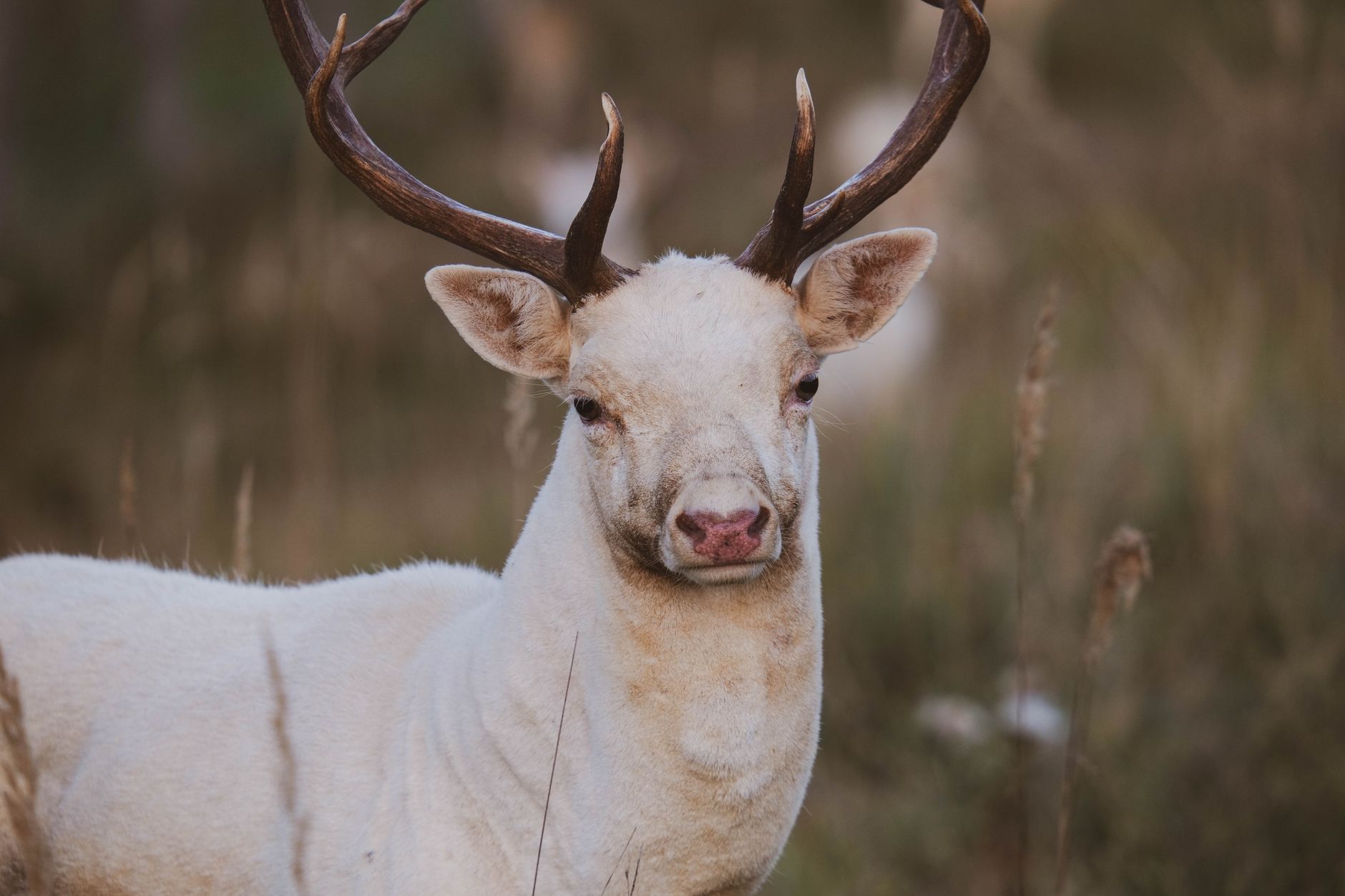
Albinism in these bears stems from a recessive genetic mutation that reduces melanin production, resulting in white or pale fur rather than the typical black coat. Such individuals remain exceptionally rare in the wild because the mutation must occur in both parents for expression, and survival challenges can arise from reduced camouflage or vision issues sometimes associated with albinism.
Shennongjia as a Biodiversity Hotspot
Shennongjia National Park encompasses a UNESCO World Natural Heritage site inscribed in 2016. It protects some of the largest remaining primary forests in central China and serves as habitat for species including the golden snub-nosed monkey, Chinese giant salamander, clouded leopard, and Asian black bear. The park has recorded multiple albino or white variants of wildlife over decades, including white Reeves’s muntjac, white-crowned gibbons, and others, earning it a reputation as a site with notable genetic diversity for such traits.
According to the IUCN World Heritage Outlook assessment finalized in October 2025, the conservation outlook for the site is rated “good with some concerns.” The assessment highlights effective protection of core ecosystems but calls for tighter controls on tourism numbers and activities in buffer zones to limit human impacts.
Conservation Measures and Monitoring
Local authorities have implemented an integrated monitoring system combining satellite imagery, drone nests, infrared cameras, and ranger patrols. This network has aided documentation of elusive animals, including the recent albino bear sighting conducted at a safe distance without approaching or feeding the animal.
Broader efforts include habitat restoration projects that have contributed to rising biodiversity indicators in the region. China’s national park system, expanded in recent years, places emphasis on balancing protection with limited sustainable use. For context on regional environmental pressures in Asia, see related coverage on haze impacts from fires in Southeast Asia at this article.
Challenges and Outlook
Despite successes, the park and surrounding areas contend with pressures from climate variability, potential tourism growth, and historical habitat fragmentation. Experts emphasize that single sightings like this albino bear do not alone prove population recovery but do illustrate the value of sustained protection for allowing rare genetic expressions to persist.
Future plans include expanded monitoring and public education to foster support for biodiversity. The footage serves as a reminder of the hidden diversity within familiar species and the role of technology in non-invasive wildlife observation.
Additional context on bear conservation globally underscores that protected zones remain vital as human expansion continues. In China, similar initiatives in other provinces have helped stabilize certain bear populations, though data specific to albino variants stays limited due to their scarcity.
Overall, the event reinforces Shennongjia’s status as a living laboratory for understanding wildlife adaptation and the outcomes of dedicated conservation work in central China.