

Short-Term Momentum Builds Then Fades
Bitcoin posted notable gains in the days leading up to September 22, 2026, recovering from lows around $75,000 earlier in the month to trade near $85,000–$86,000. Daily closes on September 21 reached approximately $85,932 to $86,603 across sources, following a strong session on September 18 that pushed prices above $80,000.
By mid-to-late October the picture shifted. Prices consolidated in the low-to-mid $80,000s, with recent closes around $82,000 to $84,000 amid intraday swings. A modest rebound in the third week of October lifted the asset briefly above $84,000 before profit-taking and broader market caution pulled it back.
Year-Over-Year Perspective
Despite the September uptick, Bitcoin trades substantially lower than levels recorded one year earlier, with figures around $112,000–$115,000 in September 2025. This represents a decline of roughly 24–25 percent over the trailing twelve months, even as the asset has fluctuated within a broader range that includes an all-time high near $126,000 in late 2025.
The drawdown from the October 2025 peak stands near 34 percent as of late October 2026. A summer low near $58,000 in July 2026 marked the cycle bottom before the partial recovery. Institutional accumulation and ETF inflows have provided support, yet the gap to prior highs remains wide.

Volatility Remains the Norm
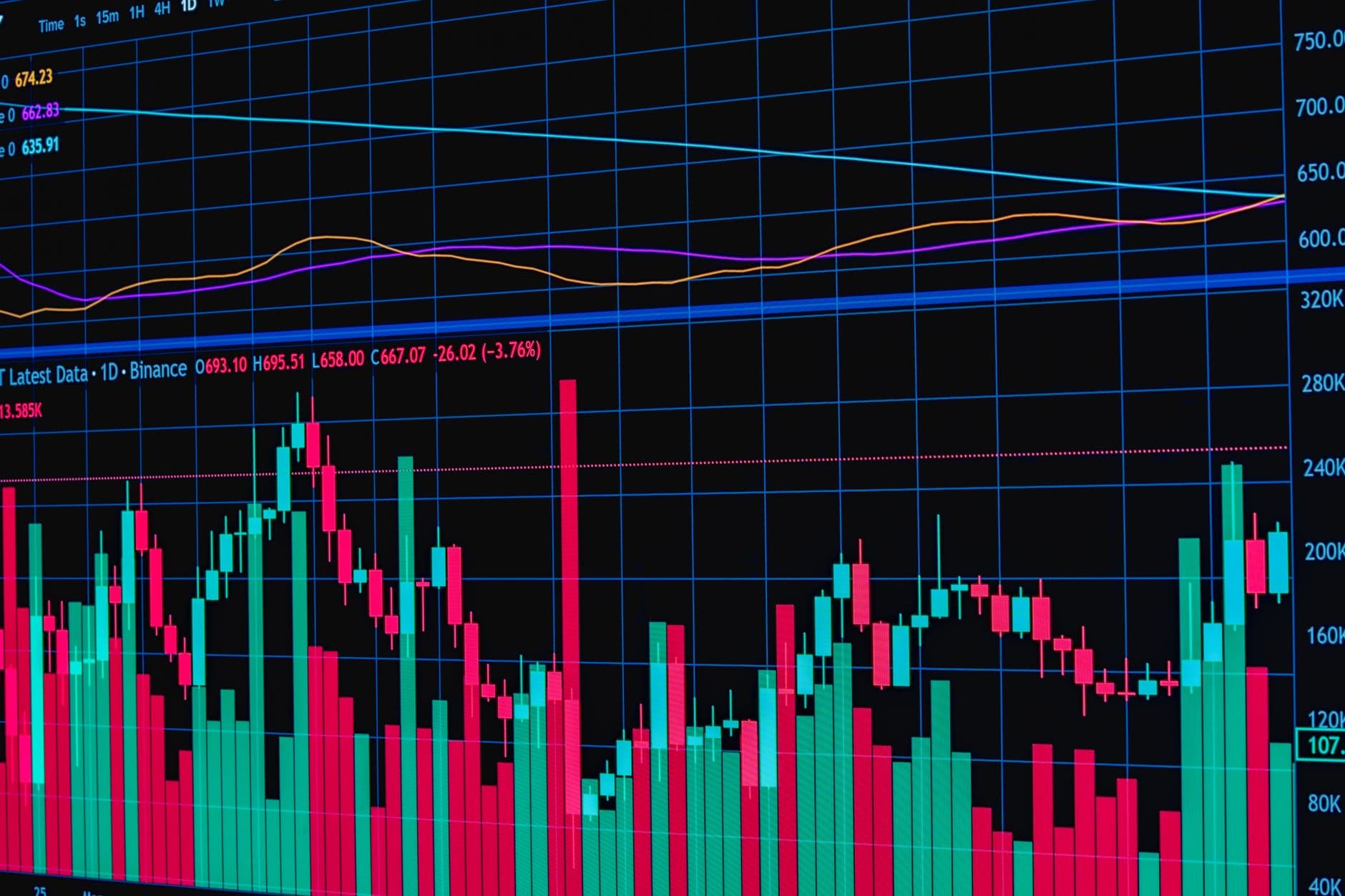
Price action in September and October 2026 featured intraday swings of several thousand dollars, underscoring the asset's inherent volatility rather than a clear directional trend. Observers may interpret the latest rebound as evidence of underlying demand, while others see the multi-month pullback from peak levels as a sign of cooling enthusiasm.
Leveraged positions amplified moves. One recent session saw roughly $84 million in liquidations, the majority from short bets, illustrating how derivatives activity can fuel short-term squeezes even when fundamentals stay mixed.
Broader Market Context and Institutional Flows
Bitcoin's path reflects both crypto-specific dynamics and macro influences. Spot Bitcoin ETFs recorded inflows exceeding $500 million over several days in mid-October, adding steady buying pressure. Corporate treasuries and funds continue to allocate, with some forecasts from major asset managers projecting annualized returns near 10 percent over the coming decade despite elevated volatility.
Correlation with traditional risk assets persists. Rebounds often coincide with strength in equities and easing Treasury yields, while selloffs align with higher oil prices or growth concerns. Switzerland's approval of a retail spot Bitcoin ETF in October added another layer of legitimacy in European markets.

Analysts remain divided on near-term targets. Some see $85,000–$87,000 as immediate resistance, with a break potentially opening room toward $90,000 if ETF momentum holds. Others highlight risks around the late-October Federal Reserve meeting and lingering questions about corporate AI spending that could weigh on sentiment.
Looking Ahead: Cycle Comparisons and Investor Implications
Bitcoin's current position echoes prior post-peak consolidations, though the scale of institutional participation differs from earlier cycles. The four-year halving rhythm continues to shape narratives, yet regulatory clarity, ETF infrastructure, and corporate adoption now play larger roles than in 2017 or 2021.
Investors weighing entry points face a market where short-term rebounds can appear decisive but often give way to range-bound trading. Position sizing, risk management, and attention to on-chain metrics and ETF flow data offer clearer signals than price alone.
Related coverage of recent liquidations and market structure appears in Nearly $1 Billion in Crypto Bets Liquidated as Bitcoin, Ether and XRP Slide. The episode underscores how leverage can magnify both upside bursts and downside corrections in the current environment.
Overall, Bitcoin sits at an inflection point. The September rebound demonstrated resilience after the summer low, yet the year-over-year decline and distance from the 2025 high remind participants that cycles include extended periods of digestion. Monitoring ETF flows, macro data, and derivatives positioning will likely prove more instructive than headline price moves in the weeks ahead.