

Sourcing/perspectives note for the editor: Sources include NIDA/NIH researchers and leadership, peer-reviewed trial publications (Lancet, Am J Psychiatry), VA clinical trial announcements, SAMHSA/NSDUH government survey data, and mainstream reporting featuring clinicians and patients. Perspectives center on promising early efficacy data and the need for further research; no major conflicting expert viewpoints were identified in available sources.
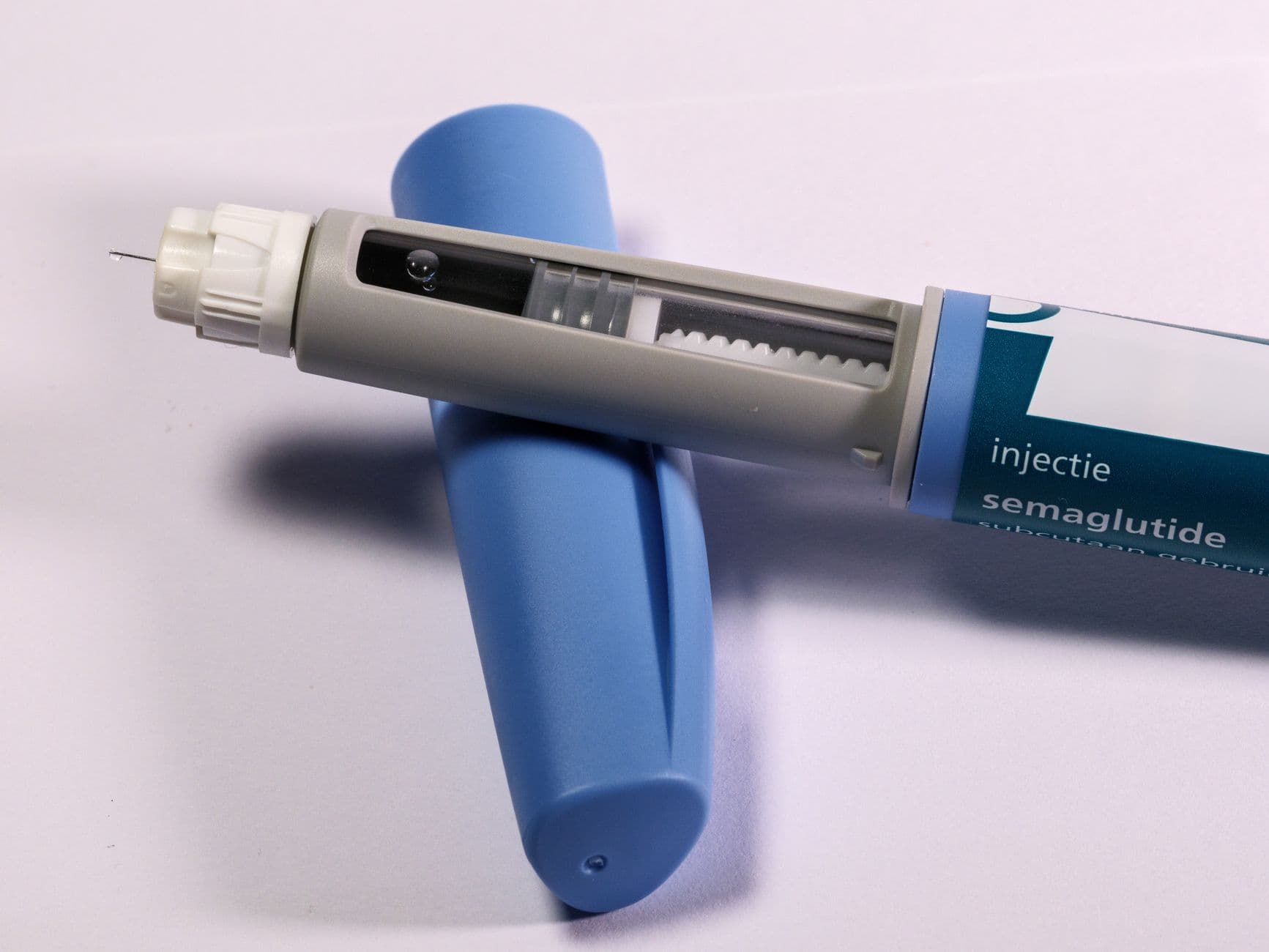
In late 2026, researchers and clinicians are examining whether GLP-1 receptor agonists, a class of medications first approved for type 2 diabetes and later for weight management, could offer a new pharmacological approach to substance use disorders. Early randomized trials have reported reductions in heavy drinking days and self-reported cravings, while observational data and pilot programs suggest broader effects on alcohol, opioids, and other substances.
Scale of the Challenge and Treatment Gaps
The 2025 National Survey on Drug Use and Health estimated that 25.7 million Americans ages 12 and older met criteria for alcohol use disorder in the past year. Only 2.6 percent of those individuals received any FDA-approved medication for the condition. For opioid use disorder, the figure stood at 15.7 percent receiving medications for opioid use disorder. These low treatment rates persist even as overall substance use disorder prevalence reached nearly 45 million people.
Standard treatments include behavioral therapies, mutual-support groups, and a limited set of approved medications such as naltrexone, acamprosate, and disulfiram for alcohol use disorder, or methadone, buprenorphine, and naltrexone for opioid use disorder. Many people cycle through multiple attempts before achieving sustained recovery, and access barriers remain significant in rural areas and among certain populations.
Emerging Evidence from Clinical Trials
A 2026 randomized, double-blind, placebo-controlled trial published in The Lancet tested once-weekly semaglutide in 108 adults with moderate to severe alcohol use disorder and comorbid obesity. Participants receiving semaglutide experienced a 41.1-percentage-point reduction in heavy drinking days over 26 weeks, compared with a 26.4-percentage-point reduction in the placebo group. The medication also produced larger decreases in total alcohol consumption and drinks per drinking day, along with improvements on craving scales and biomarkers of alcohol use.
An earlier phase 2 trial of oral semaglutide in treatment-seeking adults with alcohol use disorder found significant reductions in heavy drinking days, drinks per drinking day, naturalistic craving, and alcohol-related consequences, though laboratory-assessed craving did not differ significantly from placebo. Researchers noted that more participants in the semaglutide arm reduced their World Health Organization risk drinking level.
The U.S. Department of Veterans Affairs launched a larger trial in 2026 enrolling over 600 veterans across 18 sites to test semaglutide for alcohol use disorder, with results expected to inform broader use. Additional trials examining effects on opioids and combinations with existing treatments are underway or planned.
Mechanisms and Supporting Observations
GLP-1 receptor agonists act on receptors in the brain’s reward circuitry, including areas involved in dopamine signaling. A perspective in Science co-authored by NIDA Director Nora Volkow highlighted how these medications may modulate the same pathways implicated in both overeating and substance use. Retrospective analyses of electronic health records have shown lower rates of new substance use disorder diagnoses and reduced consumption of alcohol, nicotine, opioids, and stimulants among people prescribed GLP-1 drugs for other indications.
A study of nearly 600,000 veterans found associations between GLP-1 use and lower incidence of substance use disorders involving multiple substances. Clinicians report that some patients notice decreased interest in alcohol or other substances as an unintended effect when taking the medications for diabetes or weight loss.
Real-World Programs and Patient Experiences
At Caron Treatment Centers in Pennsylvania, more than 600 patients have received GLP-1 medications off-label alongside standard care in the past two years. Dr. Steven Klein, who is in recovery himself and takes a GLP-1, described observing reduced cravings in many patients. A pilot program in Rhode Island pairing telehealth prescribing with housing support reported decreases in self-reported cravings and increases in well-being among participants, though some experienced relapse when stopping the medication.
Patients in these programs have described rapid changes in cravings, allowing them to focus on rebuilding employment, family relationships, and daily routines. One participant noted that the effect on cravings appeared almost immediately, distinct from slower weight-loss benefits.
Limitations, Access, and Next Steps
GLP-1 medications are not FDA-approved for substance use disorders, so insurance coverage for this use is limited and costs can reach hundreds of dollars monthly without assistance. Side effects are primarily gastrointestinal and usually transient. Questions remain about long-term adherence, potential weight regain or craving return upon discontinuation, and which patients are most likely to benefit.
NIDA researchers emphasize that no single medication will address addiction for everyone and that behavioral support, housing, employment, and community connections remain essential. Ongoing trials will clarify efficacy across populations, optimal dosing, and combinations with existing treatments.
Broader policy efforts, including expanded rural treatment access through HRSA programs and state-level initiatives to increase medication availability, continue alongside this research. The 2025 NSDUH data also showed that 73 percent of U.S. adults who ever had a drug or alcohol problem considered themselves in recovery, underscoring that multiple pathways exist and that new tools could expand options for those who need them.